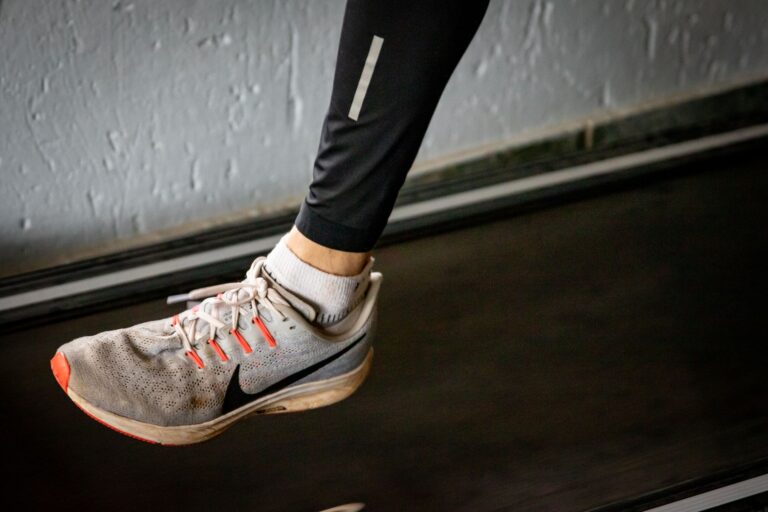
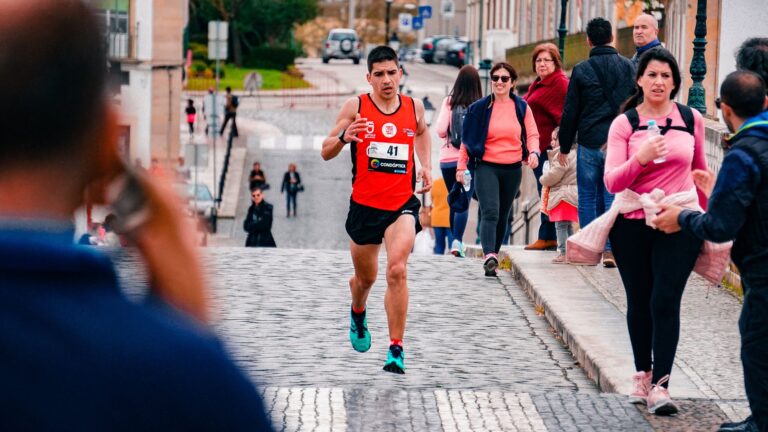
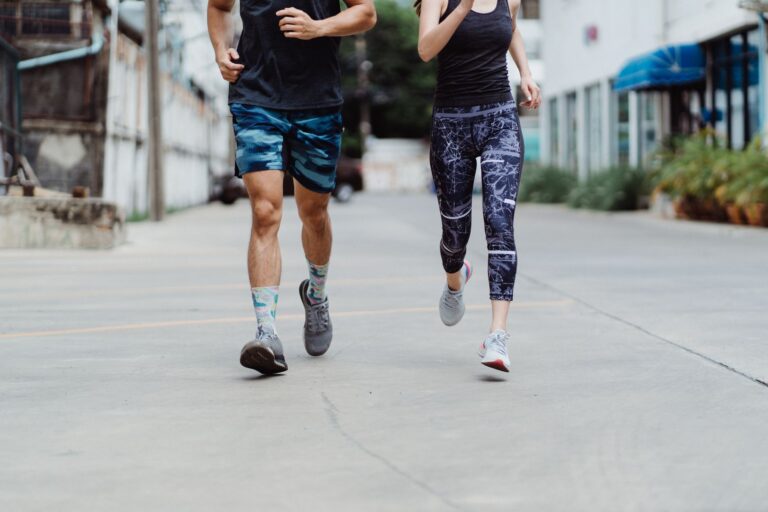
Belt speed fundamentally changes the way running shoes perform indoors, creating a mechanical environment that differs significantly from outdoor running surfaces. Treadmill runners often notice their shoes feel different on the belt””sometimes softer, sometimes less responsive, and occasionally less stable””yet few understand the biomechanical reasons behind these sensations. The interaction between a moving belt and shoe outsole creates unique friction patterns, altered ground contact dynamics, and modified energy return characteristics that affect everything from cushioning performance to injury risk. This topic matters because an estimated 50 million Americans use treadmills regularly, and many train exclusively indoors during winter months or due to safety concerns.
The assumption that any running shoe works equally well on a treadmill as it does on pavement overlooks crucial differences in how the belt surface interacts with shoe technology. Runners who experience unexpected fatigue, decreased performance, or discomfort on treadmills may be dealing with a footwear mismatch rather than a conditioning problem. By the end of this article, readers will understand exactly how treadmill belt mechanics influence shoe cushioning, traction, and stability. The discussion covers the physics of belt-assisted leg turnover, why certain midsole foams respond differently to indoor running, and how to select or adapt footwear for optimal treadmill performance. Whether training for a marathon on a home treadmill or using gym equipment for speed work, this knowledge helps runners make informed decisions about indoor footwear choices.
Table of Contents
- Why Does Belt Speed Affect How Running Shoes Perform on a Treadmill?
- How Treadmill Belt Surfaces Change Running Shoe Cushioning Response
- Running Shoe Traction and Stability at Various Indoor Belt Speeds
- Selecting Running Shoes Optimized for Indoor Treadmill Performance
- Common Problems When Running Shoes Underperform on Treadmill Belts
- Belt Speed Variability and Shoe Performance During Interval Training
- How to Prepare
- How to Apply This
- Expert Tips
- Conclusion
- Frequently Asked Questions
Why Does Belt Speed Affect How Running Shoes Perform on a Treadmill?
The physics of treadmill running creates a fundamentally different mechanical environment compared to overground locomotion. When running outdoors, your foot strikes a stationary surface and your body moves forward through space. On a treadmill, the belt moves backward beneath you while your body remains relatively stationary. This reversal means your shoe doesn’t need to generate the same propulsive forces during toe-off, which changes how midsole foams compress, how outsole rubber grips, and how stability features engage.
Belt speed directly influences ground contact time””the duration your foot remains on the surface during each stride. Research from biomechanics laboratories shows that ground contact time on treadmills is typically 5-8% shorter than outdoor running at equivalent paces. This compressed contact window means cushioning systems have less time to fully compress and rebound, which can make shoes feel firmer or less responsive. Higher belt speeds amplify this effect, as the moving surface essentially assists leg turnover and reduces the loading phase of each stride.
- **Reduced propulsive demand**: The belt’s movement means your muscles don’t work as hard to push off, reducing the energy stored and returned by foam midsoles
- **Altered friction dynamics**: Outsole rubber interacts with the textured belt surface differently than concrete or asphalt, affecting grip patterns and wear
- **Modified heel-to-toe transition**: The belt’s continuous motion can accelerate the gait cycle, changing how rockers and guidance systems function
How Treadmill Belt Surfaces Change Running Shoe Cushioning Response
Treadmill decks and belts are engineered to absorb shock, typically reducing impact forces by 15-40% compared to concrete. This built-in cushioning stacks with your shoe‘s midsole foam, creating a combined softness that can feel dramatically different from outdoor running. A maximally cushioned shoe that feels ideal on roads may become unstable or mushy on a well-cushioned treadmill deck, while a firmer racing flat might finally provide the ground feel it was designed for.
The temperature of treadmill belt surfaces also affects foam performance. Indoor environments maintain consistent temperatures around 68-72 degrees Fahrenheit, which is the optimal performance range for most EVA and TPU-based foams. Outdoor running subjects shoes to temperature extremes””cold makes foams stiffer and less responsive, while heat can make them overly soft. This temperature stability means your shoes will perform more consistently on a treadmill, but that consistent performance may differ from your outdoor experience if you typically run in variable weather.
- **Deck flex patterns vary by machine**: Commercial gym treadmills often have stiffer decks than home units, changing how shoe cushioning performs across different equipment
- **Belt texture affects foam compression**: Smoother belts allow foams to compress more evenly, while textured belts create uneven pressure distribution
- **Foam fatigue occurs differently indoors**: The consistent surface means shoes wear more evenly but may lose responsiveness faster in specific midsole zones
Running Shoe Traction and Stability at Various Indoor Belt Speeds
Outsole traction behaves counterintuitively on treadmills. The rubber-to-belt interface creates a friction coefficient different from any outdoor surface, and this coefficient changes with belt speed. At slower speeds below 6 mph, many runners actually experience too much grip””the shoe sticks slightly to the belt during toe-off, creating a subtle but perceptible drag. At higher speeds above 8 mph, the belt moves fast enough that the shoe spends minimal time in full contact, and traction becomes largely irrelevant.
stability features in running shoes””medial posts, guide rails, and structured heel counters””function differently on the compliant, moving treadmill surface. These features are designed to control excessive pronation by providing firm resistance against inward roll. On a treadmill’s cushioned deck, that resistance partially dissipates into the softer surface, reducing the corrective effect. Runners who rely on stability shoes outdoors may find they need additional support or different footwear for extended treadmill sessions.
- **Worn outsoles grip better on belts**: Paradoxically, slightly worn rubber often provides better belt traction than fresh, glossy outsoles
- **Lateral stability decreases at higher speeds**: The narrow belt width combined with faster leg turnover challenges side-to-side stability features
Selecting Running Shoes Optimized for Indoor Treadmill Performance
Choosing footwear specifically for treadmill running requires reconsidering priorities that guide outdoor shoe selection. Breathability becomes more critical because indoor environments lack the airflow that helps cool feet during outdoor runs. Upper mesh density and ventilation port placement matter more than weather resistance, and many runners find they prefer shoes one width size larger for treadmill use due to increased foot swelling in warm gym environments.
Midsole foam selection should account for the treadmill deck’s contribution to total cushioning. Runners who prefer maximal cushioning outdoors often find moderate cushioning shoes provide better ground feel and stability on treadmills. Conversely, those who favor firm, responsive shoes outdoors might appreciate slightly more cushioning for indoor sessions where the belt’s impact reduction removes some natural proprioceptive feedback. The goal is total system cushioning that matches your preferences, accounting for both shoe and machine contributions.
- **Lighter shoes perform better indoors**: Without weather protection needs or rough surface durability requirements, lightweight trainers shine on treadmills
- **Lower heel-toe drops may feel more natural**: The belt’s movement assistance reduces the need for aggressive rocker geometries
- **Removable insoles allow customization**: The ability to adjust stack height helps fine-tune the feel on different treadmill models
- **Outsole durability matters less**: Belt surfaces create minimal abrasion compared to roads, allowing you to prioritize other features
Common Problems When Running Shoes Underperform on Treadmill Belts
Overheating represents the most frequent complaint when running shoes underperform on treadmill belts. The combination of indoor temperatures, continuous friction between outsole and belt, and lack of airflow can raise in-shoe temperatures by 10-15 degrees Fahrenheit compared to outdoor running. This heat buildup accelerates foot fatigue, increases blister risk, and can degrade foam performance over time. Runners who notice their shoes feel progressively worse during long treadmill sessions are often experiencing heat-related performance degradation.
Unusual wear patterns develop when shoes designed for outdoor use see extensive treadmill mileage. The consistent belt texture creates repetitive stress on identical outsole locations each stride, unlike outdoor running where surface variation distributes wear more evenly. This concentrated wear can affect shoe geometry and cushioning characteristics faster than expected. Many runners report their treadmill-only shoes developing a noticeable lean or unevenness after 200-300 miles, compared to 400-500 miles for the same model used outdoors.
- **Slipping at low speeds often indicates overly smooth outsoles**: New shoes with glossy rubber compound may need a break-in period on belts
- **Arch fatigue may result from insufficient stability**: The compliant surface reduces the effectiveness of structural support features
- **Calf tightness can indicate inadequate heel cushioning**: Without natural terrain variation, repetitive identical impacts stress specific muscle groups
Belt Speed Variability and Shoe Performance During Interval Training
Interval workouts present unique challenges for running shoe performance on treadmills because belt speed changes create rapidly shifting demands on footwear. During acceleration phases, the belt speed increases while your foot is still adapting to the previous pace, creating a brief mismatch between shoe function and surface speed. High-quality treadmills transition smoothly, but even gradual changes require your shoe’s cushioning and stability systems to adjust continuously.
The stop-and-go nature of intervals also affects foam recovery between efforts. During rest periods or slow jogs, midsole foams have time to decompress and return to baseline responsiveness. During continuous faster segments, compressed foams may not fully recover between strides, resulting in progressively firmer feel as the interval continues. Runners doing extensive speed work on treadmills should consider shoes with resilient foam compounds that maintain consistent performance even under repetitive high-load conditions.
How to Prepare
- **Clean outsoles before each session**: Dust and debris from gym floors accumulate on rubber outsoles and create an inconsistent friction layer on the belt. Wipe soles with a damp cloth to remove particles and restore consistent grip patterns.
- **Allow shoes to reach room temperature**: If shoes were stored in a cold car or garage, the midsole foam will be stiffer than optimal. Give footwear 15-20 minutes at room temperature before running to ensure foams respond as designed.
- **Check lacing tension for indoor conditions**: Feet swell more during indoor running due to higher temperatures and humidity. Pre-tie laces slightly looser than outdoor settings, or use elastic lace locks that accommodate volume changes during the run.
- **Inspect the treadmill belt condition**: Worn, cracked, or overly smooth belts change how shoes interact with the surface. Note the belt condition and adjust expectations””older belts typically provide less consistent friction and may require shoes with more aggressive tread patterns.
- **Rotate between multiple pairs for frequent treadmill users**: Having two or three pairs in rotation allows foam compounds adequate recovery time between sessions and extends the effective life of each shoe. Label pairs with treadmill-only designations if maintaining separate indoor and outdoor footwear.
How to Apply This
- **Start treadmill sessions at slower speeds to assess shoe feel**: Begin each workout with a 3-5 minute warm-up at reduced pace, paying attention to cushioning sensation, stability, and any unusual friction patterns. This baseline assessment helps identify potential issues before increasing intensity.
- **Monitor foot temperature and adjust as needed**: If feet feel excessively hot during longer sessions, consider taking brief walking breaks to allow heat dissipation, or switch to more breathable footwear for future sessions. Excessive heat signals a mismatch between shoe ventilation and indoor running demands.
- **Adjust running form slightly for belt mechanics**: Allow the belt to assist leg turnover rather than fighting against it. A slightly higher cadence with shorter ground contact time often feels more natural on treadmills and reduces the altered sensation many runners experience in their usual shoes.
- **Track shoe mileage separately for indoor and outdoor use**: Maintain records distinguishing treadmill miles from road or trail miles. This data helps identify when indoor-specific wear patterns warrant replacement and informs future footwear decisions for different running environments.
Expert Tips
- **Match total cushioning to preference, not shoe cushioning alone**: Calculate the combined effect of your shoe’s midsole and the treadmill’s deck cushioning. A “firm” shoe on a cushioned commercial treadmill may provide similar total softness to a “plush” shoe on concrete.
- **Consider breathable upper materials over waterproof options**: Waterproof membranes trap heat during indoor running and provide no benefit on a dry treadmill belt. Prioritize engineered mesh uppers with large ventilation zones for treadmill-specific footwear.
- **Test shoes at your typical treadmill pace, not walking speed**: Shoe performance characteristics emerge at running speeds where impact forces and contact times are representative of actual training. In-store walking tests provide limited insight into treadmill running performance.
- **Replace treadmill shoes based on feel rather than visual wear**: The belt’s gentle surface creates minimal visible outsole wear even when midsole foams have degraded significantly. Trust sensation and performance markers over appearance when assessing shoe condition.
- **Keep a dedicated pair for treadmill use if running indoors frequently**: The different wear patterns and performance demands of treadmill running justify maintaining separate footwear rather than using one pair for all surfaces. This approach optimizes performance and extends the useful life of both indoor and outdoor shoes.
Conclusion
Understanding how belt speed changes running shoe performance transforms treadmill training from a frustrating compromise into an intentional practice with purpose-matched equipment. The mechanical differences between indoor and outdoor running””altered ground contact times, modified friction patterns, cumulative cushioning effects, and temperature-stable foam behavior””all influence how footwear performs beneath you. Recognizing these factors empowers runners to select appropriate shoes, adjust expectations, and optimize their indoor training experience.
The practical takeaway is straightforward: treadmill running isn’t simply outdoor running performed inside. It’s a distinct activity with different mechanical demands that merit thoughtful footwear consideration. Runners who apply this understanding””choosing appropriately cushioned shoes, prioritizing breathability, maintaining equipment awareness, and rotating footwear””will find their indoor sessions more comfortable and effective. Approach your next treadmill workout with this knowledge, and the improved feel and performance will be immediately apparent.
Frequently Asked Questions
How long does it typically take to see results?
Results vary depending on individual circumstances, but most people begin to see meaningful progress within 4-8 weeks of consistent effort. Patience and persistence are key factors in achieving lasting outcomes.
Is this approach suitable for beginners?
Yes, this approach works well for beginners when implemented gradually. Starting with the fundamentals and building up over time leads to better long-term results than trying to do everything at once.
What are the most common mistakes to avoid?
The most common mistakes include rushing the process, skipping foundational steps, and failing to track progress. Taking a methodical approach and learning from both successes and setbacks leads to better outcomes.
How can I measure my progress effectively?
Set specific, measurable goals at the outset and track relevant metrics regularly. Keep a journal or log to document your journey, and periodically review your progress against your initial objectives.
When should I seek professional help?
Consider consulting a professional if you encounter persistent challenges, need specialized expertise, or want to accelerate your progress. Professional guidance can provide valuable insights and help you avoid costly mistakes.
What resources do you recommend for further learning?
Look for reputable sources in the field, including industry publications, expert blogs, and educational courses. Joining communities of practitioners can also provide valuable peer support and knowledge sharing.