
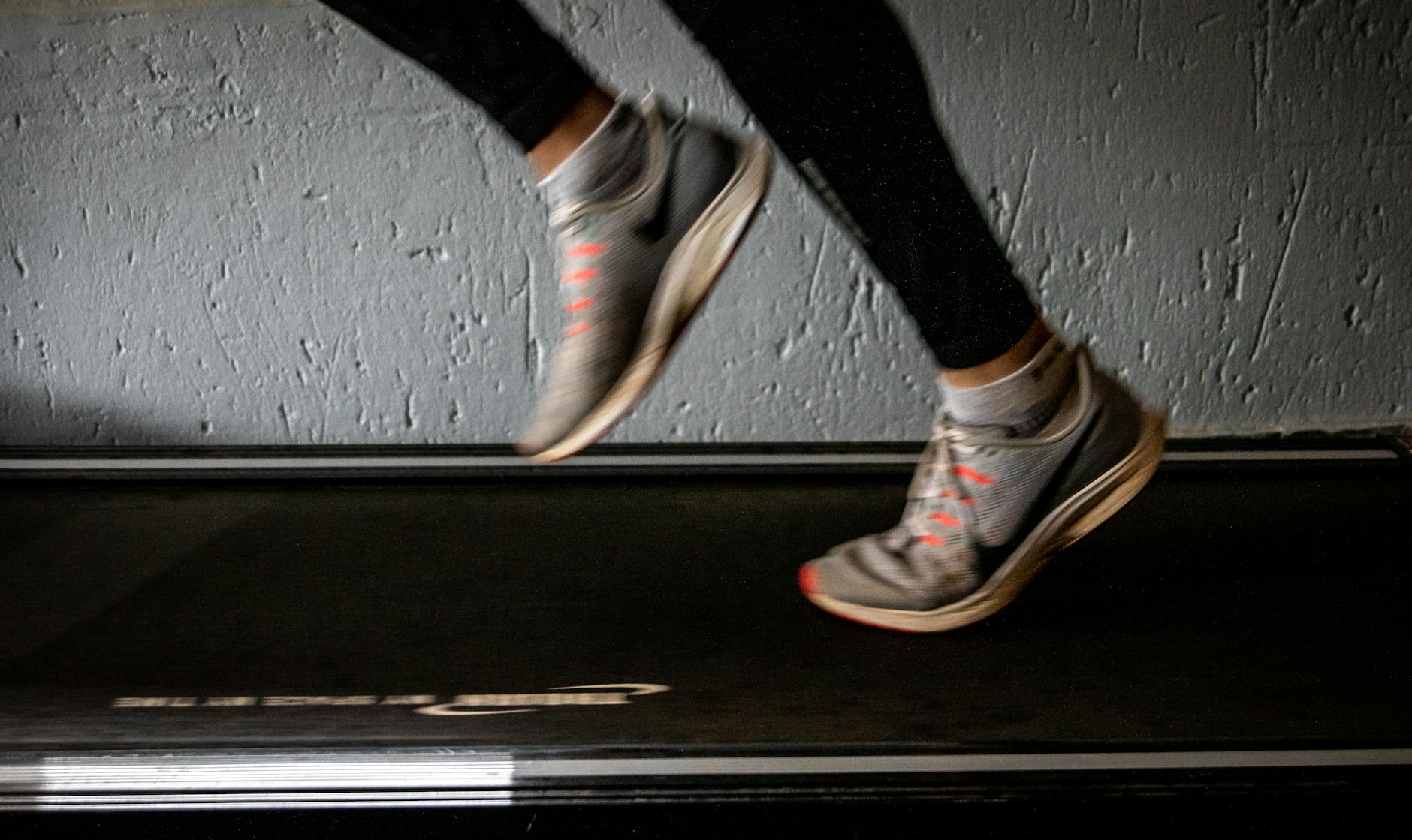
The debate between road shoes and treadmill shoes becomes genuinely consequential once your runs extend beyond the 5-mile threshold, where small differences in cushioning, stability, and breathability compound into noticeable performance and comfort gaps. Most runners give little thought to surface-specific footwear during shorter sessions, but as weekly mileage increases and training blocks demand more from your body, the right shoe choice can mean the difference between finishing strong and limping through your final miles. Running surfaces create distinct mechanical demands on footwear.
Outdoor pavement delivers unpredictable terrain variations, weather exposure, and harder impact forces, while treadmill belts provide consistent cushioning, controlled environments, and slightly different biomechanical patterns. Understanding how these differences affect shoe performance helps runners make informed decisions about their training gear, potentially reducing injury risk and improving overall running economy during longer efforts. By the end of this article, you will understand the specific ways road and treadmill running differ mechanically, which shoe features matter most for each surface after the 5-mile mark, and how to evaluate your current footwear against your actual training needs. Whether you split time between outdoor routes and gym sessions or dedicate yourself primarily to one surface, this guide provides the technical foundation for choosing shoes that support sustainable, comfortable running.
Table of Contents
- Do Road Shoes and Treadmill Shoes Actually Differ After 5 Miles of Running?
- Understanding Surface Impact Forces on Running Shoes
- Breathability and Temperature Management During Extended Runs
- Selecting the Right Cushioning for Road vs Treadmill Running After 5 Miles
- Common Problems When Using Road Shoes on Treadmills (and Vice Versa)
- When One Shoe Can Serve Both Surfaces Effectively
- How to Prepare
- How to Apply This
- Expert Tips
- Conclusion
- Frequently Asked Questions
Do Road Shoes and Treadmill Shoes Actually Differ After 5 Miles of Running?
The short answer is yes, but perhaps not in the ways most runners expect. After approximately 5 miles, cumulative factors begin manifesting that shorter runs simply do not reveal. Heat buildup inside the shoe accelerates, cushioning compression becomes more pronounced, and minor fit issues that felt negligible at mile one transform into significant irritants.
Road shoes typically feature more robust outsole compounds designed to resist abrasion from asphalt and concrete, while shoes optimized for treadmill use often prioritize lighter weight and breathability since belt surfaces generate less wear on rubber compounds. Biomechanical studies show that treadmill running produces slightly shorter stride lengths and higher cadences compared to overground running at equivalent speeds. This difference affects how shoes absorb and return energy over thousands of footstrikes. Road shoes engineered for varied terrain often include stability features addressing lateral movement and uneven surfaces, features that become somewhat redundant on the uniform treadmill belt but add weight that compounds fatigue during extended indoor sessions.
- **Cushioning degradation patterns**: Road shoe midsoles compress differently under outdoor impact forces versus the partially forgiving treadmill belt, affecting how cushioning feels after mile 5
- **Heat accumulation rates**: Enclosed gym environments elevate shoe temperatures faster than outdoor running, making treadmill-specific ventilation designs more valuable during longer efforts
- **Outsole wear considerations**: Premium rubber compounds that justify road shoe prices offer minimal advantage on non-abrasive belt surfaces, suggesting potential cost savings for dedicated treadmill runners

Understanding Surface Impact Forces on Running Shoes
Ground reaction forces during running typically range from 2.5 to 3 times body weight with each footstrike, but the character of these forces varies substantially between surfaces. Concrete and asphalt provide virtually no give upon impact, requiring shoe midsoles to absorb nearly all shock. Treadmill belts, conversely, deflect slightly under load, with most quality commercial treadmills offering 15-40% impact reduction compared to outdoor pavement.
This mechanical difference means road shoes generally require denser, more resilient foam compounds to maintain cushioning integrity over distance. Research from biomechanics laboratories indicates that runners unconsciously adjust their gait patterns based on surface compliance. On treadmills, many runners land with slightly less knee flexion and reduced ankle plantarflexion at contact, subtle adaptations that alter how forces distribute through the shoe structure. After 5 miles, these small differences in loading patterns become relevant because they affect which shoe components experience the most stress and fatigue.
- **Road impact characteristics**: Harder surfaces demand greater midsole density to prevent complete compression, but this increases overall shoe weight and can reduce energy return percentages
- **Treadmill belt compliance**: The inherent cushioning of quality treadmill decks allows runners to use lighter, softer shoes without bottoming out during heel strikes
- **Cumulative loading effects**: Over a 5-mile run, a 150-pound runner generates approximately 1.5 million pounds of cumulative ground reaction force, making small per-step differences meaningful over distance
Breathability and Temperature Management During Extended Runs
Temperature regulation inside running shoes receives insufficient attention despite its direct impact on comfort, blister formation, and overall foot health during longer efforts. Studies measuring in-shoe temperatures find that enclosed athletic footwear can reach 95-100°F during moderate-intensity running, with gym environments exacerbating heat buildup due to reduced airflow around the feet. Road shoes balanced for weather protection often compromise maximal ventilation, while treadmill-focused designs can prioritize mesh upper construction without concerns about puddle protection or debris intrusion.
After 5 miles, elevated foot temperatures soften skin tissue and increase friction coefficients between feet and sock materials. This combination creates ideal conditions for blister development, particularly around the heel and forefoot where shear forces concentrate. Runners who complete most mileage indoors benefit from shoes featuring open-weave mesh uppers and minimal overlay construction, designs that might prove impractical for outdoor use in variable weather conditions.
- **Ventilation design tradeoffs**: Road shoes often include welded overlays and denser mesh patterns for durability and weather resistance, reducing airflow compared to treadmill-optimized designs
- **Moisture management**: Both surfaces generate significant foot perspiration, but outdoor air movement assists evaporation while indoor conditions trap humidity inside the shoe

Selecting the Right Cushioning for Road vs Treadmill Running After 5 Miles
Cushioning selection requires understanding that midsole materials respond differently to various impact conditions and temperatures. Ethylene-vinyl acetate (EVA) foams commonly used in running shoes soften as temperatures rise, meaning the same shoe feels different on a hot treadmill versus a cool outdoor morning. Newer foam technologies like Nike’s ZoomX, Adidas’ Lightstrike Pro, and Saucony’s PWRRUN PB offer more consistent performance across temperature ranges but command premium prices.
For road running beyond 5 miles, most runners benefit from moderate-to-high stack heights (28-36mm) with responsive foam compounds that maintain structure after repeated loading cycles. The unforgiving nature of pavement demands shoes that protect without becoming mushy. Treadmill runners can often succeed with lower stack heights or lighter foam constructions because the belt absorbs some impact, allowing shoe weight savings that reduce fatigue during extended sessions.
- **Stack height considerations**: Higher stacks provide more material between foot and ground but increase instability risks; road shoes often balance this with wider platforms
- **Foam durability ratings**: Check manufacturer specifications for foam resilience after loading cycles; road shoes should maintain at least 80% of original cushioning after 300 miles
- **Temperature sensitivity**: EVA-based foams may feel 15-20% softer in warm gym environments versus outdoor cold, affecting how shoes perform through longer runs
Common Problems When Using Road Shoes on Treadmills (and Vice Versa)
Cross-surface shoe usage creates several predictable issues that become pronounced during longer efforts. Road shoes worn on treadmills often feel unnecessarily heavy and hot, with aggressive outsole patterns designed for wet pavement grip providing no benefit on dry belt surfaces. The extra ounces per foot multiply across thousands of strides, increasing energy expenditure and accelerating fatigue during extended treadmill sessions.
Conversely, lightweight treadmill-oriented shoes taken outdoors face accelerated wear from abrasive pavement surfaces. Softer rubber compounds optimized for treadmill traction may show significant deterioration after just 50-100 miles of road use, dramatically shortening effective shoe lifespan. Additionally, minimal designs lacking robust heel counters or adequate arch support can prove insufficiently stable on uneven outdoor terrain, particularly as fatigue accumulates beyond the 5-mile mark and form naturally deteriorates.
- **Weight penalty calculations**: Even 2 ounces of additional shoe weight per foot increases oxygen consumption by approximately 1% during running, a meaningful efficiency loss during longer efforts
- **Outsole durability mismatches**: Carbon rubber outsoles designed for road durability are overbuilt for treadmill use; blown rubber compounds adequate for treadmills wear rapidly on pavement

When One Shoe Can Serve Both Surfaces Effectively
Not every runner needs or benefits from surface-specific footwear. Those running moderate weekly mileage split relatively evenly between surfaces may find that versatile trainers adequately serve both environments. The ideal crossover shoe features balanced cushioning sufficient for pavement impact, breathable construction that manages treadmill heat buildup, and durable outsole rubber that justifies the investment without being unnecessarily heavy.
Several shoe models occupy this middle ground effectively. Look for trainers with 25-32mm stack heights, engineered mesh uppers providing ventilation without sacrificing structure, and outsole designs emphasizing forefoot and heel durability while keeping midfoot rubber minimal. Runners averaging under 30 miles weekly with approximately equal indoor-outdoor splits represent the best candidates for this single-shoe approach.
How to Prepare
- **Track your surface distribution over four weeks**: Log whether each run occurs on road, trail, or treadmill, then calculate percentages. Runners spending less than 30% of their mileage on one surface rarely need dedicated shoes for that environment.
- **Assess your current shoe performance at mile 5 and beyond**: During your next long run on each surface, consciously evaluate cushioning feel, temperature comfort, and any developing discomfort after passing the 5-mile mark. Note specific issues rather than vague impressions.
- **Measure your in-shoe temperature response**: After completing a 5-mile treadmill run, immediately remove your shoe and note how hot your foot feels. Persistent overheating suggests need for better-ventilated indoor footwear.
- **Evaluate your outsole wear patterns**: Examine current shoes for wear concentrated in specific zones. Rapid outer-heel or forefoot wear on road shoes may indicate need for more durable rubber compounds; minimal wear from treadmill use suggests you can opt for lighter constructions.
- **Consider your injury history and biomechanics**: Runners with histories of stress fractures or plantar issues generally benefit from maximizing cushioning on hard road surfaces regardless of distance, while those with stable mechanics have more footwear flexibility.
How to Apply This
- **Match shoe cushioning to your primary surface**: If more than 60% of your mileage occurs on one surface type, optimize shoe selection for that environment. Secondary surface runs can use the same shoe with acceptable compromise.
- **Rotate based on run length rather than surface alone**: Consider using your lighter treadmill-oriented shoes for shorter outdoor runs under 5 miles where cushioning degradation remains minimal, reserving more protective road shoes for longer efforts.
- **Test new shoes progressively on their intended surface**: When purchasing surface-specific footwear, complete at least three runs under 4 miles before attempting your first 5+ mile effort. This allows identifying fit issues before fatigue complicates assessment.
- **Adjust rotation seasonally**: During summer months when outdoor temperatures elevate road shoe temperatures closer to indoor levels, the ventilation advantage of treadmill shoes diminishes. Winter running may benefit from road shoes with less mesh and more weather protection.
Expert Tips
- **Weigh your shoes wet and dry**: Running shoes absorb sweat during longer efforts; weigh your shoes before and after a 5-mile run to understand actual weight differences during use, which often exceeds manufacturer specs by 1-3 ounces.
- **Break in road shoes on treadmills first**: New road shoes often have stiff midsoles that soften after initial use. Completing your first 20-30 miles on forgiving treadmill surfaces allows materials to adapt without the additional stress of hard pavement.
- **Replace shoes based on surface-specific mileage**: Track road and treadmill miles separately on each shoe. Cushioning degradation occurs faster on pavement; shoes used primarily on treadmills may maintain effective cushioning 50-100 miles longer than their road-dominant counterparts.
- **Consider separate insoles for each surface type**: Rather than purchasing entirely different shoes, experiment with cushioned insoles for road use and thinner, cooler insoles for treadmill sessions within the same shoe chassis.
- **Trust post-mile-5 discomfort signals**: If specific shoe issues consistently appear only after 5 miles on one surface type, that feedback indicates genuine surface-specific mismatches rather than general shoe problems.
Conclusion
Understanding the distinctions between road shoes and treadmill shoes matters most for runners who have progressed beyond casual jogging into consistent, structured training. The 5-mile threshold represents a meaningful inflection point where shoe characteristics that seem irrelevant during shorter runs begin affecting performance, comfort, and potentially injury risk. Road surfaces demand more protective cushioning and durable outsoles, while treadmill running rewards lighter weight and superior ventilation.
The practical application of this knowledge depends on individual training patterns, physiological responses, and budget constraints. Runners splitting significant mileage between surfaces benefit from maintaining separate shoes optimized for each environment, while those primarily training in one setting can select accordingly without compromise. Evaluate your current footwear honestly against the criteria discussed here, track your actual surface distribution, and make adjustments that support sustainable, comfortable running as your mileage and ambitions grow.
Frequently Asked Questions
How long does it typically take to see results?
Results vary depending on individual circumstances, but most people begin to see meaningful progress within 4-8 weeks of consistent effort. Patience and persistence are key factors in achieving lasting outcomes.
Is this approach suitable for beginners?
Yes, this approach works well for beginners when implemented gradually. Starting with the fundamentals and building up over time leads to better long-term results than trying to do everything at once.
What are the most common mistakes to avoid?
The most common mistakes include rushing the process, skipping foundational steps, and failing to track progress. Taking a methodical approach and learning from both successes and setbacks leads to better outcomes.
How can I measure my progress effectively?
Set specific, measurable goals at the outset and track relevant metrics regularly. Keep a journal or log to document your journey, and periodically review your progress against your initial objectives.
When should I seek professional help?
Consider consulting a professional if you encounter persistent challenges, need specialized expertise, or want to accelerate your progress. Professional guidance can provide valuable insights and help you avoid costly mistakes.
What resources do you recommend for further learning?
Look for reputable sources in the field, including industry publications, expert blogs, and educational courses. Joining communities of practitioners can also provide valuable peer support and knowledge sharing.
1 thought on “Road Shoes vs Treadmill Shoes What Actually Matters After 5 Miles”
Comments are closed.