Closing your Move Ring on your Apple Watch feels like an achievement—and it is, to a degree. But here’s the uncomfortable truth: hitting 600 calories of activity daily doesn’t guarantee cardiovascular health. A 55-year-old who closes their Move Ring every single day by power-walking might still have elevated blood pressure, high cholesterol, or hidden arterial plaque that would be revealed in a stress test. The Move Ring measures energy expenditure, not the complex physiological adaptations that actually protect your heart. It’s a useful data point, but it’s akin to checking that your car’s mileage is high while ignoring the engine’s health—activity volume and heart health are related but fundamentally different.
The confusion arises because activity *is* important for cardiovascular health. The American Heart Association recommends 150 minutes of moderate-intensity aerobic activity weekly, and the Move Ring is designed to help you track this. But the ring captures only one dimension of a much larger picture. Your heart’s actual health depends on multiple factors including your resting heart rate, blood pressure, cholesterol levels, heart rate variability, sleep quality, stress response, and the intensity distribution of your exercise. Someone can easily close their Move Ring through leisurely movement while missing the cardiovascular adaptations that come from more demanding exercise.
Table of Contents
- Why Move Ring Metrics Don’t Capture Cardiovascular Adaptation
- The Hidden Factors That Actually Determine Heart Health
- Heart Rate Variability and the Overlooked Markers of Cardiac Health
- Building a Comprehensive Heart Health Strategy Beyond the Ring
- The Dangers of False Security from Hitting Your Ring Goal
- Sleep, Stress, and the Nervous System Connection
- The Role of Diet in Cardiovascular Health Beyond Activity
- The Future of Personal Health Monitoring
- Conclusion
Why Move Ring Metrics Don’t Capture Cardiovascular Adaptation
The Move Ring, which counts Active Calories burned, is based on metabolic activity rather than cardiovascular demand. This is a critical distinction. Your body burns calories through various pathways—muscle movement, metabolic processes, and inefficient movement patterns—but burning calories doesn’t necessarily mean your heart is getting stronger or your cardiovascular system is adapting. You could accumulate 600 calories of Active Calories through gentle, continuous movement without elevating your heart rate to a zone where meaningful cardiovascular adaptation occurs. Consider an example: two people both close their Move Ring.
Person A walks at a comfortable pace for 90 minutes, staying in their aerobic Zone 2 (roughly 50-70% of max heart rate), burning 600 calories with minimal strain. Person B does 20 minutes of interval training, alternating between intense sprints and recovery periods, also burning 600 calories but pushing into Zone 4 (80-90% max heart rate) repeatedly. Person B’s heart has experienced significant stress that triggers adaptation—improved cardiac output, better oxygen utilization, and enhanced endothelial function. Person A’s heart, while exercised, experienced no such stimulus. Both closed their Move Ring; only one achieved meaningful cardiovascular conditioning.

The Hidden Factors That Actually Determine Heart Health
Your cardiovascular system’s true health lives in metrics the Move Ring doesn’t measure at all. Resting heart rate is one: a champion athlete might have a resting heart rate of 45 beats per minute, while someone closing their Move Ring daily might rest at 72 bpm—suggesting their heart is less efficient at the work it’s supposed to do. Blood pressure is another major factor entirely absent from the ring. You could exercise daily and still have Stage 2 hypertension (systolic pressure above 140), which accelerates arterial aging and increases stroke risk regardless of your activity level. Cholesterol profiles—total cholesterol, LDL, HDL, and triglycerides—are entirely invisible to activity trackers, yet they’re central to predicting heart disease risk.
One particularly concerning limitation is that the Move Ring can’t detect silent ischemia or coronary artery disease. People with significant arterial blockages sometimes have excellent exercise capacity and can close their Move Rings with ease until they suffer a heart attack. This is why cardiac events sometimes strike people with seemingly healthy activity levels. The Move Ring optimizes for visible behavior (movement and calorie burn) while missing the underlying plumbing—the actual state of your coronary arteries and how blood flows through them. A person might feel they’ve done everything right by hitting their Move Ring goal, only to learn during an imaging study that they have 70% blockage in a major artery.
Heart Rate Variability and the Overlooked Markers of Cardiac Health
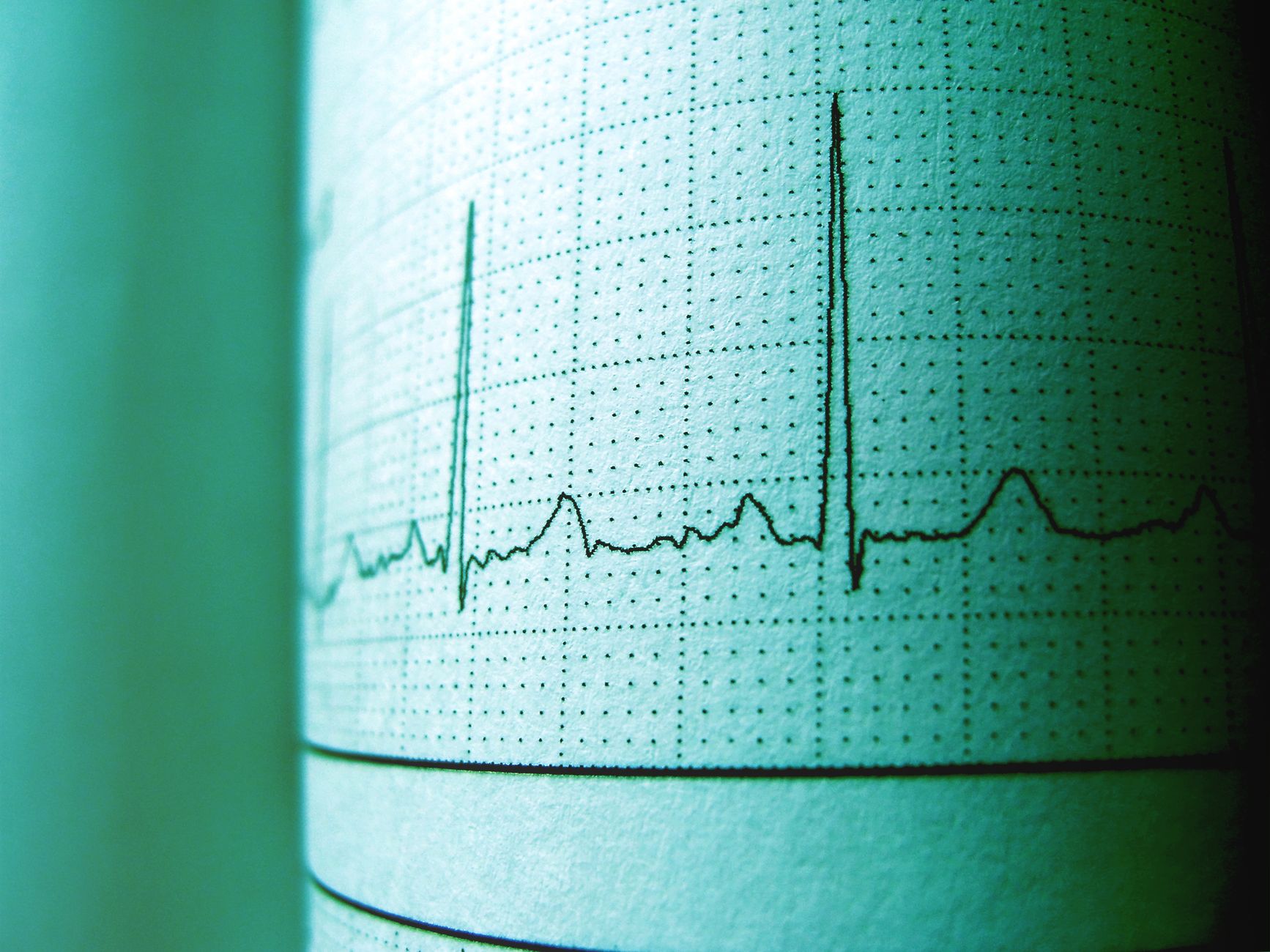
Heart rate variability (HRV)—the variation in time between heartbeats—is an underappreciated marker of cardiovascular and nervous system health that activity rings ignore almost entirely. HRV reflects the balance between your sympathetic nervous system (fight-or-flight) and parasympathetic nervous system (rest-and-digest). A healthy heart should show significant beat-to-beat variation, indicating the body’s ability to adapt to different demands. Low HRV is associated with increased heart disease risk, depression, and poor recovery, while high HRV suggests robust cardiovascular function and stress resilience.
Here’s a practical example of why this matters: two runners have nearly identical Move Rings and similar weekly mileage, but one is training intensely with insufficient recovery while the other balances hard workouts with genuine rest days. The overtrained runner’s HRV will be chronically suppressed, signaling a nervous system that can’t downshift. Meanwhile, their Move Ring shows they’re doing “everything right.” Over months, this imbalance increases heart disease risk even though the ring suggests excellent habits. Continuous heart rate data matters far less than HRV and recovery metrics, yet the Move Ring emphasizes the former and largely ignores the latter.
Building a Comprehensive Heart Health Strategy Beyond the Ring
If closing your Move Ring isn’t enough, what should actually guide cardiovascular health efforts? The answer involves periodic objective testing combined with a broader lifestyle approach. Start with a baseline: get your blood pressure checked annually, understand your cholesterol profile, and consider a stress test or coronary calcium scan if you’re over 45 or have risk factors. These tests reveal what the ring cannot—the actual state of your cardiovascular system. Then add intensity to your training. Moderate-intensity steady exercise (like comfortable jogging) is valuable, but your heart also needs occasional exposure to higher intensities.
High-Intensity Interval Training (HIIT) or tempo work creates the stimulus your cardiovascular system needs to adapt. Practically speaking, this might look like this: instead of aiming for a consistent Move Ring goal every day, aim for a weekly structure that includes one hard effort (interval training), one tempo workout, several steady aerobic sessions, and at least one complete rest day. This variation creates cardiovascular adaptation more effectively than uniform daily activity. You might actually close your Move Ring on fewer days but achieve better cardiovascular outcomes. Additionally, prioritize recovery metrics over activity metrics—aim for seven to nine hours of sleep, manage stress through practices like meditation or deep breathing, and monitor resting heart rate trends rather than treating it as incidental data. A dropping resting heart rate over months is a genuine sign of cardiovascular improvement, regardless of your Move Ring consistency.
The Dangers of False Security from Hitting Your Ring Goal
One of the most insidious problems with relying on the Move Ring is that it creates false confidence. People who close their ring daily often believe they’re protected from heart disease, sometimes even skipping necessary health screenings because they feel they’re “doing enough.” This false sense of security can delay diagnosis of underlying cardiovascular problems. Someone might think, “I close my Move Ring five days a week and walk on weekends—I’m good,” and miss warning signs like new chest tightness during exertion or unexplained shortness of breath that would warrant medical evaluation. There’s also the risk of misattributing correlation.
If someone closes their Move Ring consistently and has a heart attack, they might conclude that activity tracking failed them, when in reality the problem was that activity alone—without addressing blood pressure, cholesterol, sleep debt, or chronic stress—was never sufficient. The ring becomes a proxy for health when it’s actually just one tool among many. Additionally, chasing the ring goal can encourage the wrong kind of activity. Someone might hit their Move Ring target through nervous pacing or excessive low-intensity activity rather than through structured, effective exercise that genuinely improves heart function.

Sleep, Stress, and the Nervous System Connection
Your heart doesn’t exist in isolation—it’s deeply connected to your sleep quality and stress response. The Move Ring captures none of this. People who close their Move Ring while chronically sleep-deprived are creating a paradox: they’re stressing their body with activity while denying it the recovery time it needs. Poor sleep increases resting heart rate, impairs the parasympathetic recovery that should happen at night, and elevates cortisol levels, all of which age the cardiovascular system prematurely. Similarly, chronic psychological stress—which might accompany a demanding job or life situation—activates the sympathetic nervous system in ways that damage blood vessels over time, independent of physical activity.
A concrete scenario: a busy professional close their Move Ring daily by squeezing in short workouts but sleeps five or six hours nightly and carries significant work stress. Their body is locked in a sympathetic overdrive state, with elevated cortisol and high baseline inflammation, despite the activity. Someone with a more modest Move Ring who sleeps eight hours and practices meditation might have far superior cardiovascular health. This is why some research suggests that adding sleep and stress management to an exercise program produces better cardiovascular outcomes than increasing exercise alone. The Move Ring cannot distinguish between this healthy person and the exhausted, stressed one—it only sees the activity.
The Role of Diet in Cardiovascular Health Beyond Activity
The Move Ring doesn’t track nutrition at all, yet what you eat directly impacts your arteries, blood vessels, and heart function. A person could close their Move Ring consistently while consuming a diet high in processed foods, added sugars, and poor-quality fats—all of which promote arterial inflammation and atherosclerosis. Conversely, someone with a modest Move Ring who follows a Mediterranean diet high in fiber, omega-3 fatty acids, and antioxidants will have far better cardiovascular outcomes.
For example, the famous Seven Countries Study showed that populations with similar activity levels had dramatically different heart disease rates based on their diets. Greek populations with high activity but also high saturated fat intake had worse outcomes than populations combining moderate activity with whole-food diets. This demonstrates that the Move Ring—which sees only the activity side of the equation—misses half the picture. Managing cholesterol through diet, reducing sodium intake to normalize blood pressure, and consuming enough fiber to support endothelial health all matter enormously for your heart, and none of it shows up in your Move Ring data.
The Future of Personal Health Monitoring
The wearable technology landscape is evolving beyond simple activity tracking. Future devices are likely to integrate continuous blood pressure monitoring, improved HRV analysis, and even non-invasive measures of arterial stiffness or blood glucose stability—all factors that relate to cardiovascular health but aren’t currently captured in standard activity rings. Some smartwatches can now detect irregular heart rhythms, which is genuinely useful. But even with these improvements, no watch will ever replace the need for periodic clinical assessment—blood work, imaging, and conversations with healthcare providers who know your full medical picture. The goal shouldn’t be to ditch your activity tracking entirely.
The Move Ring, combined with broader health data and practices, can be motivating and valuable. Instead, the goal should be to see it accurately: as one small piece of a much larger puzzle. Your heart’s health is determined by the composite of your genetics, sleep quality, stress management, diet, the intensity and structure of your exercise, cardiovascular testing results, and sometimes medications that manage risk factors. The Move Ring can help you track one factor—whether you’re accumulating enough daily movement. But closing that ring is neither necessary nor sufficient for genuine cardiovascular health.
Conclusion
Closing your Move Ring is worth doing, but it’s not a substitute for actual cardiovascular fitness or heart health. The ring measures activity volume, a factor that contributes to heart health but hardly determines it. Meanwhile, critical determinants of cardiovascular health—blood pressure, cholesterol levels, heart rate variability, sleep quality, stress management, diet, and arterial function—remain invisible to the tracker. People have suffered heart attacks while maintaining perfect Move Ring streaks, and others have excellent cardiovascular health despite modest activity levels, because the ring cannot see the factors that matter most.
To genuinely protect your heart, start by getting clinical tests done: know your blood pressure, cholesterol profile, and baseline cardiovascular fitness. Then use your Move Ring as motivation and a tool, but structure your activity intelligently—include both steady aerobic work and occasional higher-intensity efforts—while also prioritizing sleep, managing stress, eating well, and monitoring how you *feel* during exercise. Check in with your cardiovascular health regularly through checkups and testing, not just through app notifications. Your heart is too important to optimize for a ring.