I combine running with weights by treating them as complementary training modalities rather than competing priorities. My approach involves maintaining 3-4 easy running days per week while doing structured strength sessions twice weekly, with the key being proper recovery and caloric intake to fuel both. For example, I run Monday, Wednesday, Friday, and Saturday mornings (mostly 5-8 miles at conversational pace), then hit the weights on Tuesday and Thursday afternoons, giving my body time to adapt to each stimulus without excessive fatigue. The bigger total I’ve seen comes from the way these two sports interact. Running builds aerobic capacity and work capacity, which allows me to handle more volume in the gym without as much fatigue. Weights provide the muscular tension and mechanical damage that drives growth and strength.
When I was running only, I was lean but relatively weak. When I was lifting only, my cardiovascular fitness suffered. Together, they’ve pushed my total—meaning overall strength gains while maintaining the lean, functional physique that running encourages. The challenge is that these adaptations compete for resources. Your body can’t adapt to high running volume and serious strength gains simultaneously at the same pace it would if you focused on just one. But that’s exactly why the combination works: it forces intelligent training decisions and prevents the imbalances that plague specialists.
Table of Contents
- Why Running and Weights Actually Complement Each Other
- The Energy Balance Reality—What Actually Limits Growth
- Programming Structure—How to Organize Your Week
- The Practical Challenge of Time and Logistics
- The Injury Risk Nobody Plans For
- Nutrition and Recovery Specifics
- Long-Term Development and What This Builds Over Time
- Conclusion
- Frequently Asked Questions
Why Running and Weights Actually Complement Each Other
running improves your work capacity—the amount of training your body can tolerate and recover from. A runner’s aerobic base means you handle intense strength sessions better because your cardiovascular system is already conditioned. Your heart works more efficiently, oxygen delivery improves, and metabolic waste clears faster from your muscles. This means you can do more reps, more sets, and recover between efforts more quickly during a weightlifting session. Conversely, weights prevent the muscle loss that endurance training alone can cause. Runners are notorious for losing muscle mass because the training stimulus and caloric demands of distance running favor lean, light athletes.
Adding strength work signals your body to preserve and build muscle despite the metabolic demands of running. I noticed this directly: my thighs got noticeably bigger after I added serious squats and deadlifts to my routine, even though I was running the same volume. The hormonal environment matters too. Running stimulates aerobic adaptations through increased mitochondrial density and capillary growth. Weights trigger anabolic hormones and mechanical tension that builds muscle. If you only run, you optimize for one type of adaptation. When you do both, you’re sending multiple growth signals to your system, which is why the combination often produces a more robust physique—stronger and leaner simultaneously.
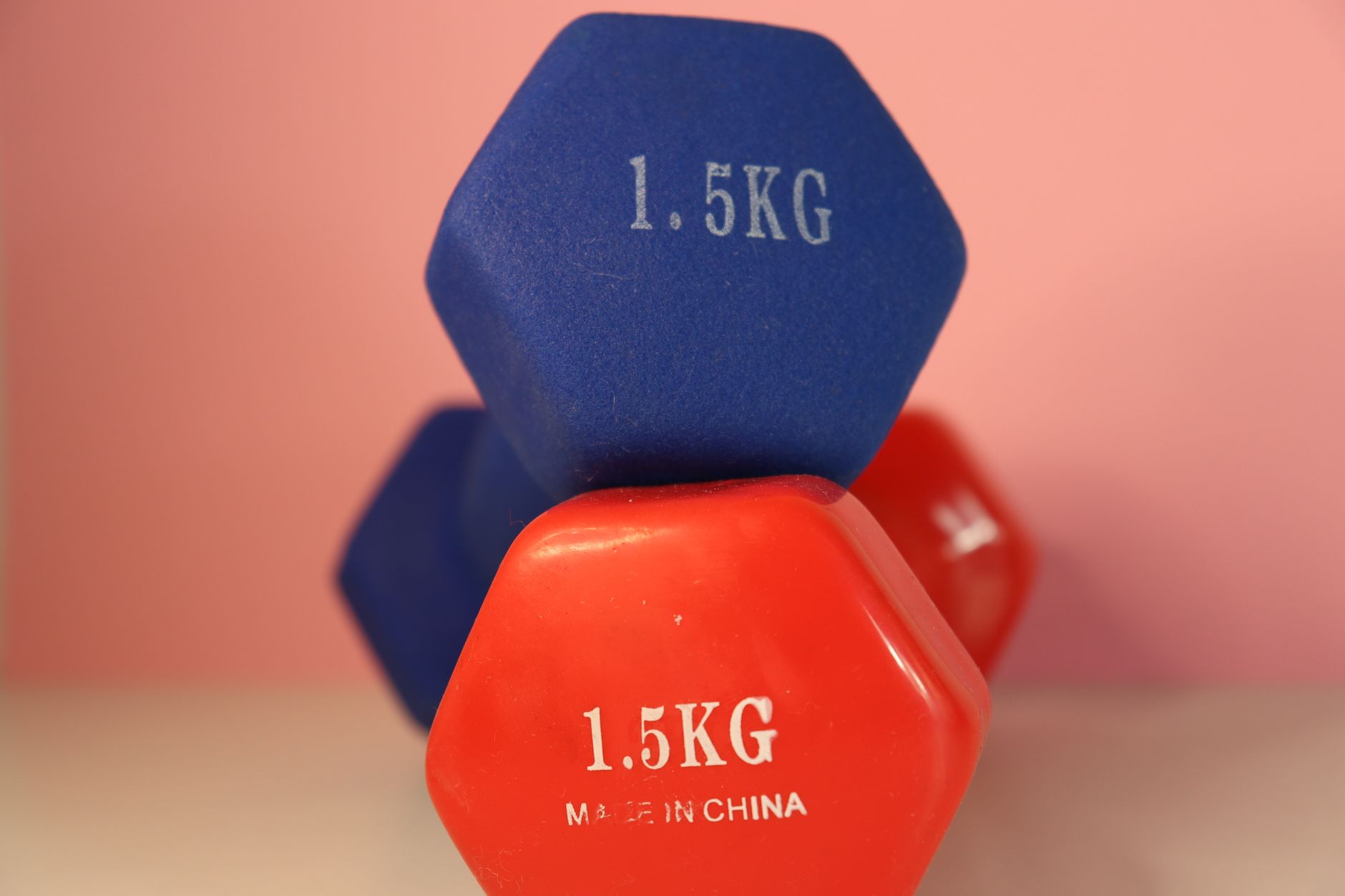
The Energy Balance Reality—What Actually Limits Growth
Here’s the limitation nobody talks about enough: building muscle while maintaining serious running volume requires eating significantly more than either activity alone. If you’re trying to gain strength, you need a caloric surplus or at minimum maintenance calories plus enough protein. But running burns calories aggressively. A typical run for me burns 800-1200 calories depending on distance and pace. Adding that to strength training means your total expenditure might reach 3000-3500 calories per day if you’re moderately active otherwise. I learned this the hard way. When I first combined running and weights without adjusting my diet, I stalled on my lifts within three months despite consistent training.
I was in an unintentional caloric deficit, my body couldn’t recover properly, and I was losing strength even though my running fitness improved. Once I increased my caloric intake—adding a second breakfast, more protein at lunch, and snacks between meals—everything changed. My deadlift went up 45 pounds in four months. The warning here is that you can’t out-train a bad diet. If your goal is to combine these sports and get stronger, you have to commit to eating more. Many runners, especially those with habits from distance-running endurance sports, resist this. But the math is unforgiving: you need fuel to build muscle, and running demands calories. Without addressing nutrition explicitly, you’ll spend months spinning your wheels, getting frustrated, and potentially getting injured because your body is chronically under-recovered.
Programming Structure—How to Organize Your Week
My actual weekly structure looks like this: Monday and Friday are moderate runs (6-8 miles at zone 2 pace), Wednesday is an easy 4-5 miler, and Saturday is a longer run (8-12 miles). Tuesday and Thursday are dedicated to the gym—upper body work on Tuesday, lower body on Thursday. This pattern gives me recovery days (Sunday fully off, a few other days much lighter) while maximizing the separation between hard runs and hard lifts. A real example from my own training: I don’t do heavy squats on Monday and then run 8 miles on Tuesday. That’s asking too much of your legs and central nervous system. Instead, I do the heavy squat work on Thursday, then have a full recovery day Friday where I run easy and do mobility work.
The long run on Saturday comes five days after my last heavy lower body session, so my legs have time to adapt and recover before the volume kicks in again. The key principle is staggering these demands. Your body doesn’t recover from strength and aerobic work at the same rate. Heavy strength training requires 48-72 hours of genuine recovery for neurological adaptation. Running, especially easy running, you can do much more frequently because it’s not creating the same neural fatigue. So I use the runs to fill in my training week without interfering with the strength sessions that require more recovery. This also prevents the common mistake of trying to do a hard run and a hard lift on the same day—that’s possible occasionally, but not sustainable.
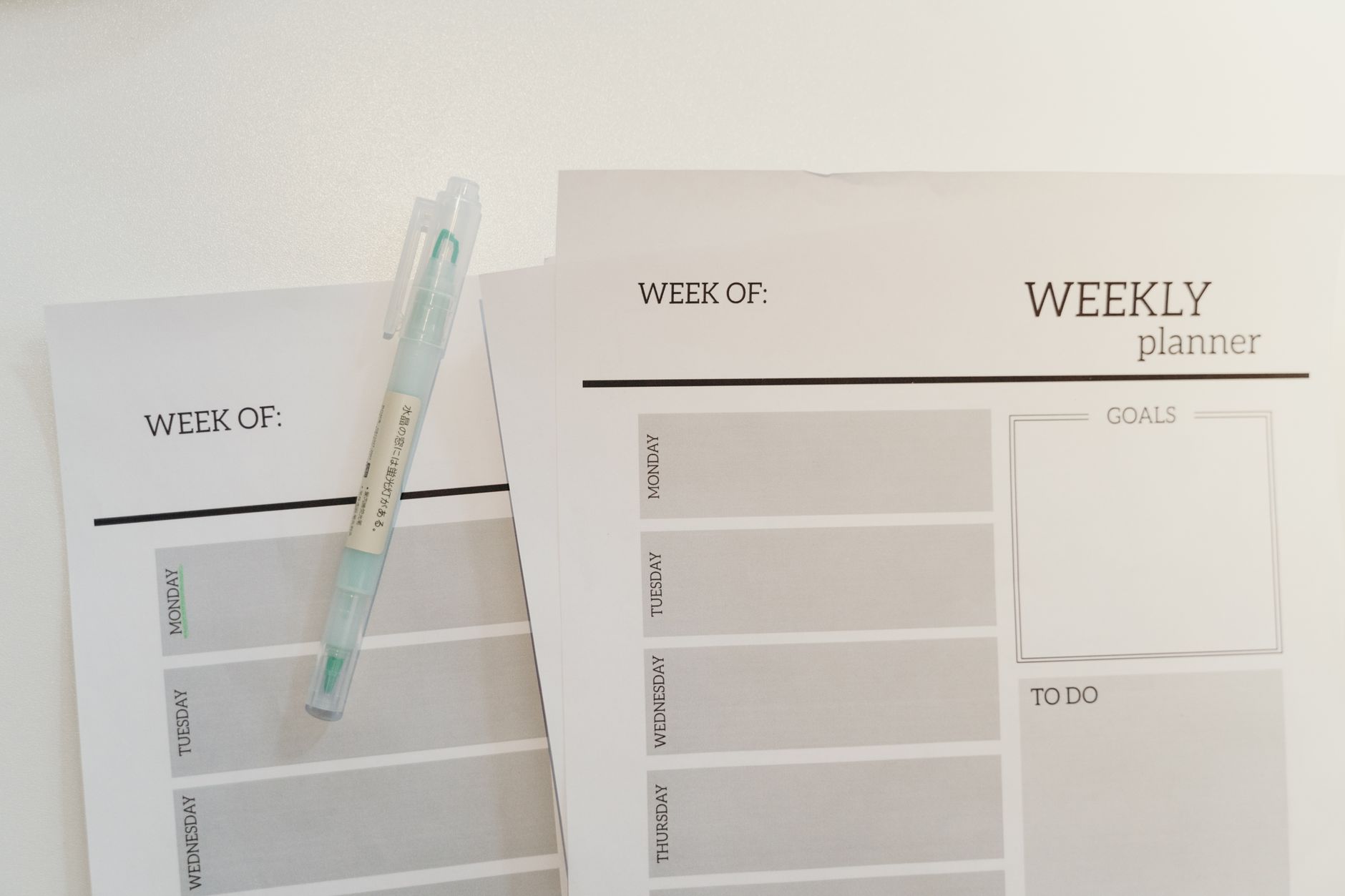
The Practical Challenge of Time and Logistics
Training for both sports requires 9-10 hours per week if you’re doing it seriously. That’s running 20-25 miles across four sessions, plus 5 hours of strength training. It’s more than what most people can or want to commit to. I schedule most of my running early in the morning before work—5 a.m. starts are normal for me—and then lift in the afternoon or evening when I have more time. This separation gives my system partial recovery between sessions. The tradeoff is real: if I were specializing in distance running, I’d be faster. If I were specializing in strength, I’d be stronger.
By splitting focus, I’m probably not elite at either, but I’m very good at both and have created something that feels sustainable. I’ll never run a sub-three-hour marathon with my current training split, and I’ll probably never total 1,000 pounds, but I can run a sub-three-hour fifteen marathon and deadlift 445 pounds, which is the point—functional strength and cardiovascular capacity combined. The logistical solution is non-negotiable: you have to treat this like a job with a schedule. I have running clothes and shoes in multiple places. I pre-pack gym bags. I do meal prep on Sundays. Without these systems, I’d constantly be improvising and probably missing sessions or making poor food choices. The training itself is straightforward once you get the framework right, but the execution requires discipline in the unglamorous parts of training.
The Injury Risk Nobody Plans For
The biggest risk with combining high running volume and heavy lifting is overuse injuries in the structural tissues—tendons, ligaments, cartilage. Your muscles might adapt fine, but your connective tissues have slower turnover and lower blood flow, so they accumulate stress more slowly. I had a period where I was hitting the gym hard while maintaining 25 miles per week of running, and I developed patellar tendonitis. It wasn’t sharp pain, just a growing ache in my knee that started during squats and lingered through my runs. The warning here: if something starts hurting, you have to deload immediately. This is different from muscle soreness or normal fatigue. I made the mistake of pushing through for two weeks, thinking it would strengthen the tendon.
Instead, it got worse. I ultimately had to drop running to 10 miles per week and reduce my squat volume by 40% for three weeks. That’s a real cost. It would have been cheaper to cut back immediately. Prevention matters more than you’d think. Adequate sleep, taking at least one full rest day per week where you do nothing, managing total volume carefully, and being willing to reduce running during heavy strength phases all help. I also strength train my lower legs and do ankle mobility work three times per week because runners’ lower leg tendon issues are common. The limitation is that you can’t just ignore these considerations and train hard on both fronts without eventually hitting a wall.

Nutrition and Recovery Specifics
Beyond just eating more, the composition of what you eat matters. You need adequate carbohydrates to fuel both the running and the high-rep strength work. During my heavy training phases, I’m eating 6-7 grams of carbohydrates per kilogram of body weight per day. That’s not a huge surplus, but combined with protein (about 1.6 grams per kg), it supports both the aerobic adaptations and the muscle preservation needed.
A concrete example: on a Tuesday when I do heavy lower body work followed by Thursday running, I eat a big carb and protein-rich lunch, then another snack two hours before the gym. After lifting, I eat within an hour—usually a smoothie with fruit and protein powder, then a full meal a couple hours later. Thursday morning I do the same thing before my run. This level of nutritional attention isn’t glamorous, but it’s the difference between steady progress and stagnation when you’re training this much.
Long-Term Development and What This Builds Over Time
Training this way for a couple of years has changed my body composition and performance in ways that surprise people. I’m significantly stronger than most runners—not just than casual runners, but than people who ran seriously in college. And I have cardiovascular fitness that’s genuinely unusual for someone who lifts weights regularly. The combination creates a rare physique: I’m muscular but lean, strong but mobile, and I have the work capacity to handle both hard running and hard strength sessions. The future-looking insight is that this model becomes more sustainable with age.
In your twenties, you can often get away with pure specialization and still come out ahead. But as you hit your thirties and beyond, resilience and balance become more important. A runner with a solid strength base has better bone density, joint stability, and injury resistance as they age. Someone who lifts but also runs maintains cardiovascular health and joint mobility. The combination positions you better for the long term, even if it means not being a specialist.
Conclusion
Combining running and weights works because each modality makes you better at the other. Running improves work capacity and recovery ability, enabling better strength training. Weights prevent muscle loss and build resilience. The key is structuring your week intelligently—separating hard efforts, giving adequate recovery, and making nutrition non-negotiable.
You won’t be elite at either sport, but you’ll build a stronger, more capable version of yourself than you’d get by specializing in just one. The real commitment is showing up consistently over years, not weeks. The progress is slower than if you specialized, and the time commitment is real. But the result is a body that’s genuinely well-rounded—strong, capable, resilient, and built for longevity rather than a single narrow goal.
Frequently Asked Questions
Can I gain muscle while running 25+ miles per week?
Yes, but only with a deliberate surplus of calories and protein, plus consistent strength training. Without adjusting your diet, you’ll stall or lose strength despite good programming.
How many days per week should I lift if I’m running 4 days per week?
Two heavy sessions per week is sustainable for most people. More than that usually requires significantly more recovery time and food, and you’ll hit diminishing returns.
Will running hurt my strength gains?
Not if you manage volume and recovery properly. Easy running actually aids recovery. Hard running on the same day as hard lifting is inefficient.
What’s a realistic total strength gain while maintaining serious running?
Expect gains of 5-10% per year in compound lifts (squat, deadlift, bench) if you’re doing this right. It’s slower than lifting-only but still meaningful.
Should I prioritize running or lifting if I have limited time?
Lift first in your session if you’re doing both on the same day—you have more neurological energy for strength work. Do your running after or on separate days.
What’s the most common mistake people make combining these?
Not eating enough. They maintain running calories while adding lifting, then wonder why they’re fatigued and weak after a few months.