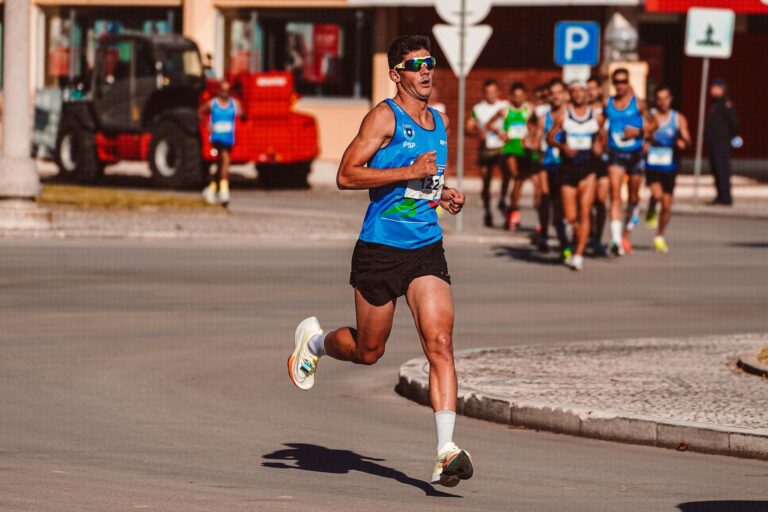
The best thing to eat before a run depends on timing and your individual digestion, but most runners benefit from a combination of carbohydrates and protein eaten 1-3 hours before heading out. A banana with almond butter two hours before a morning run, a bowl of oatmeal with berries three hours prior, or even a simple bagel with peanut butter can all work well—the key is choosing foods your stomach tolerates and eating enough to fuel your effort without causing cramping or nausea. The goal is to top off your glycogen stores and provide steady energy, not to fuel the run itself, since your body has sufficient energy reserves for most workout distances.
What you eat before running matters more than you might think. Many runners skip breakfast before early morning runs, hit the pavement on an empty stomach, and wonder why they feel sluggish or bonk halfway through. Others eat a heavy meal too close to their run and struggle with side stitches and digestive distress. Finding your pre-run nutrition sweet spot takes trial and error, but understanding the principles behind fueling—timing, composition, and portion size—can dramatically improve your running performance and comfort.
Table of Contents
- WHEN SHOULD YOU EAT BEFORE RUNNING?
- CARBOHYDRATES ARE YOUR PRIMARY FUEL SOURCE
- WHY PROTEIN HELPS STABILIZE YOUR ENERGY
- PRACTICAL MEAL IDEAS FOR DIFFERENT RUN TIMES
- WATCH OUT FOR COMMON PRE-RUN NUTRITION MISTAKES
- HOW MUCH VOLUME SHOULD YOU EAT?
- INDIVIDUAL VARIATION AND LONG-TERM FUELING STRATEGY
- Conclusion
- Frequently Asked Questions
WHEN SHOULD YOU EAT BEFORE RUNNING?
Timing is everything when it comes to pre-run nutrition. Eating too close to your run risks cramping, nausea, and Intensity Minutes Can Slow Down”>that uncomfortable sloshing feeling in your stomach. Eating too far ahead leaves you depleted and bonked by mile three. The general rule is to eat a substantial meal 3-4 hours before running, a lighter snack 1-2 hours before, or a very small bite 30 minutes before if you’re just running a short distance.
This timeline allows your food to digest enough that it won’t irritate your stomach during impact and movement, while still being available as fuel when you need it. For a long run on a Saturday morning, many runners wake up early enough to eat a full breakfast 2-3 hours before starting—something like toast with jam, oatmeal, or a bagel. For a quick weekday evening run after work, you might snack lightly on a handful of pretzels or a slice of toast 45 minutes prior. The exact timing also depends on your digestive system: some runners are fine eating 90 minutes before a run, while others need a full three hours. Pay attention to how you feel during runs after different pre-run eating schedules, and adjust accordingly.
CARBOHYDRATES ARE YOUR PRIMARY FUEL SOURCE
Carbohydrates should form the foundation of your pre-run meal because they’re your body’s preferred fuel source for running and the easiest to digest quickly. When you eat carbs, your body breaks them down into glucose, which enters your bloodstream and feeds your muscles during the run. Oatmeal, toast, cereal, bananas, bagels, rice, pasta, and energy bars are all solid carbohydrate choices. Aim for 30-80 grams of carbs depending on the meal size and how far ahead you’re eating—a bigger meal three hours out can include more carbs than a small snack 45 minutes before.
There’s an important limitation to understand: eating carbs before running doesn’t actually fuel the run itself if it’s a short or moderate effort. Your liver and muscles already store enough glycogen from your regular diet to power a 60-minute run. Where pre-run carbs really matter is in topping off those stores and stabilizing your blood sugar, which prevents the mental and physical fog that comes from starting depleted. For runs longer than 90 minutes, your pre-run meal becomes more critical because you’ll genuinely deplete some glycogen during the effort, and starting well-fueled helps you maintain pace in the final miles.
WHY PROTEIN HELPS STABILIZE YOUR ENERGY
Adding protein to your pre-run meal slows digestion slightly and helps stabilize blood sugar, preventing the energy crash that can come from eating carbs alone. When you eat toast by itself 90 minutes before running, your blood sugar might spike and then drop sharply as insulin clears the glucose from your bloodstream. Adding peanut butter, eggs, yogurt, or cheese to that same meal smooths out the blood sugar curve and provides a steadier release of energy. Aim for 10-20 grams of protein in a pre-run meal; more than that risks slowing digestion and sitting heavy in your stomach.
A real-world example: a runner eating a bowl of plain cereal might feel energized for the first 20 minutes of their run, then hit a wall as blood sugar crashes. The same runner eating cereal with milk and a piece of toast with almond butter experiences more consistent energy throughout. The protein and fat in the almond butter and milk slow the carb absorption, creating a gentler, longer-lasting fuel delivery. Don’t overdo the protein though—a breakfast burrito loaded with sausage, eggs, and cheese 90 minutes before a run often causes cramping and gastrointestinal distress because the fat and protein take longer to digest.

PRACTICAL MEAL IDEAS FOR DIFFERENT RUN TIMES
For a morning run starting at 6 a.m., eat a light breakfast at 4 a.m. (if you can wake that early) or go with very minimal fuel and eat a proper breakfast after your run. A medium breakfast at 3-4 a.m. might be a bowl of oatmeal with banana and honey, or two slices of toast with peanut butter and jam. If waking that early isn’t realistic, many runners simply run fasted and grab breakfast afterward—this works fine for easy to moderate runs under 60 minutes.
A small snack like a banana or energy bar 30-45 minutes before a very early run can also bridge the gap between sleep and running without requiring a full meal. For an evening run after work, the challenge is managing what you ate at lunch and balancing hunger against digestion time. If you ate a normal lunch at noon and your run is at 5 p.m., you’re usually fine going straight out, though a light snack like an apple or a handful of crackers around 3 or 4 p.m. can prevent bonking. Compare this to running just two hours after a large, heavy lunch—even if the quantity was similar, the fat and fiber content of some foods slow digestion enough that your stomach is still actively processing. A better approach is eating a lighter lunch that digests faster (a sandwich and fruit rather than pizza and garlic bread) and following it with a small snack a couple hours later.
WATCH OUT FOR COMMON PRE-RUN NUTRITION MISTAKES
High-fiber foods, high-fat foods, and anything new should be avoided right before a run. Beans, bran cereal, raw vegetables with lots of fiber, and high-fat foods like bacon or fried chicken slow digestion and pull blood toward your digestive system when you’d rather have it going to your muscles. Many runners learn this the hard way—eating an apple and almonds for a pre-run snack feels healthy but often leads to side stitches or cramping because of the fiber and fat combination. Save those foods for post-run recovery and snacks on non-running days. Another common mistake is confusing hydration with eating.
Drinking a large sports drink and thinking you’re fueled is tempting, but liquid calories alone don’t provide the same satiety or sustained energy as solid food. You may feel temporarily better but often hit an energy wall 20-30 minutes into your run. Conversely, some runners eat solid food without drinking enough fluids, leading to dehydration and poor digestion. The ideal approach is eating some carbs and a bit of protein with adequate water, not one or the other. Also watch for assuming that “energy” or “sports” bars are always good pre-run options—many are high in fiber or sugar alcohols that cause GI distress during running, so test any new product on a short, easy run first.

HOW MUCH VOLUME SHOULD YOU EAT?
The amount of food matters as much as the type. Eating too much before running means your stomach is still actively digesting when you’re mid-effort, pulling blood away from your muscles and often causing nausea or side stitches. Eating too little leaves you depleted and struggling mentally and physically. For a substantial pre-run meal eaten 3-4 hours before, aim for a normal-sized meal—roughly what you’d eat for breakfast or lunch on a non-running day.
For a snack eaten 1-2 hours before, aim for 100-250 calories and keep it simple: a banana, a slice of toast, a small bowl of cereal, or an energy bar. Body weight and run intensity also influence how much you need. A 120-pound runner eating a pre-run meal will feel satisfied with less volume than a 180-pound runner. Similarly, eating enough for a 5-mile easy run is different from fueling for a 10-mile tempo effort—the longer or harder run often benefits from slightly more pre-run fuel. A good starting point is experimenting: eat what feels comfortable, note how you felt at mile two and mile five, then adjust up or down for your next similar run.
INDIVIDUAL VARIATION AND LONG-TERM FUELING STRATEGY
What works for one runner often doesn’t work for another, which is why pre-run nutrition requires personal experimentation rather than following a one-size-fits-all rule. Some runners have extremely efficient digestion and can eat a full meal 90 minutes before running comfortably, while others need three hours and still feel sluggish. Some thrive on liquid carbs like sports drinks, others find them nauseating. Your genetics, training history, gut health, and even stress levels influence how you tolerate pre-run food.
Keeping a simple log—what you ate, when you ate it, and how you felt during the run—helps you identify patterns and dial in your personal ideal fueling. Looking forward, many runners find that consistent pre-run nutrition becomes easier as they train more regularly. Your digestive system adapts to fueling before effort, and you naturally discover your window of tolerance. Elite and experienced distance runners often develop very reliable pre-run routines that they can execute consistently across many races and training cycles. Start where you are, test systematically, and trust that you’ll develop a reliable approach that works for your body and schedule.
Conclusion
Eating before a run should provide steady energy and top off your glycogen stores without causing digestive distress. The ideal pre-run meal is carb-focused with some protein, eaten 1-3 hours before depending on the meal size, and adjusted to your personal digestion and run schedule. Common choices include oatmeal with banana, toast with peanut butter, bagels, cereal with milk, or an energy bar, but the specific food matters less than timing, composition, and testing it on easy runs first.
The biggest gain in your running performance and comfort often comes not from what you eat before running, but from establishing a consistent routine and actually sticking with it. Once you figure out your personal sweet spot—whether that’s a full breakfast three hours before morning long runs or a single banana 45 minutes before evening efforts—you’ve removed a major variable from your training. From there, you can focus on what actually matters: consistent running, building fitness, and enjoying the process.
Frequently Asked Questions
Can I run on an empty stomach?
Yes, fasted running is fine for easy or moderate runs under 60 minutes, though most runners perform and feel better with at least a small snack. The risks of running completely fasted are bonking mentally and physically and potentially training your body to burn muscle for fuel. If you choose fasted running, keep it easy and don’t do it regularly before your key workouts.
What’s the difference between a pre-run meal and a pre-run snack?
A meal is substantial—eaten 3-4 hours before running and containing enough calories and carbs to serve as your primary fuel before effort. A snack is light—eaten 30-90 minutes before and containing just enough carbs and perhaps a touch of protein to stabilize energy. Meals allow longer digestion time; snacks are meant to be quick and easy on the stomach.
Should I eat differently before easy runs versus hard workouts?
Easy runs are forgiving about pre-run nutrition because your effort level is low and your fuel demands are modest. Hard workouts benefit from slightly more substantial pre-run fuel because your muscles are working harder and need more energy delivered reliably. Test both approaches, but generally aim for a bit more carbs before tempo runs, intervals, or long runs compared to easy efforts.
What if I feel sick or have side stitches during runs no matter what I eat beforehand?
Side stitches and nausea often point to eating too much, too close to running, or too much fiber or fat. Try eating less volume, giving yourself more time before starting, or switching to a simpler, lower-fiber food. If problems persist, consider running in the afternoon after lunch has fully digested, or experimenting with liquid carbs like a sports drink instead of solid food.
Is it better to eat carbs or fat before a run?
Carbs are better. Fat slows digestion and sits heavy in your stomach during running. Carbs break down quickly into glucose and provide readily available energy. Include a small amount of protein for satiety and blood sugar stability, but keep fat minimal in the hour or two before running.
How does pre-run nutrition change for ultramarathons or very long runs?
For ultra-distance efforts, you’ll need fuel during the run itself, not just before. Pre-run nutrition still matters—start well-fueled to prevent an energy deficit from the beginning—but also plan for refueling every 45-60 minutes during the effort with sports drinks, gels, or solid food that you’ve tested extensively in training.