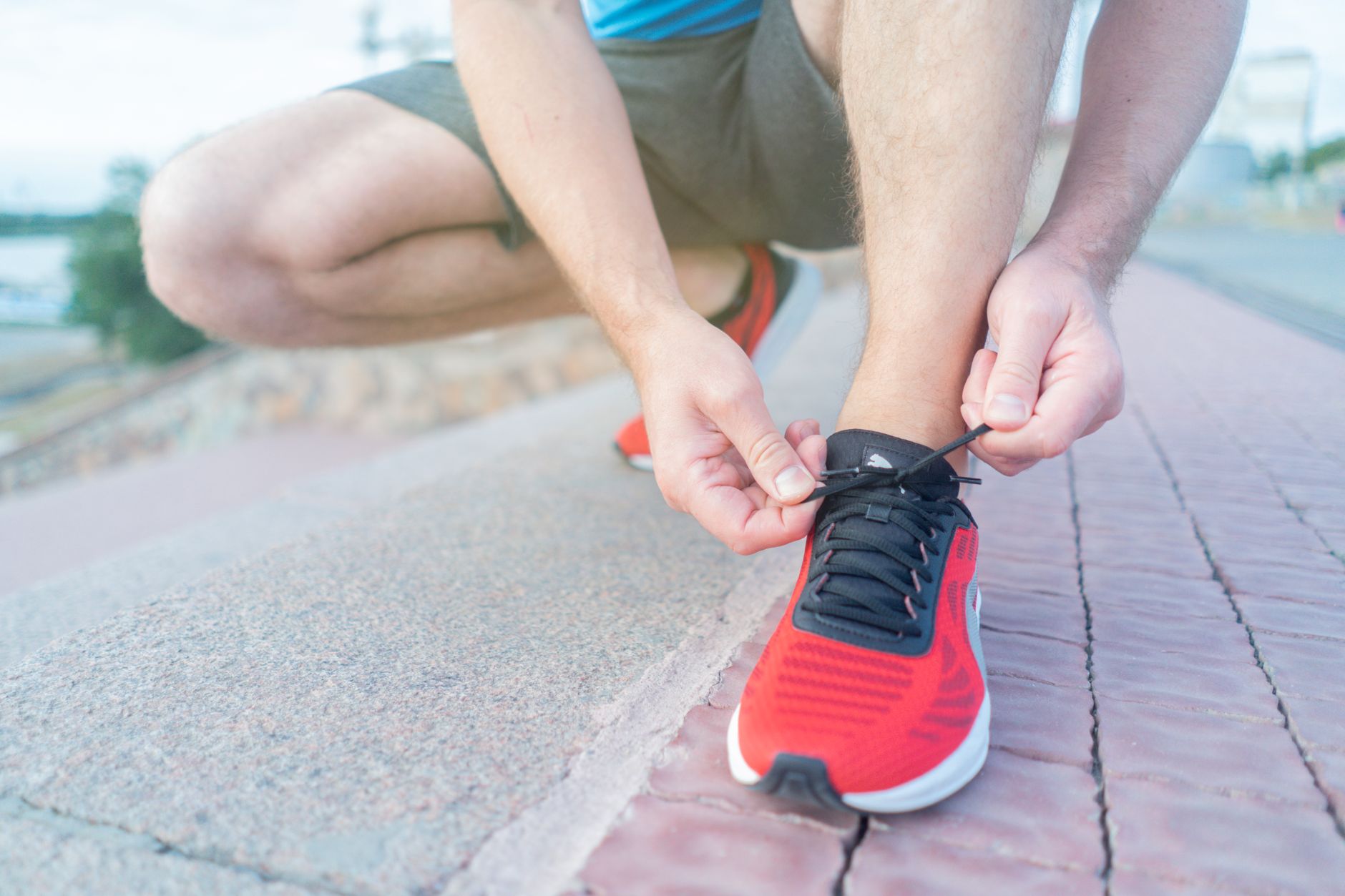
The best marathon shoe rotation — using different shoes for different runs — is a daily trainer, a tempo shoe, and a race-day super shoe. Use the trainer for most miles, the tempo shoe for intervals and threshold work, and the super shoe only for key sessions and the race. For most marathoners, two to three pairs cover the whole block. The trainer handles 70 to 80 percent of easy volume, the second pair handles speed, and the tested racer stays fresh until race day.
Medical information disclaimer: This article is for general educational purposes only and does not provide medical advice, diagnosis, or treatment. Always consult a physician or other qualified health professional about symptoms, medications, tests, or treatment decisions.
Table of Contents
- What does each shoe do?
- Can rotation lower injury risk?
- How much do super shoes help?
- How many pairs do you need, and when do you replace them?
- Is your race shoe legal?
What does each shoe do?
Saucony describes the classic setup as a cushioned trainer for easy and long miles plus a lighter shoe for intervals and threshold work in its Saucony rotation guide. It reserves the carbon-plated super shoe, a light racer with a stiff plate and springy foam, for race day. Tempo here means comfortably hard running, such as threshold repeats and cruise intervals.
Super shoe means a race model built around that plate and foam for extra rebound. Use the trainer for recovery runs, easy aerobic miles, and the long run. Switch to the tempo shoe when the workout has a pace target and a short rest.
- Trainer: easy days, warmups, cooldowns, most of the long run
- Tempo shoe: intervals, threshold, marathon-pace segments
- Super shoe: race-pace rehearsal and race day
Can rotation lower injury risk?
StartLane reports that recreational runners using more than one model in parallel had about 39 percent lower injury risk over 22 weeks than single-shoe runners in its StartLane rotation review. The cohort included 264 runners. Different shoes change stress on feet, ankles, and knees across the week.
That varied load is the proposed reason for the link. The link is observational, not proof of cause. StartLane notes that multi-shoe runners also ran more often and did more other sports, which can affect injury risk.
How much do super shoes help?
A Muscles review of prior research finds carbon-plated shoes improve running economy by about 2 to 4 percent, per its Muscles review of super-shoe research. That equals roughly 1 to 2 percent faster marathon performance on flat roads. Running economy means oxygen used at a given pace.
A lower cost lets a runner hold pace with less effort. The famous 4 percent figure came from 18 highly trained men running 14 to 18 kilometers per hour. Individual gains ranged from 1.59 to 6.26 percent, and RunDida notes slower marathoners often gain only about 1.5 to 2 percent.
How many pairs do you need, and when do you replace them?
StartLane and Run-It state that two to three pairs suit most marathoners. Keep one daily trainer for 70 to 80 percent of easy Zone 1 volume, meaning slow talking-pace running, add one workout shoe, and keep one already-tested racer. Three pairs spread impact and let foam recover between runs.
Two pairs still work when budget or space is tight. Save super shoes for races and a few marathon-pace sessions, and break them in beforehand. StartLane and RunDida place trainer life near 300 to 500 miles, while racers fade near 300 kilometers.
- Log miles per pair from day one
- Retire trainers with worn tread, flat foam, or new aches
- Test the full race kit, socks included, before race week
Is your race shoe legal?
World Athletics caps road-racing shoes at 40 millimeters of sole thickness with no more than one rigid plate. The rule appears in the Athletic Shoe Regulations effective January 1, 2026. The cap applies to elite and label races where officials check shoes.
Everyday runners in open fields rarely face a check. Check the model against the World Athletics compliant list before an elite or label race. Swap in a legal racer early enough for one marathon-pace workout.