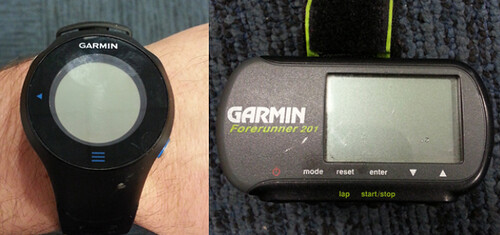
The Forerunner 265 is the best pick for most runners who track VO2 Max trends. VO2 Max is the peak oxygen your body can use during hard effort, and a trend is how that estimate moves across weeks.
WearToTrack rates the 265 as best overall for full training metrics in its 2026 WearToTrack comparison. It rates the 165 as best value for running-only VO2 Max and the 965/970 tier for serious training. Choose by how much training context you want.
Medical information disclaimer: This article is for general educational purposes only and does not provide medical advice, diagnosis, or treatment. Always consult a physician or other qualified health professional about symptoms, medications, tests, or treatment decisions.
Table of Contents
- Match the model to your training
- What does a valid reading require?
- How much should you trust the number?
- How do you build a useful trend?
- Frequently Asked Questions
Match the model to your training
Runners who want a simple trend can start with the 165. It covers running VO2 Max without extra multisport layers. Runners training for longer races often prefer the 265 for status, load, and race prediction context.
Garmin states its Forerunner 70/170, 570, 970 and prior 55, 165, 255, 265, 955 and 965 models automatically record VO2 Max after qualifying outdoor runs, as detailed in the Garmin VO2 Max guide. The run must exceed 10 minutes with GPS and heart rate enabled. Runners who also train by bike power may value the top tier more.
What does a valid reading require?
Garmin support explains that a valid estimate needs outdoor GPS plus wrist heart rate or a compatible chest strap, as listed in the Garmin support page on VO2 Max requirements. Heart rate must stay near 70 percent of maximum for an extended stretch. Runs must last at least 10 minutes.
Wear the watch snug and start the timer after GPS locks. Pick a flat route you can repeat. Run steady and comfortably hard rather than surging and stopping.
How much should you trust the number?
RunRacePlanner, summarizing Howard and colleagues, reports the Forerunner 265 overestimated VO2 Max by about 2.9 units early and kept mean error below 10 percent in the RunRacePlanner summary of Howard and colleagues. Pooled studies show wider individual spread. Treat one reading as a rough marker.
Watch the slope across similar runs instead. A rising line during consistent training signals gain. A flat or falling line across weeks signals fatigue, illness, detraining, or noisy data.
How do you build a useful trend?
Repeat the same conditions so changes reflect fitness, not noise. Small habits matter more than model choice once you own the watch.
Check the slope every few weeks, not daily. Act on a flat or falling line by adding sleep, easy volume, or one tempo session.
- Run outside with GPS and a steady heart-rate signal
- Hold a comfortably hard pace for over 10 minutes
- Repeat a flat familiar route in similar weather
- Compare similar efforts week to week
Frequently Asked Questions
Should I react to a daily VO2 Max drop?
No. Compare similar runs across weeks and look for a sustained slope before changing training.
Does a higher reading guarantee a faster race?
No. Use it with training status, recent workouts, and how you feel to judge readiness.