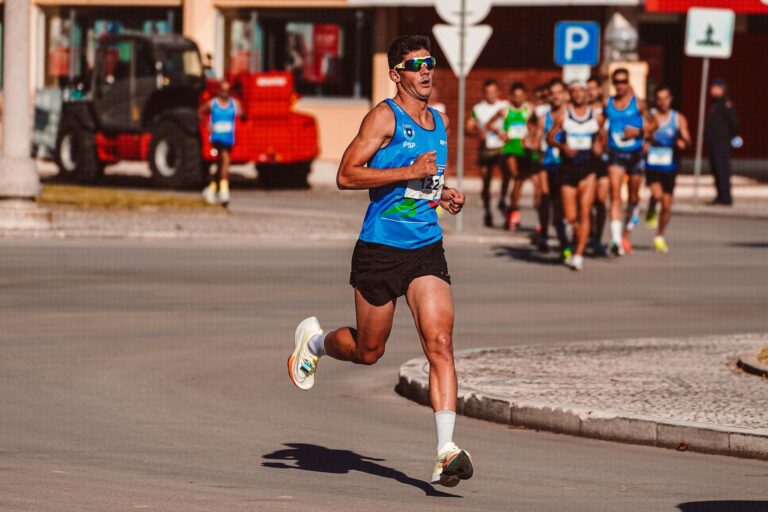
Runner’s high is caused by a combination of chemical and physiological responses in your brain and body during sustained aerobic exercise, primarily involving the release of endorphins, dopamine, and other neurochemicals that create feelings of euphoria, reduced pain perception, and enhanced mood. While endorphins were long believed to be the sole cause, modern research reveals that the phenomenon is far more complex, involving multiple neurotransmitter systems that work together during periods of sustained physical activity, typically beginning around 20-30 minutes into a run at moderate intensity. A typical runner might experience this effect about halfway through a 5-mile run, noticing that initial fatigue and mental chatter fade away, replaced by a calm sense of accomplishment and wellbeing that can linger for hours after finishing. The exact experience varies between individuals—some describe it as euphoric, others as a meditative state of mental clarity, and some runners never experience a pronounced high at all, which is completely normal given genetic and physiological differences.
Table of Contents
- What Role Do Endorphins Play in Runner’s High?
- Understanding the Brain Chemistry Behind the Runner’s High
- How Exercise Duration and Intensity Affect Runner’s High
- Practical Ways to Achieve Runner’s High During Your Runs
- When Runner’s High Doesn’t Happen (Common Issues)
- The Role of Other Neurochemicals Beyond Endorphins
- The Future of Understanding Runner’s High and Mental Health
- Conclusion
- Frequently Asked Questions
What Role Do Endorphins Play in Runner’s High?
Endorphins running/” title=”What Shoes Are Best for Running”>are endogenous opioid peptides produced by your pituitary gland and central nervous system during physical exertion, and they bind to opioid receptors throughout your body to reduce pain signals and create mild euphoria. When you run, your body releases these natural chemicals as a response to stress and physical demand, which is why distance runners often report that nagging injuries feel painless during a run—the endorphins are literally blocking pain transmission at the neural level. This is similar to how pharmaceutical opioids work in the body, except endorphins are self-produced and dissipate naturally once exercise stops.
However, endorphins alone don’t fully explain runner’s high. Research has shown that blocking opioid receptors with naloxone doesn’t completely eliminate the euphoric sensation some runners report, suggesting other neurochemicals contribute significantly. For example, a runner might feel pain relief from endorphins while simultaneously experiencing mood elevation and anxiety reduction from other neurotransmitters, creating a layered effect that’s greater than endorphins alone.

Understanding the Brain Chemistry Behind the Runner’s High
Your brain produces several critical neurotransmitters during sustained aerobic exercise beyond just endorphins, including dopamine (associated with reward and motivation), serotonin (mood regulation), and endocannabinoids (the body’s natural equivalent to compounds in cannabis). These chemicals work in concert to create the multifaceted runner’s high experience, and different intensities or durations of running may trigger different balances of these substances.
A gentle, meditative 30-minute jog might produce primarily serotonin and endocannabinoid effects, while a harder tempo run might trigger more dopamine release alongside the endorphin response. One important limitation to understand is that individual variation is significant—genetic differences in neurotransmitter receptor distribution mean that two runners of similar fitness levels and running at identical paces might have dramatically different experiences. Some people’s brains naturally produce more endocannabinoids, while others may be more responsive to dopamine fluctuations, explaining why runner’s high is not a guaranteed outcome for everyone despite following the same training protocols.
How Exercise Duration and Intensity Affect Runner’s High
Runner’s high typically becomes noticeable after approximately 20-30 minutes of continuous aerobic exercise at a moderate Intensity Minutes Help Adults Enjoy Outdoor Activities Longer”>intensity—usually around 50-70% of your maximum heart rate—though this timeline varies considerably between individuals based on fitness level, age, and training history. A competitive runner might trigger the response within 15 minutes, while a beginner might need 40-45 minutes of consistent effort.
The intensity matters significantly: extremely hard sprint intervals may activate some neurochemical responses but don’t typically produce the sustained sense of wellbeing associated with classic runner’s high, which seems to require a steady aerobic state rather than anaerobic effort. A practical example illustrates this: a runner doing a slow 10-mile base-building run at an easy pace might enter a profound state of mental flow around mile 4 or 5, while that same runner doing a tempo workout at threshold pace might experience more focused motivation and reward-seeking behavior but less of the transcendent euphoria. This distinction is important because chasing runner’s high by pushing harder often backfires—the fastest way to trigger it is usually to back off intensity slightly and focus on consistency and duration instead.

Practical Ways to Achieve Runner’s High During Your Runs
To maximize your chances of experiencing runner’s high, run at a comfortable aerobic pace where you can maintain a conversation, plan for at least 30-45 minutes of continuous running, and establish a regular running routine—frequency and consistency seem to enhance the neurochemical response over time. Beginners should expect that it may take several weeks of regular running before the response becomes pronounced, as your body’s neurotransmitter systems adapt to the stimulus.
Running outdoors in natural settings may also amplify the effect compared to treadmill running, possibly due to additional sensory stimulation and the psychological benefits of being in nature. A comparison worth noting: runners who focus exclusively on speed and performance metrics sometimes report diminished runner’s high experiences, while those who embrace longer, slower runs with minimal goal pressure often describe more frequent and profound states of flow. The tradeoff is that chasing the high directly usually leads to trying too hard, which prevents it—the mental surrender and acceptance required for the experience often comes more easily when you’re not scrutinizing your watch or pace.
When Runner’s High Doesn’t Happen (Common Issues)
Many runners never experience a pronounced runner’s high despite consistent training, which doesn’t indicate a problem with your physiology or training—it simply reflects individual variation in neurotransmitter sensitivity and expression. Some people are naturally less responsive to endorphin and endocannabinoid effects, while others experience the benefits in subtler ways that don’t register as a distinct euphoric sensation.
A warning: if you begin running specifically to chase runner’s high and structure your training around seeking that feeling, you risk developing an unhealthy fixation that actually prevents the natural response and can contribute to overtraining. Other factors that reduce runner’s high include chronic stress and poor sleep quality (which deplete neurotransmitter reserves), certain medications like some antidepressants or beta-blockers (which affect neurotransmitter function), and running in a state of dehydration or inadequate nutrition (which compromises neurochemical production). If you’ve run consistently for months without any positive mood effects, it’s worth examining these factors rather than pushing harder—a week of rest, improved sleep, and stress reduction might do more than another week of increasing mileage.
The Role of Other Neurochemicals Beyond Endorphins
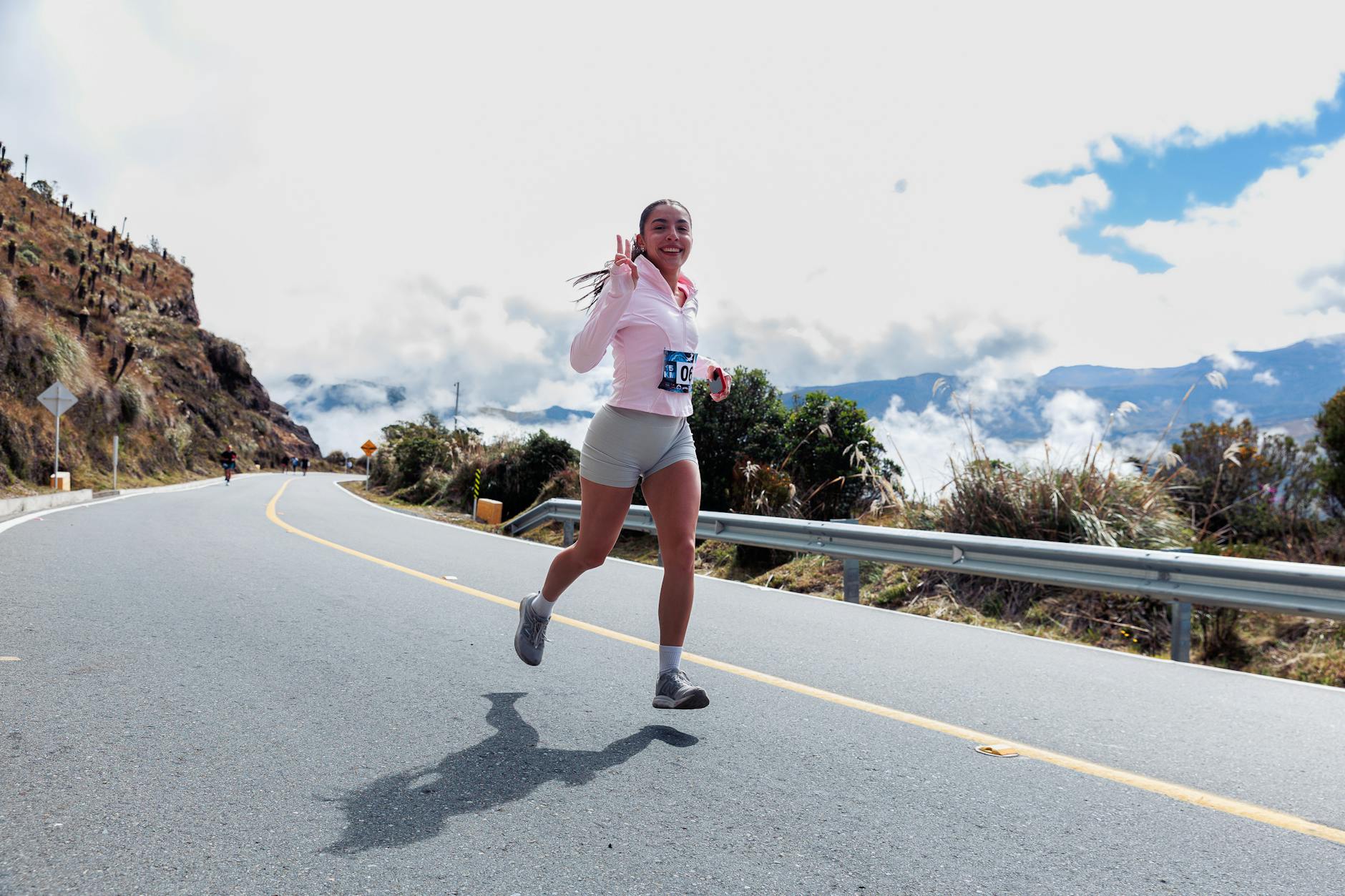
Endocannabinoids deserve special attention because they may play as important a role as endorphins in creating runner’s high, and unlike endorphins which you produce actively, your body’s natural endocannabinoid system is more consistently engaged during aerobic exercise. These compounds create a sense of calm and reduced anxiety while also contributing to pain relief, and they seem particularly responsive to the steady-state aerobic effort that characterizes distance running.
Research suggests that endocannabinoids might be especially responsible for the meditative, flow-state aspect of runner’s high rather than just the pain relief component. The involvement of multiple neurochemical systems explains why runner’s high feels different from other pleasure experiences—it’s not the sudden rush of dopamine from eating chocolate, but rather a sustained alteration in your baseline mood and perception that typically lasts throughout and after your run.
The Future of Understanding Runner’s High and Mental Health
As neuroscience advances, researchers are increasingly interested in leveraging the runner’s high response for mental health treatment, potentially using understanding of these neurochemical mechanisms to develop better therapies for depression, anxiety, and chronic pain. The fact that aerobic exercise can naturally produce multiple mood-enhancing neurochemical responses makes it a powerful tool that doesn’t carry the side effects of pharmaceutical interventions.
Future research will likely reveal more about individual genetic differences in neurochemical responsiveness and how to predict who will experience runner’s high most reliably. This growing body of research underscores what many distance runners already know intuitively—that running offers benefits that extend far beyond cardiovascular fitness into genuine mental health improvements and altered consciousness states that are worth pursuing regardless of whether you label them as “runner’s high.”.
Conclusion
Runner’s high results from your body’s release of multiple neurochemicals—primarily endorphins, dopamine, serotonin, and endocannabinoids—in response to sustained aerobic exercise, creating a complex state of reduced pain perception, elevated mood, and mental clarity. While the exact experience varies between individuals and can’t be guaranteed, the most reliable way to access this response is through consistent, moderate-intensity running of 30-45 minutes or longer, pursued regularly without the pressure of chasing the sensation itself.
Understanding the neuroscience behind runner’s high helps you appreciate why your body responds to running the way it does and can guide your training approach away from the intensity-based strategies that often backfire. Whether you experience a pronounced euphoric sensation or a subtle sense of wellbeing, the neurochemical benefits of regular running remain valuable and consistent, making aerobic exercise one of the most accessible and effective tools for mental health and resilience.
Frequently Asked Questions
How long does runner’s high last?
The neurochemical elevation typically lasts throughout your run and often for 2-4 hours afterward, though some runners report a lingering mood boost for the rest of the day. The peak sensation usually fades within an hour of finishing.
Can you get runner’s high from activities other than running?
Yes, any sustained aerobic activity—cycling, swimming, rowing, cross-country skiing—can trigger similar neurochemical responses, though the specific intensity and duration thresholds may differ slightly depending on the activity.
Why do some people never experience runner’s high?
Genetic variation in neurotransmitter receptor distribution, medication effects, stress and sleep quality, and individual differences in neurochemical sensitivity all contribute. If you don’t experience it, you’re still receiving the mental health benefits of exercise—the neurochemicals are being produced regardless of whether you consciously perceive a “high.”
Does fitness level affect whether you experience runner’s high?
Both yes and no. Very unfit runners might be too stressed during early runs to access the response, while very fit runners sometimes need to specifically dial back intensity to find it, suggesting there’s an optimal aerobic zone where it emerges most readily.
Is runner’s high addictive?
The response isn’t addictive in a clinical sense, though runners can develop psychological associations with running and the mood benefits, making regular running feel necessary for wellbeing. This is healthy habit formation, not substance addiction.
Can medications prevent runner’s high?
Some medications, particularly certain antidepressants and beta-blockers, can reduce the neurochemical response and make runner’s high less pronounced or absent, though this varies by individual and medication class. If you suspect this, discuss running and exercise effects with your doctor rather than altering medication doses on your own.