
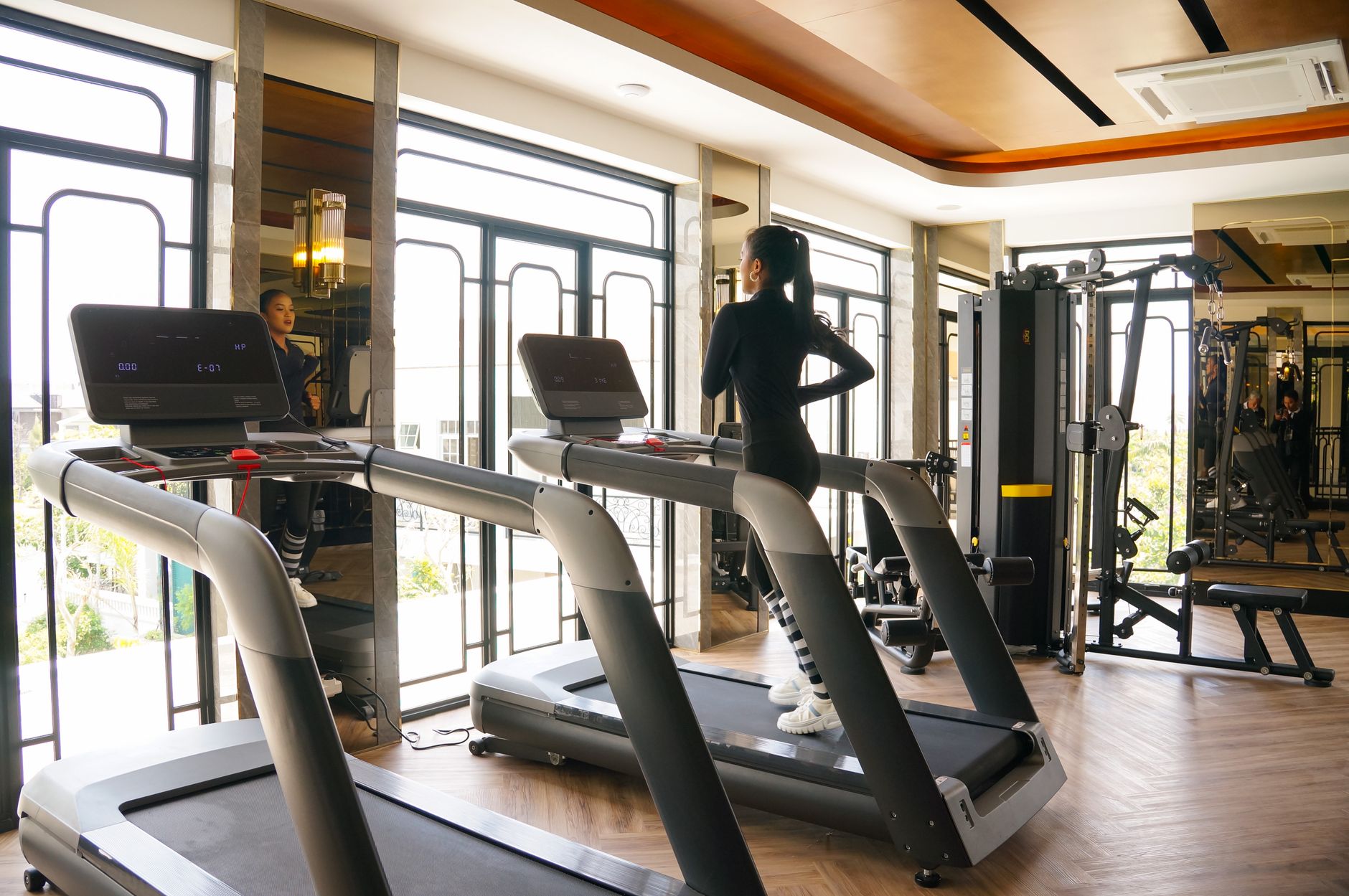
Treadmill running means running in place on a motorized belt while you control speed and incline. In 2026, effective training pairs realistic incline settings with planned hydration, sleep, and strict safety clearances. This guide shows how to set effort, recover, and reduce home risk. It suits beginners building consistency and experienced runners training through bad weather.
Medical information disclaimer: This article is for general educational purposes only and does not provide medical advice, diagnosis, or treatment. Always consult a physician or other qualified health professional about symptoms, medications, tests, or treatment decisions.
Table of Contents
- Make space for emergency exit
- How hard are you actually working?
- How should you drink around sessions?
- How much sleep supports running?
- What household precautions matter?
Make space for emergency exit
Place the treadmill with 0.5 m clear on each side and 2 m behind the belt for emergency egress. BodyCraft cites ASTM International F2115-19 for those clearances in its T800 treadmill manual. Measure before you plug in.
Keep the rear zone open, not storage. Recheck after moving the machine for cleaning. Small shifts can close a side gap.
- Measure 0.5 m from each side rail to walls or furniture.
- Measure 2 m from the rear roller to the nearest wall.
- Keep cords, toys, and laundry out of those zones.
How hard are you actually working?
Flat treadmill running costs about 4% less energy than road running because it lacks air resistance. Outside, describing the Jones and Doust 1996 study, reports tests in 9 trained men. At about 7-min/mile pace, 1% incline closed that gap in its treadmill comparison. A 2025 PLOS ONE study tested endurance athletes on both surfaces.
Overground running still had higher economy and oxygen-transport cost than 1% treadmill grade despite similar VO2max. The American College of Sports Medicine equation estimates oxygen cost from speed and grade. It uses VO2 = 0.2×speed + 0.9×speed×grade + 3.5 to set intensity from belt speed and incline. VO2 means oxygen use per minute.
How should you drink around sessions?
The American College of Sports Medicine advises 200-300 mL every 10-20 minutes during exercise. Set a timer and sip on schedule rather than waiting for thirst.
For aggressive rehydration, the same source advises about 23 oz fluid per pound lost, drunk gradually until 1-2 hours before the next session. Weigh before and after long runs to estimate loss.
How much sleep supports running?
Fit and Well reports recreational runners need 7-9 hours nightly, while elite or high-mileage runners need 8-10 hours. Muscle repair occurs during sleep, and short sleep impairs performance and raises injury risk.
Keep a fixed bedtime, even on rest days. Cut late screens and late hard sessions when sleep runs short.
What household precautions matter?
The U.S. CPSC urges households with children or pets to use treadmills only in a locked room. Consumer Reports, relaying the CPSC warning, advises keeping objects away, unplugging when idle, and storing the safety key from children in its product-safety report.
The CPSC warned users to immediately stop using Sperax walking pads and treadmills. The agency cited 201 reports of sudden speed changes with 66 falls or injuries including concussion. It also cited 573 fire or overheating reports with 4 burns.