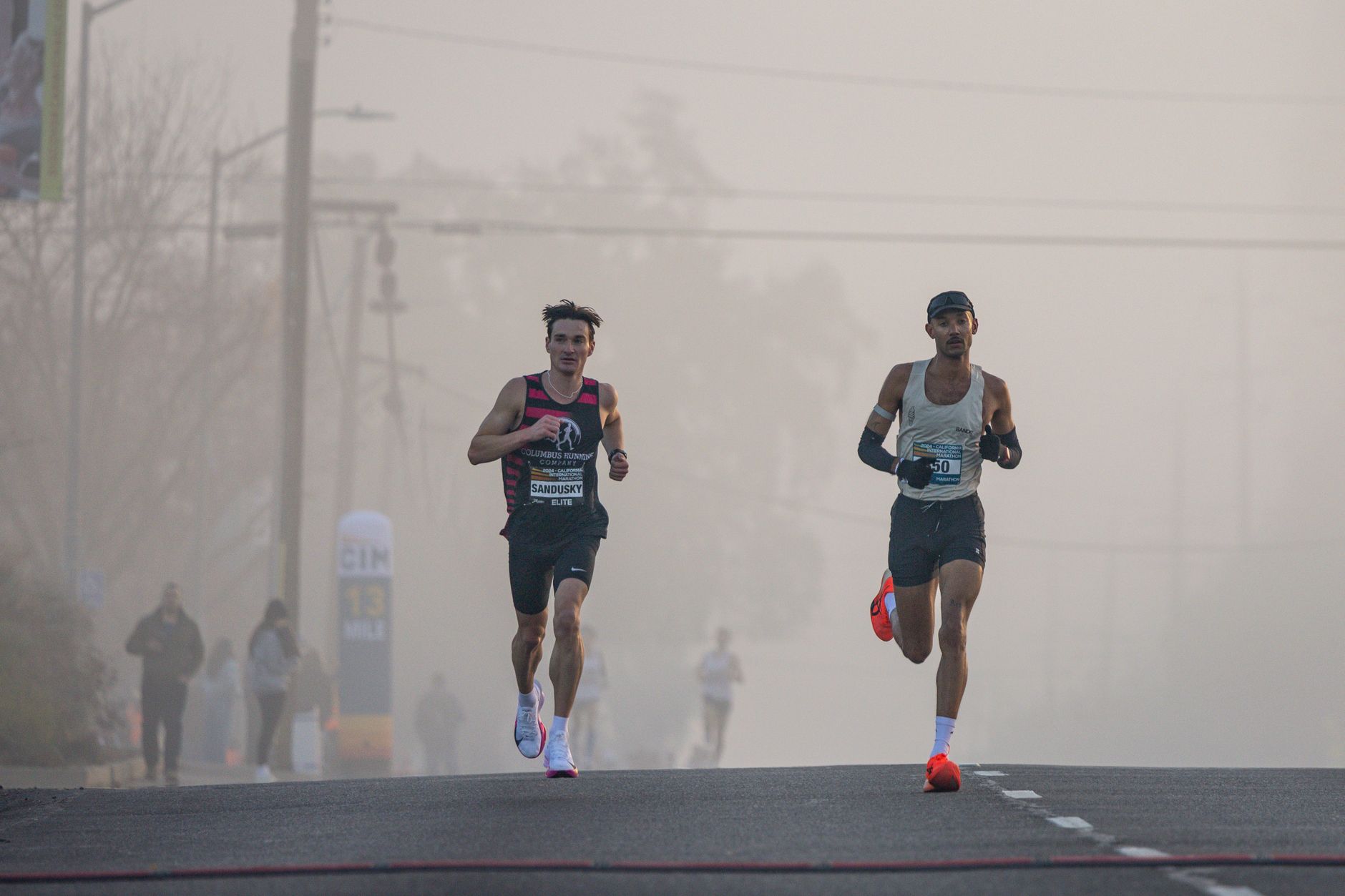
October 2026 brought new guidance for runners on strength, race-day air, heat, injury prevention and racing shoes. The practical shift is toward twice-weekly full-body strength, smarter warm-weather pacing, and checking shoe rules before fall marathons. Resistance training here means work against weights, bands, or body weight to build muscle and support running form. This update pulls those threads together into choices you can use for the rest of the fall season.
Medical information disclaimer: This article is for general educational purposes only and does not provide medical advice, diagnosis, or treatment. Always consult a physician or other qualified health professional about symptoms, medications, tests, or treatment decisions.
Table of Contents
- How should strength training change?
- Do air pollution and heat change race-day plans?
- What helps knees, shins and feet?
- Who needs medical planning and a shoe check?
How should strength training change?
According to the American College of Sports Medicine, runners should train all major muscles at least twice weekly and favor consistency over a perfect plan in the 2026 resistance-training update. That advice rests on 137 reviews covering more than 30,000 adults, its first such update since 2009. For runners, it means two full-body sessions beat one hard session followed by skipped weeks.
Harvard physicians gave a matching injury-prevention mix: lower-body strength plus balance and foot work two to three times weekly, sleep at least seven hours, and rotation of footwear in the Harvard injury-prevention guidance. Replace shoes at 300 to 500 miles or with visible wear, and rotate two pairs to vary stress. A simple week could pair two strength days with short balance and foot drills after easy runs.
Do air pollution and heat change race-day plans?
University of Leicester researchers analyzed 2,756,553 net times from Berlin, Boston, Chicago, London, New York and Tokyo from 2010 to 2024 in the September marathon air-pollution analysis. They found higher race-day nitrogen dioxide linked to slower finishes, with recreational runners slowed more than elites. That pattern matters most for mid-pack runners chasing a time goal on a high-traffic, still-air morning. The same Leicester team noted exposure came from start-area monitors rather than personal sensors, did not cover all pollutants like ozone, and could not track repeat runners.
So the result shows association, not personal dose. Treat a smoggy forecast as a reason to start conservatively, adjust expectations, and avoid surges early. Heat also rewrites what predicts performance, according to a Physiological Reports study summarized by Scienmag. The study tracked nearly 2,000 male finishers at Japan's cooler Tsukuba 2022 to 2023 marathons and hot August Hokkaido 2023 race. Fall runners facing an unseasonably warm race should add heat acclimation and choose conservative pacing from the start.
What helps knees, shins and feet?
Patellofemoral pain syndrome is pain around or behind the kneecap, common when mileage or downhill load rises. A retrospective cohort study published September 17, 2026 found hip-stability training versus standard care was associated with improved Q-angle and pain in marathon runners with this condition, as reported in the PLOS One knee-pain study. Q-angle is the knee-alignment angle often discussed in runner knee pain.
Because the design was retrospective, the finding supports trying hip-stability work but does not prove cause. Use that option alongside the basics that reduce foot, knee and shin problems. Harvard physicians pointed to shoe rotation, timely replacement, enough sleep, and regular lower-body, balance and foot work.
- Rotate two road pairs during heavy weeks
- Retire shoes at 300 to 500 miles or clear wear
- Protect at least seven hours of sleep
- Add strength, balance and foot work two to three times weekly
Who needs medical planning and a shoe check?
Poznan University researchers will present at EASD Milan September 28 to October 2, 2026 that people with type 1 diabetes using continuous glucose monitors completed marathons safely with times similar to non-diabetic runners. Continuous glucose monitors are wearable sensors that track sugar levels through the day.
The study was small, so individualized medical planning remains essential for insulin, fueling and race-day monitoring. World Athletics shoe rules approved December 2, 2025 and effective January 1, 2026 cap road-racing shoes at 40mm stack height with one rigid plate or rod. October 2026 marathoners should verify models on the official approved-shoe list before racing.