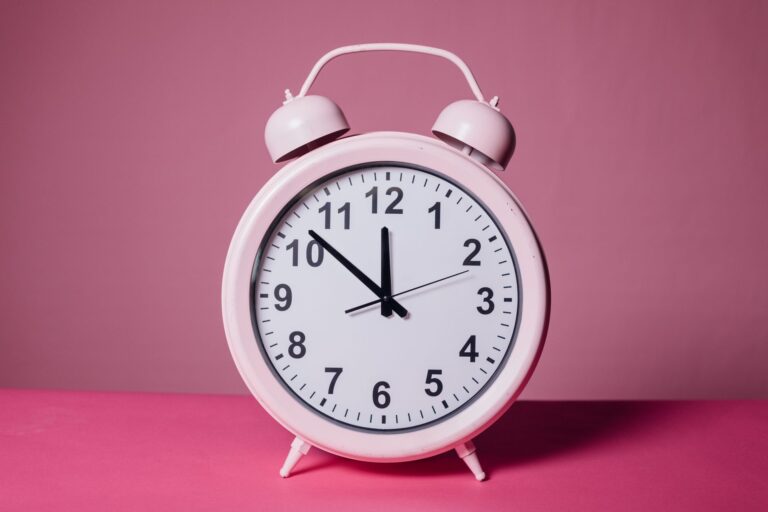
Exercise bikes improve sleep by reducing cortisol levels, stabilizing your circadian rhythm, and promoting deeper rest cycles through moderate-intensity cardio. When you ride an exercise bike three to five times per week, typically in the late afternoon or early evening, your body experiences improved sleep quality within two to three weeks. A runner who switched from purely running outdoors to adding three 30-minute exercise bike sessions weekly reported falling asleep 20 minutes faster and waking fewer times during the night.
The mechanism is straightforward: the sustained cardiovascular effort increases your core body temperature during the workout, and when that temperature drops afterward, your body interprets this cooling phase as a signal to enter sleep mode. Unlike running outdoors, an exercise bike eliminates variables like weather, terrain impact, and joint stress, making it easier to maintain consistency with the routine. This consistency is where the real sleep improvements come from, not from any single workout.
Table of Contents
- How Does Steady Cardio on an Exercise Bike Affect Sleep Quality?
- Timing Your Exercise Bike Sessions to Maximize Sleep Benefits
- Building Your Specific Exercise Bike Routine for Sleep
- Comparing Exercise Bike Sleep Benefits to Running and Other Cardio
- When Exercise Bike Routines Backfire: Overtraining and Sleep Disruption
- Recovery Nutrition and Hydration Alongside Your Bike Routine
- Maintaining Your Bike Routine Long-Term and Adjusting as You Progress
- Conclusion
- Frequently Asked Questions
How Does Steady Cardio on an Exercise Bike Affect Sleep Quality?
Steady, moderate-intensity cardio on an exercise bike works differently on your sleep than high-intensity interval training. When you maintain a consistent effort level at around 60 to 70 percent of your maximum heart rate for 30 to 45 minutes, your body releases more adenosine, a neurotransmitter that builds up during wakefulness and drives sleep pressure. High-intensity workouts, by contrast, elevate cortisol and adrenaline for longer periods, which can interfere with sleep if done too close to bedtime.
The exercise bike’s stable, repeatable nature makes it easier to hit this moderate zone consistently compared to running, where terrain and weather can cause unintended intensity spikes. Research on cardiac patients and everyday exercisers shows that moderate-intensity aerobic activity increases slow-wave sleep, the deepest stage where muscle repair and memory consolidation happen. A runner who added bike sessions found their REM sleep also improved, meaning both restorative and cognitive sleep stages benefited. The key difference between running and biking is that running’s impact on joints often keeps some people in a mild inflammatory state, whereas the bike’s low-impact nature allows better recovery overnight.

Timing Your Exercise Bike Sessions to Maximize Sleep Benefits
The time of day you ride your bike dramatically affects how well you sleep that night. Evening workouts, ideally between 4 and 6 PM, allow your core temperature to drop during your evening routine before bed, creating optimal conditions for sleep onset. Riding your bike at 7 PM or later can leave you too stimulated; your heart rate stays elevated, and if you shower immediately after, the post-shower cooldown timing disrupts the natural temperature-drop cycle. Morning or midday rides are excellent for overall rhythm setting but don’t provide the immediate sleep benefit of evening sessions.
One limitation many people encounter is overestimating how much cooling time they need. If you ride at 5 PM, you should be ready for bed around 9 to 9:30 PM, not immediately after. Your core temperature needs 60 to 90 minutes to drop sufficiently. Riding three times per week on non-consecutive days (such as Monday, Wednesday, and Friday) prevents overtraining and gives your body adequate recovery, whereas riding seven days a week can leave you chronically fatigued and paradoxically worsen sleep quality. A warning: if you have a sleep condition like sleep apnea, consult your doctor before increasing exercise intensity, because cardio changes breathing patterns at night.
Building Your Specific Exercise Bike Routine for Sleep
A straightforward sleep-optimized routine looks like this: Monday, Wednesday, and Friday, 35 to 45 minutes at a resistance level where you can sustain conversation but not sing, typically RPM around 80 to 100. Start with five minutes of easy pedaling, spend 30 minutes in your target zone, then cool down for five to ten minutes at very low resistance. This pattern works better than random-effort rides because your body adapts to the rhythm and anticipates recovery. Someone who had been running inconsistently found that scheduling these three weekly bike sessions at the same time each day created automatic sleep benefits within three weeks because the consistency itself reset their circadian rhythm.
The resistance and RPM matter less than the duration and consistency. A heavier resistance at lower RPM, compared to lighter resistance at high RPM, both deliver the same cardiovascular stimulus if the perceived effort is equal. However, lighter resistance and higher cadence (90 to 110 RPM) tends to feel easier on the knees and hips, making the workout more sustainable for people with joint concerns. Switching between these two styles weekly, say heavy-and-slow on Monday and light-and-fast on Wednesday, prevents adaptation plateau and maintains the sleep benefit.

Comparing Exercise Bike Sleep Benefits to Running and Other Cardio
Running outdoors remains an excellent sleep tool, but it carries injury risk and weather dependency that bikes eliminate. A runner training for a half-marathon who added bike work found they could run only twice per week without overuse injury while biking on their off-days, and their sleep actually improved because the bike provided active recovery cardiovascular work without repetitive impact stress. Swimming and rowing provide similar sleep benefits to biking, but bikes have a lower barrier to entry—most people have easier access to a stationary bike than to a pool or rowing facility. The tradeoff is that running develops different muscle groups and provides greater mental relief outdoors than an indoor bike.
Someone doing both activities might sleep better on nights after a trail run, due to the mental reset and novel environment, compared to a bike session. However, consistency trumps intensity for sleep purposes. If someone will stick with biking three times per week but only runs once per week due to scheduling, the bike routine delivers better sleep outcomes. Cycling also allows you to combine the session with entertainment—watching a show or reading (on stationary bikes with desk attachments)—making it easier to sustain effort for the full duration needed for sleep benefits.
When Exercise Bike Routines Backfire: Overtraining and Sleep Disruption
Riding your exercise bike more than five days per week, especially at higher intensities, often reduces sleep quality instead of improving it. Your sympathetic nervous system stays chronically elevated, cortisol fails to drop adequately at night, and you enter a state of overtraining syndrome where sleep becomes fragmented and non-restorative. Someone who attempted daily 60-minute bike sessions initially felt energized but within two weeks reported worse sleep, waking multiple times and feeling unrefreshed. Backing down to three sessions per week immediately restored their previous sleep quality. Another common mistake is riding too intensely too close to bedtime.
A hard interval session at 8 PM can keep you wired until midnight, even if you feel tired. Your nervous system is overstimulated despite physical fatigue. A warning for anyone with anxiety or racing-mind sleep issues: intense evening exercise sometimes exacerbates these problems rather than helping. Start with moderate-intensity rides, and if you notice your sleep worsens after increasing intensity, dial it back. Additionally, some people are naturally sensitive to afternoon caffeine timing; if you drink coffee or energy drinks before your bike session, the caffeine might linger in your system and offset the sleep benefits despite the exercise itself being beneficial.

Recovery Nutrition and Hydration Alongside Your Bike Routine
What you eat and drink after your bike session directly impacts whether the sleep benefit materializes. A light meal containing carbohydrates and protein within 30 to 60 minutes after riding helps stabilize blood sugar and supports muscle recovery, which promotes deeper sleep. Someone who added a banana with peanut butter after their evening bike session fell asleep faster than when they biked on an empty stomach. Heavy meals too close to bedtime, however, disrupt sleep by keeping your digestive system active, so eat early enough that digestion is mostly complete by bedtime.
Hydration matters equally. Riding for 40 minutes generates significant fluid loss, but overhydrating right before bed causes middle-of-the-night bathroom trips that fragment sleep. Drink most of your fluids during and immediately after the bike session, then taper intake one to two hours before bed. Someone who had fragmented sleep realized it was partly from drinking 20 ounces of water at 8 PM for a 9 PM bedtime; spreading that intake across the exercise session and early evening solved the problem.
Maintaining Your Bike Routine Long-Term and Adjusting as You Progress
Exercise bike routines work for sleep only if you sustain them. The sleep benefit isn’t permanent after a few weeks of biking; it decays if you stop. However, after three months of consistent biking, your baseline sleep quality improves even on days you don’t ride, suggesting your circadian rhythm and overall recovery capacity have shifted. The key to maintenance is treating the three weekly sessions as non-negotiable, like brushing your teeth, rather than optional workouts you squeeze in if time allows.
As your fitness improves, you can increase duration or intensity slightly without losing the sleep benefit, but more isn’t always better. Someone who started at 35 minutes per session eventually moved to 45 minutes and maintained excellent sleep, but attempts to reach 60 minutes triggered overtraining symptoms. The sweet spot for most people remains 35 to 50 minutes per session, three to five times per week. Technology like fitness trackers can help monitor your heart rate variability and recovery metrics, showing you whether your sleep and recovery are actually improving or whether overtraining is creeping in.
Conclusion
An exercise bike routine improves sleep through consistent moderate-intensity cardio that stabilizes your circadian rhythm, increases adenosine buildup, and creates a natural temperature-drop signal for sleep onset. Three to five weekly sessions of 35 to 45 minutes each, timed in the late afternoon or early evening, deliver noticeable sleep improvements within two to three weeks. The routine’s non-impact nature makes it accessible and sustainable compared to running alone, though the critical factor is consistency, not intensity.
Start with three sessions per week at a moderate pace where conversation is possible, schedule them on non-consecutive days, and allow 60 to 90 minutes between the end of your workout and bedtime. Monitor your sleep quality using a simple journal or sleep tracker, and back off if you notice increased fragmentation after raising frequency or intensity. The exercise bike routine works because it fits realistically into life and delivers repeatable results without injury risk, making it one of the most sustainable sleep-improvement strategies available.
Frequently Asked Questions
How quickly will my sleep improve if I start biking?
Most people notice better sleep quality within two to three weeks of consistent three-times-per-week sessions. Some see improvements within five to seven days, while others need four weeks. The consistency matters more than immediate results.
Can I bike every day and still get better sleep?
Probably not. Daily biking often leads to overtraining, elevated cortisol, and fragmented sleep. Three to five sessions per week with at least one rest day between workouts is the sweet spot for most people.
What if I can only bike in the morning or midday?
Morning and midday biking still improve overall sleep through circadian rhythm regulation and general fitness benefits, but the immediate sleep-inducing effect of the temperature drop is lost. You’ll see sleep improvements but typically less dramatic than evening sessions.
Should I stop running and only bike?
No. Combining running twice per week with biking twice per week provides more complete fitness and often better sleep than either alone. The bike serves as active recovery and supplements your running routine.
What resistance level should I use?
Use a resistance where you can sustain steady effort for 30 to 45 minutes without stopping. You should be breathing hard enough that conversation is difficult but not so hard that you’re gasping. Most people find this is between 80 and 100 RPM with moderate resistance.
Can an exercise bike routine fix severe insomnia?
Consistent biking improves sleep for most people with mild to moderate sleep issues, but severe insomnia often requires multiple approaches including sleep hygiene, therapy, or medical evaluation. Talk to a doctor before relying solely on exercise for serious sleep disorders.