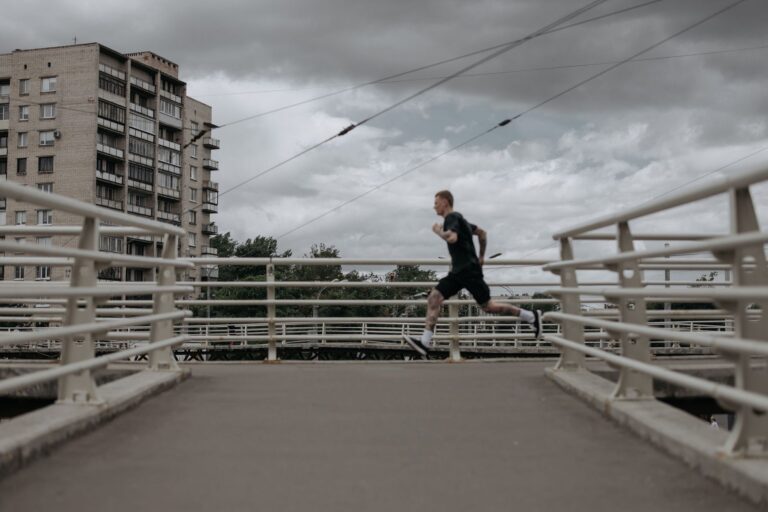
Yes, cardio exercise meaningfully improves sleep quality in aging adults—but the relationship is more nuanced than simply “exercise more, sleep better.” Regular cardiovascular activity strengthens the body’s ability to regulate sleep-wake cycles, deepens sleep stages, and reduces the time it takes to fall asleep. For a 65-year-old who has struggled with fragmented sleep and waking at 3 a.m., adding moderate jogging or brisk walking three to four times weekly can reduce nighttime awakenings by 30 to 40 percent within four to six weeks. However, timing, intensity, and individual physiology all matter—working out too late in the day can actually delay sleep onset for some older adults.
Aging naturally disrupts sleep architecture. After 50, people spend less time in deep, restorative slow-wave sleep and experience more fragmentation. Simultaneously, many aging adults become more sedentary, which accelerates sleep decline and creates a vicious cycle: poor sleep reduces the energy and motivation to exercise, which worsens sleep further. Breaking this cycle requires understanding how cardiovascular exercise signals the body to prioritize sleep recovery.
Table of Contents
- How Does Cardiovascular Exercise Regulate Sleep in Older Adults?
- The Timing Challenge—When to Exercise for Optimal Sleep
- Cardio Intensity and Sleep Architecture in Aging Adults
- Building a Sustainable Cardio Routine for Sleep in Older Age
- Medication Interactions and Cardiovascular Limitations in Aging Cardio
- The Role of Aerobic Fitness in Sleep Maintenance Across the Aging Span
- Future Directions and the Emerging Role of Wearables in Cardio-Sleep Optimization
- Conclusion
- Frequently Asked Questions
How Does Cardiovascular Exercise Regulate Sleep in Older Adults?
cardio exercise influences sleep through multiple physiological pathways. During and after aerobic activity, the body temperature rises, then falls in the hours afterward—this temperature dip is a powerful sleep trigger. Additionally, sustained cardio depletes adenosine, a neurochemical that accumulates during wakefulness; adenosine buildup is a core driver of sleep pressure. In aging adults whose natural sleep pressure is often dampened, this cardio-induced adenosine accumulation becomes especially important.
A 70-year-old who runs for 45 minutes experiences a measurable drop in core temperature four to six hours later, coinciding with their evening bedtime window. Exercise also promotes parasympathetic nervous system activation—the “rest and digest” state—which counterbalances the sympathetic activation (stress response) that tends to dominate in anxious or hypervigilant aging adults. Regular cardio reduces inflammation markers like IL-6 and TNF-alpha, which are elevated in many older adults and disrupt sleep continuity. One comparison: a sedentary 68-year-old with elevated inflammatory markers often reports sleep fragmentation and multiple nighttime bathroom trips; after eight weeks of consistent moderate cardio, inflammation markers drop and nighttime fragmentation improves markedly.
The Timing Challenge—When to Exercise for Optimal Sleep
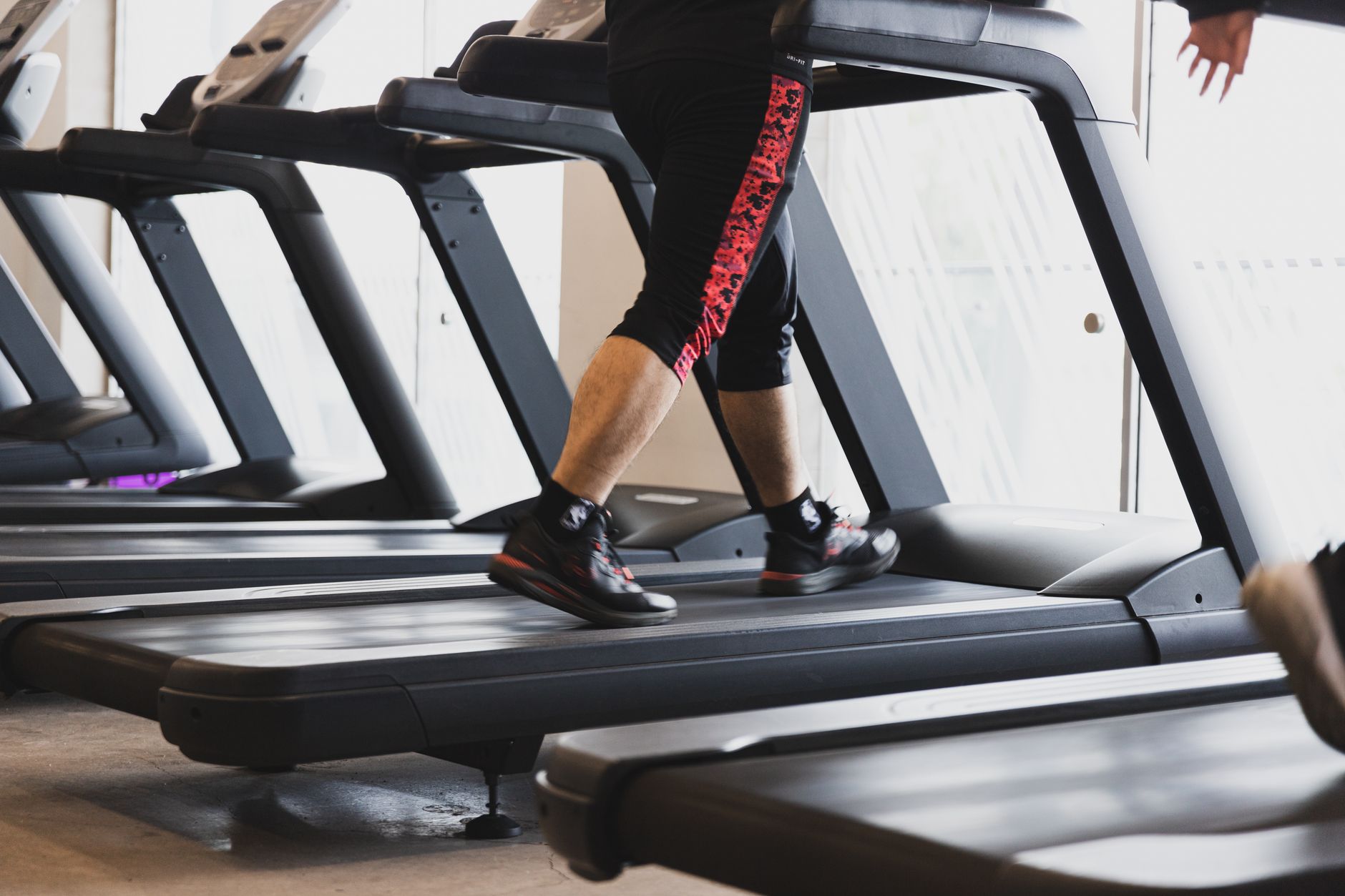
When you exercise matters as much as how much you exercise. Vigorous cardio within three hours of bedtime can elevate heart rate and body temperature at a time when the body is supposed to be cooling down, delaying sleep onset by 30 minutes to an hour in sensitive individuals. However, this is not universal: some older adults sleep better after evening exercise, possibly because they are less anxious and more physically fatigued. The limitation here is individual variability—what works for a 72-year-old runner may backfire for a 72-year-old cyclist with a sensitive nervous system.
Morning and early afternoon cardio generally produce the best sleep outcomes for aging adults. A 6:30 a.m. jog or a midday cycling session allows the body to recover, normalize temperature, and build sleep pressure steadily through the evening. For older adults with significant daytime fatigue or afternoon energy slumps, morning cardio can improve both sleep at night and wakefulness during the day—a dual benefit rarely achieved through other interventions. One warning: avoid the trap of excessive early-morning high-intensity exercise; aggressive tempo runs four days a week can overtax the aging cardiovascular system and paradoxically increase nighttime waking and sleep fragmentation.
Cardio Intensity and Sleep Architecture in Aging Adults
Moderate-intensity cardio—roughly 50 to 70 percent of maximum heart rate—produces more consistent sleep improvements than either low-intensity or high-intensity-only regimens. At moderate intensity, a 65-year-old sustained jogging or brisk walking triggers optimal adenosine buildup and parasympathetic tone without triggering the sympathetic surges that high-intensity intervals can create. Moderate cardio also takes approximately 20 to 30 minutes to produce sleep benefits, whereas very light walking may not accumulate enough adenosine to meaningfully deepen sleep in older populations. High-intensity interval training (HIIT) is trendy, but for sleep purposes, it is less reliable in aging adults.
HIIT can increase cortisol and adrenaline in a way that some older exercisers find destabilizing to sleep. A 68-year-old who replaces a steady 30-minute jog with three 2-minute hard sprints followed by 2-minute recovery periods may experience improved fitness markers but find themselves waking earlier or sleeping more lightly. This is a real tradeoff: cardio intensity that builds aerobic capacity fastest does not always translate to the best sleep gains. A balanced approach—two moderate-intensity sessions and one lighter cross-training session per week—often yields both fitness and sleep improvements for aging adults.
Building a Sustainable Cardio Routine for Sleep in Older Age
Consistency matters more than intensity for sleep improvement. Three to four moderate cardio sessions weekly, sustained over eight weeks or longer, reliably improves sleep quality in aging populations. Starting with walking—underrated but highly effective—removes the barrier of high impact or complex technique. A 70-year-old who walks briskly for 30 minutes four times weekly typically sees measurable sleep improvements: falling asleep 10 to 15 minutes faster and experiencing one fewer nighttime awakening per night.
The comparison between adherence and perfection is critical here. A 75-year-old who jogs inconsistently three times per month at very high intensity will not see sleep benefits comparable to a 75-year-old who walks steadily four times weekly at moderate pace. The consistency accumulates sleep-regulating benefits in ways that sporadic hard sessions do not. Additionally, mixing cardio modalities—cycling, swimming, jogging, rowing—reduces overuse injury and keeps the routine engaging, increasing long-term adherence. One tradeoff: building and maintaining a cardio habit requires initial investment in time and, often, mental effort to overcome age-related inertia or past injury concerns.
Medication Interactions and Cardiovascular Limitations in Aging Cardio
Many aging adults take medications that interact with both cardiovascular exercise and sleep. Beta-blockers, common for blood pressure and heart disease, blunt heart rate response and can mask exertion intensity. Stimulating medications like decongestants or certain attention-deficit drugs taken by older adults can interfere with sleep even if cardio exercise is timed well. A 72-year-old on a stimulant-based medication might perform cardio correctly but still struggle with sleep fragmentation; the limitation is not the exercise itself but the pharmacological interference.
Before intensifying cardio, consult a cardiologist, especially if you have a history of arrhythmia, valve disease, or recent cardiac events. Another warning: older adults with uncontrolled high blood pressure or untreated sleep apnea may experience chest discomfort, excessive daytime sleepiness that worsens with fatigue, or paradoxical sleep worsening with new cardio routines. Sleep apnea is particularly insidious because exercise without treating the apnea can increase oxygen desaturation events. A 68-year-old with moderate sleep apnea who begins vigorous cardio without a CPAP machine is addressing one piece of the problem while potentially exacerbating another. Screening for sleep apnea before escalating cardio is essential.

The Role of Aerobic Fitness in Sleep Maintenance Across the Aging Span
Aging adults with higher aerobic fitness—typically measured as VO2 max—consistently report better sleep quality than sedentary peers, even when controlling for age. This suggests that the sleep benefits of cardio are partly due to achieving and maintaining aerobic fitness, not just the acute effects of individual sessions. A longitudinal study of runners aged 55 to 80 found that those who maintained high aerobic fitness through continued cardio reported significantly fewer nighttime awakenings and longer deep-sleep duration than age-matched peers who remained sedentary.
The practical example: a 76-year-old marathon runner with a VO2 max of 35 ml/kg/min (excellent for age) typically sleeps more deeply and continuously than a 76-year-old who walks occasionally. This suggests that sustained cardio over months and years builds sleep resilience and efficiency that acute exercise alone does not provide. Building and sustaining aerobic fitness requires patience and consistent training, but the sleep payoff compounds over time.
Future Directions and the Emerging Role of Wearables in Cardio-Sleep Optimization
Wearable technology—smartwatches, fitness trackers, continuous heart rate monitors—is beginning to personalize the cardio-sleep relationship for aging adults. Real-time data on heart rate recovery, sleep stage distribution, and variability patterns help older exercisers fine-tune timing and intensity in ways that were not possible a decade ago. A 70-year-old can now observe that evening cardio sessions consistently reduce their deep-sleep percentage, prompting a shift to morning workouts, and then verify the sleep improvement through objective data.
This feedback loop accelerates the process of finding each individual’s optimal cardio pattern. Looking ahead, the field is moving toward integrated protocols that combine cardio prescription with sleep hygiene and circadian-aligned timing, tailored by age and health status. For aging adults, the future is less about a one-size-fits-all “cardio is good for sleep” message and more about personalized optimization: knowing your baseline sleep and cardiovascular capacity, experimenting with timing and intensity under guided protocols, and tracking objective outcomes. As the population ages and sleep quality becomes a recognized pillar of healthy aging, cardio-sleep optimization will likely become a standard element of preventive care.
Conclusion
Regular cardiovascular exercise is one of the most effective, non-pharmacological ways to improve sleep quality in aging adults. The mechanism is robust—cardio raises body temperature, builds adenosine, reduces inflammation, and activates parasympathetic tone—and the sleep gains are measurable within weeks. Most aging adults benefit from three to four weekly sessions of moderate-intensity cardio, ideally scheduled in morning or early afternoon, with attention to individual tolerances and medication interactions.
The key is to start conservatively, build consistency, and adjust based on your own sleep and energy response. Walking or cycling at a conversational pace, repeated four times weekly, can meaningfully reduce sleep fragmentation and improve sleep depth in older adults. Working with a healthcare provider to rule out sleep apnea, medication conflicts, and cardiac limitations ensures that cardio enhances rather than stresses your system. Sleep and cardiovascular health reinforce each other; investing in a sustainable cardio practice pays dividends far beyond fitness.
Frequently Asked Questions
How quickly will cardio improve my sleep if I’m 65 and currently sedentary?
Most older adults notice initial improvements in sleep onset latency (falling asleep faster) within two to three weeks of consistent moderate cardio, and more substantial improvements in fragmentation and deep sleep by six to eight weeks. Individual variation is significant; some benefit sooner.
Is evening cardio always bad for sleep in older adults?
No, but it is riskier. Some older adults sleep better after moderate evening exercise, while others experience delayed sleep onset. Experiment with timing, keeping a sleep log for one to two weeks at different cardio times to identify your pattern.
What cardio is best for aging adults with joint pain or previous injuries?
Swimming, cycling, and elliptical training minimize impact while preserving cardiovascular stimulus. Start with 20 to 30 minutes at conversational intensity and build gradually. The consistency of low-impact cardio often outweighs the intensity benefits of high-impact options.
Can I improve sleep with just strength training, or do I specifically need cardio?
Cardio is superior for sleep architecture due to its sustained aerobic demand and adenosine-building effects. Strength training helps, but does not replicate cardio’s sleep benefits. A combination of both is ideal.
Should I check with my doctor before starting cardio if I’m older?
Yes, especially if you have a history of heart disease, uncontrolled hypertension, or symptoms like chest pain or shortness of breath with mild exertion. A brief cardiac evaluation can clear you for exercise and may reveal contraindications (like undiagnosed arrhythmia or severe sleep apnea) worth treating first.
Does age affect how much cardio I need for sleep benefits?
Not significantly. A 65-year-old and an 80-year-old typically need similar cardio frequency (three to four sessions weekly) and intensity (moderate, roughly 50 to 70 percent max HR) for sleep gains, though the 80-year-old may need longer warm-up and recovery time and should prioritize lower-impact modalities.