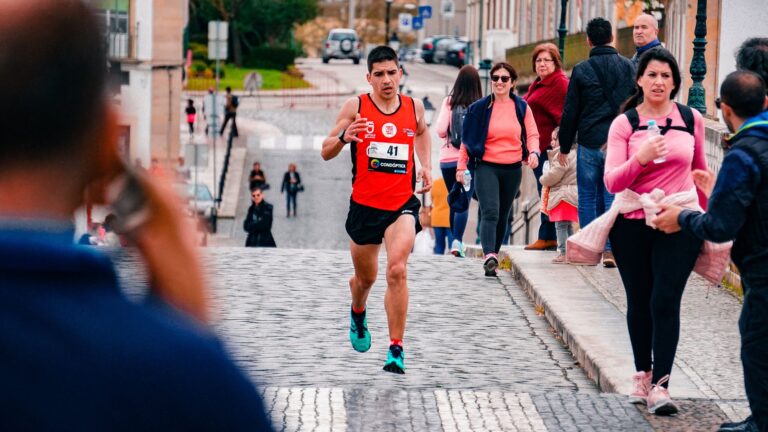
The best pace for running 10 miles depends on your fitness level and experience, but most runners should target between 9:00 and 10:30 per mile for a sustainable, enjoyable long run. This range allows you to maintain steady effort without overexerting yourself, which means you can complete the distance without hitting a wall or spending the next two days in recovery. A runner training for a marathon, for example, might aim for 10:15 per mile on their long runs to build endurance while staying below their lactate threshold, whereas someone running 10 miles as a personal challenge might go slightly faster at 9:00 to 9:30 per mile if they have the aerobic base to support it. The pace that works for you isn’t determined by what’s “good”—it’s determined by what you can sustain for the entire distance while still being able to hold a conversation.
If you’re gasping for breath by mile three, you’ve gone too fast. If you feel like you could sprint the final two miles, you’ve probably gone too slow. The goal with a 10-mile run is consistency and completion, not speed. Most runners who jump into 10-mile distances without building up properly either crash before the finish or suffer with injury, which is why pacing conservatively on your first few 10-milers matters more than your actual clock time.
Table of Contents
- What Pace Should You Run for a 10-Mile Long Run?
- Finding Your Aerobic Sweet Spot for Endurance Running
- How Racing Goals Change Your 10-Mile Pacing Strategy
- Practical Pacing Strategies for Hitting Your Target Speed
- The Bonk Risk and Fueling Considerations at 10 Miles
- Adjusting Pace for Terrain, Weather, and Course Conditions
- Building Up to 10 Miles: When to Attempt This Distance
- Conclusion
- Frequently Asked Questions
What Pace Should You Run for a 10-Mile Long Run?
For most recreational runners, a sustainable 10-mile pace falls between 9:00 and 10:30 per mile. This isn’t arbitrary—it’s the range where most people can maintain an aerobic pace without depleting glycogen stores or accumulating lactate too quickly. If your 5K race pace is around 8:00 per mile, your 10-mile long run pace should be roughly 1:30 to 2:00 minutes slower, which puts you at 9:30 to 10:00 per mile.
The logic is straightforward: shorter distances allow for faster speeds because you’re running anaerobically for shorter periods; longer distances require you to dial back effort and rely purely on aerobic fitness, where heart rate, breathing, and comfort matter more than the clock. A concrete example: A runner who can complete a 5K in 24 minutes (8:00 pace) might run her 10-mile training runs at 9:45 per mile. That’s nearly two full minutes per mile slower than her race pace, but it’s the speed that lets her finish all 10 miles without bonking, stay injury-free, and still have energy for her next workout three days later. Compare this to someone who’s brand new to distance running—maybe their comfortable easy-run pace is 11:00 per mile overall, so their 10-mile pace would stay right around there or even slower at first, at 11:15 to 11:30 per mile.
Finding Your Aerobic Sweet Spot for Endurance Running
The science behind pacing comes down to energy systems. For runs longer than 90 minutes, you’re operating primarily in your aerobic zone, which means your body is burning fat and carbohydrates at a rate it can sustain without gasping. Your lactate threshold—the point where lactate accumulates faster than your body can clear it—happens at a higher speed than your easy-run pace but lower than your race pace. For a 10-mile run, you want to stay comfortably below lactate threshold, which for most runners means 60 to 75 percent of max heart rate, or roughly 2:00 to 2:30 minutes per mile slower than your 5K pace.
One limitation to watch: many runners use app-based pace calculators that suggest “long run pace” based on their 5K time, and these calculators don’t account for your current fitness, age, or how much base mileage you’ve built. A 50-year-old runner who’s been running consistently for 10 years might handle a slightly faster 10-mile pace than a 25-year-old recreational runner who just started six months ago, even if their 5K times are identical. The calculator says go 9:30, but if you’re tired from work, your legs feel heavy, or you’ve been running high mileage that week, your best pace that day might be 10:15 instead. Listen to effort over the watch.
How Racing Goals Change Your 10-Mile Pacing Strategy
If you’re training for a marathon, your 10-mile runs serve a specific purpose: to build aerobic capacity and teach your body to move efficiently for hours. In this context, your long-run pace is almost always slower than your goal marathon pace. A runner aiming to complete a marathon in 4:00 (9:09 per mile) would run most of their long runs around 9:45 to 10:15 per mile. This slower pace builds the cardiovascular and muscular endurance needed without the pounding and recovery demand of marathon-effort running.
If you’re training for a half-marathon or 10K race, a 10-mile run might be done at a faster clip, perhaps 30 to 60 seconds per mile slower than your goal race pace rather than two minutes slower. For example, if your half-marathon goal is 1:45 (8:00 pace), you might run a 10-mile workout at 8:45 to 9:00 per mile. But here’s the limitation: this faster pacing is only appropriate if you’re already running 25+ miles per week and have built a solid base. Jumping to 10-mile runs at 8:45 pace when you’ve been running 12 miles per week is a recipe for injury or burnout.

Practical Pacing Strategies for Hitting Your Target Speed
The most effective way to hit a target pace on a 10-mile run is to use mile markers or a GPS watch and aim for consistency rather than precision. Instead of obsessing over whether you’re at 9:47 or 9:52, aim for a narrow band—say, 9:30 to 9:50—and let each mile fall naturally within that range. This approach reduces mental fatigue and lets you focus on effort and how your body feels. Many runners find their best pace by running the first mile at conversational, easy effort, then checking their watch. Whatever pace shows up in mile one is usually your sustainable pace for the whole run, assuming you started fresh and didn’t go out too fast.
A practical comparison: tempo-run pacing and long-run pacing feel completely different. On a tempo run at 8:30 per mile, you’re working hard—you could speak a sentence but not have a full conversation. On a 10-mile run at 9:45 per mile, you should be able to chat freely for most of the run. If you’re huffing and puffing at mile five of your 10-miler, you’ve misjudged your pace and should slow down. There’s no prize for suffering through a long run too fast; in fact, it increases injury risk and delays your recovery from the workout.
The Bonk Risk and Fueling Considerations at 10 Miles
Running 10 miles takes 90 to 115 minutes for most recreational runners, and at that duration, glycogen depletion becomes a real concern, especially if you haven’t eaten properly in the hours before your run. If you’re running at 10:00 pace and haven’t had adequate carbs the night before or breakfast a couple hours before the run, you can hit the wall around mile seven or eight, where your legs suddenly feel heavy and your pace falls apart. This is the bonk, and it’s more likely to happen when you’re running too fast relative to your current fitness.
A warning worth heeding: many runners believe they should run completely fasted for long runs to “train” their fat-burning abilities. This approach sometimes works for experienced ultra-runners or for runs under 90 minutes, but for 10-mile runs, especially if you’re going faster than 10:00 per mile, running fasted significantly increases bonk risk. You don’t need a whole meal; 100 to 200 calories of carbs 60 to 90 minutes before your run, or a simple gel or banana during the run, can be the difference between feeling strong at mile nine and hitting a wall.

Adjusting Pace for Terrain, Weather, and Course Conditions
The 10-mile pace that works on a flat, road loop won’t work on a hilly trail. A runner who maintains 9:30 per mile on roads should expect to run closer to 10:30 to 11:00 per mile on a rolling trail, and that’s perfectly fine—it’s the same effort, just at a different speed due to gravity. Hot, humid weather also slows you down. On an 85-degree day with 70 percent humidity, add 30 to 60 seconds per mile to your target pace compared to a cool, dry day.
Some runners make the mistake of forcing their usual pace on a hot day, which leads to overheating and early fatigue. A specific example: a runner accustomed to 9:45 per mile on a flat road course might run a 10-mile loop through hilly terrain at 10:45 per mile and feel exactly the same level of effort. If they tried to maintain 9:45 on the hills, they’d either blow up by mile six or get injured from the extra impact and quad stress. Weather and terrain aren’t excuses to slow down; they’re information about what your body can actually handle that day.
Building Up to 10 Miles: When to Attempt This Distance
Most running coaches recommend following the 10 percent rule when building long-run distance: increase your weekly long run by no more than 10 percent each week. This means jumping from 8 miles to 10 miles in a single week is risky; a safer approach is 8 miles one week, 8.8 miles the next, then 9.7 miles, then 10 miles. This gives your body time to adapt and reduces injury risk significantly.
As running evolves, the understanding of pacing for distance continues to improve. More runners are experimenting with “polarized” training, where they run most easy runs slower than traditional training plans suggest, reserving higher intensities for dedicated workout days. This shift suggests that many runners have been running their long runs too fast, which explains why injuries plateau at 10 to 12 miles for so many people. If you’re planning your first 10-mile run or struggling with pacing, erring on the side of slower is almost always the right call.
Conclusion
The best pace for running 10 miles is the pace you can sustain for the entire distance while maintaining good form and finishing with something left in the tank. For most runners, this lands between 9:00 and 10:30 per mile, with most people settling around 9:30 to 10:15. The exact pace depends on your fitness level, training goals, terrain, and how you’re feeling that day. What matters more than hitting a specific number is understanding how to gauge effort—can you hold a conversation, does your breathing feel controlled, are your legs moving smoothly—and adjusting your speed accordingly.
Your next 10-mile run should be paced conservatively, especially if it’s your first time hitting that distance. Start the first mile easy, check your watch, and let that pace carry you through. If the run feels hard, slow down—there’s no shame in running 10:45 per mile when you planned for 9:45 if your body is telling you that’s what it needs that day. Focus on consistency, on finishing strong, and on logging the miles. Speed will come naturally once you’ve built the aerobic base and logged several 10-mile runs at a comfortable effort.
Frequently Asked Questions
Is it better to run 10 miles slowly or run fewer miles faster?
Run the 10 miles at a sustainable pace. Long runs build aerobic capacity and muscular endurance, which comes from time on your feet, not speed. Running eight miles at a hard pace doesn’t deliver the same fitness benefit as running 10 miles at a comfortable pace.
How do I know if I’m running my 10 miles too fast?
You should be able to speak in full sentences throughout most of the run. If you can only say a few words before needing to catch your breath, you’re going too fast. Slow down—your fitness will improve faster with proper pacing than it will with too-hard running.
Should I fuel during a 10-mile run?
Not always necessary, but it helps if you’re running faster than 10:00 per mile or if your run is longer than two hours total. A gel or sports drink around mile four or five can prevent the bonk and make the final miles feel much easier.
Does running 10 miles damage your knees?
Properly paced and built-up running doesn’t damage knees. The risk comes from running too fast relative to your training base, jumping distance too quickly, or running on inadequate recovery. Follow the 10 percent rule, run at sustainable paces, and most runners handle 10 miles without injury.
Can beginners run 10 miles?
Yes, but not immediately. Most beginners should build a base of 15 to 20 miles per week for several months before attempting a 10-mile run. This gives your joints, ligaments, and muscles time to adapt and reduces injury risk significantly.
What’s the difference between a 10-mile long run and a 10-mile race?
A long run is done at a sustainable, conversational pace and is meant to build endurance. A race is done at near-maximum effort for the entire distance. Your race pace will be 60 to 90 seconds per mile faster than your long-run pace, assuming you’re racing at a distance (10K or longer) where your aerobic system dominates.