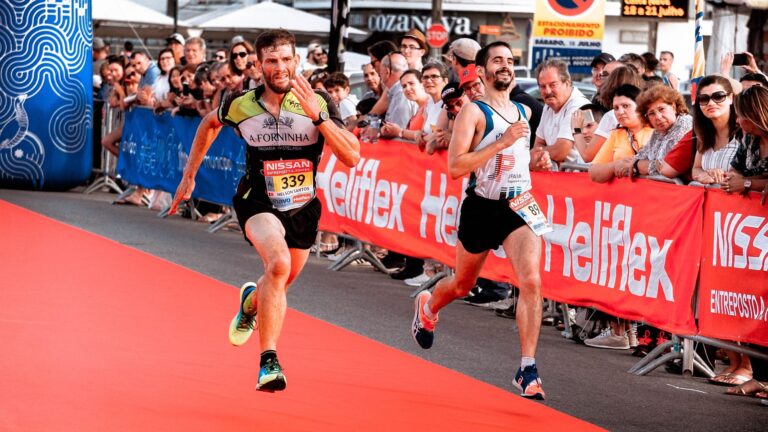
Sun-protective running clothing rated UPF 50+ blocks about 98% of ultraviolet radiation, making it the most reliable single layer of sun defense for runners. UPF, or Ultraviolet Protection Factor, measures how much UV a fabric lets through; a UPF 50 garment allows roughly 1/50 (2%) of UV to reach your skin, per the Skin Cancer Foundation. This guide explains what the rating means, which fabrics and features to look for, and an important catch for runners: many fabrics protect less when wet or stretched. Use it to choose a long-sleeve top, hat, and layering plan that hold up on real training days.
Medical information disclaimer: This article is for general educational purposes only and does not provide medical advice, diagnosis, or treatment. Always consult a physician or other qualified health professional about symptoms, medications, tests, or treatment decisions.
Table of Contents
- What UPF 50+ actually means
- Which fabrics and colors protect best
- Can you trust the UPF label?
- The wet-fabric catch every runner should know
- Building a full running sun-protection kit
- Frequently Asked Questions
What UPF 50+ actually means
UPF rates fabric, not sunscreen. SPF measures how sunscreen slows burning from UVB; UPF measures the fraction of both UVA and UVB a fabric blocks. A UPF 50 shirt transmits about 2% of UV, blocking around 98%. Ratings fall into tiers.
The Cleveland Clinic, citing the American Academy of Dermatology, notes UPF 15–24 counts as good, 25–39 very good, and 40–50+ excellent. Only fabric that lets under 2% of UV through earns the top "UPF 50+" label. If you want a clear buying shortcut, look for the Skin Cancer Foundation's Seal of Recommendation. It requires a minimum UPF of 50, meaning at least 98% of UV blocked, per the Skin Cancer Foundation.
Which fabrics and colors protect best
Fabric construction drives UV protection more than any logo. Tighter weaves, darker colors, and synthetic fibers all raise a garment's rating.
The MD Anderson Cancer Center reports that polyester and nylon block UV better than cotton — which suits most technical running gear, since it is already built from those fibers. That gives runners a practical checklist when reading a product page or feeling a garment in hand: A printed UPF rating carries more weight than marketing language. US testing follows standardized methods, so a labeled number reflects lab measurement, not a guess.
- Choose polyester or nylon over cotton blends.
- Favor a tight, dense weave over loose, sheer mesh.
- Pick deeper colors when heat allows; they absorb more UV.
- Confirm a stated UPF number rather than a vague "sun-protective" claim.
Can you trust the UPF label?
Yes, when the number comes from standardized testing. In the US, UPF is measured with a spectrophotometer under AATCC 183, aged through simulated laundering, sun, and chlorine exposure under ASTM D6544, and labeled under ASTM D6603. Eurofins explains that this means ratings reflect worn and washed garments, not just fresh-off-the-loom fabric.
That aging step matters for gear you will wear dozens of times. A rating built on a laundered sample better predicts how your shirt performs after a season of washes than a new-fabric-only number would. Still, a label describes the garment in controlled conditions. It does not account for how you actually use the piece on a hot, sweaty run — which is the next issue.
The wet-fabric catch every runner should know
Here is the caveat that separates running from casual wear: many fabrics lose protection when wet. The Skin Cancer Foundation notes UPF can drop by as much as half with sweat or water, and stretching a garment also lowers its rating. For a runner, both conditions happen at once. Sweat saturates fabric, and a fitted top stretches across your shoulders and back.
A shirt tested at UPF 50 could effectively perform closer to UPF 25 mid-run. Two adjustments help. Choose a looser, lightweight long-sleeve cut so fabric stretches less and airflow limits soaking; the AAD, via the CDC, recommends loose, long-sleeved coverage because airflow aids cooling while covering skin. And keep sunscreen on exposed areas — face, neck, hands — reapplied every two hours or after heavy sweating.
Building a full running sun-protection kit
Clothing is the strongest single form of sun protection, but it works best as part of a system. The CDC advises protective clothing, a wide-brim hat, wraparound UV sunglasses, shade, and SPF 15+ sunscreen whenever the UV index is 3 or higher.
This matters because outdoor runners log high UV exposure yet often underuse protection. An NIH review found runners have low "skin-cancer literacy" and underuse both sunscreen and protective behaviors — a practical reason to lead with UPF apparel and add hats and reapplied sunscreen. A workable running kit looks like this: For product examples and current recommendations, the Skin Cancer Foundation's sun-protective clothing page lists garments that meet its UPF 50 standard.
- A UPF 50+ long-sleeve top, loose enough to keep airflow.
- A brimmed running hat or cap with neck coverage.
- Wraparound UV-blocking sunglasses.
- Sweat-resistant SPF 15+ sunscreen for face, neck, and hands.
- A plan to reapply sunscreen every two hours on long efforts.
Frequently Asked Questions
Does a UPF 50 shirt still protect me once it's soaked with sweat?
Often less than the label states. The Skin Cancer Foundation notes UPF can fall by up to half when fabric is wet, so pair it with sunscreen on exposed skin.
Is regular polyester running gear sun-protective without a UPF label?
Synthetics block UV better than cotton, but without a tested UPF number you can't know the level. Look for a printed rating and, ideally, the Skin Cancer Foundation Seal.
Do I still need sunscreen if I wear UPF 50+ clothing?
Yes. Clothing covers only what it covers; the CDC advises SPF 15+ on the face, neck, and hands, reapplied every two hours or after heavy sweating.