Yes, snow shoveling poses a genuine and documented risk to your heart. Every winter season brings the same pattern: emergency rooms report increased cardiac events, and news headlines warn about snow-related deaths. The danger is not exaggerated—research confirms that the combination of heavy physical exertion in frigid temperatures significantly elevates your risk of heart attack, particularly for men and older adults. In February 2026 alone, three people in Pennsylvania’s Lehigh County died from cardiac events while shoveling snow, all between ages 60 and 84, demonstrating that this is not a theoretical risk but a real threat that claims lives each winter.
The problem stems from three converging physiological stressors that occur simultaneously when you shovel: your heart works much harder during this intense physical activity, the cold constricts your blood vessels and increases blood pressure, and the weight and resistance of the snow itself creates an additional burden on your cardiovascular system. A person shoveling wet, heavy snow is essentially performing a sudden, unplanned burst of strenuous exercise—something they may not be conditioned for—while their body simultaneously fights the effects of below-freezing temperatures. Understanding these risks is not about preventing you from clearing your driveway, but rather about knowing how to do it safely. For people with existing heart conditions, or those who are sedentary or over a certain age, shoveling snow requires specific precautions and awareness. For everyone else, knowing the warning signs and proper technique can make the difference between a manageable task and a medical emergency.
Table of Contents
- How Cold Weather and Physical Exertion Combine to Stress Your Heart
- Heart Attack Risk Statistics: What the Research Shows
- Who is Most Vulnerable to Snow Shoveling Heart Risk?
- How to Shovel Snow Safely: Proper Techniques and Alternatives
- Temperature, Duration, and Other Cumulative Risk Factors
- Recognizing Warning Signs During Snow Shoveling
- Planning Ahead: Preparation and Alternatives to Shoveling
- Conclusion
How Cold Weather and Physical Exertion Combine to Stress Your Heart
Snow shoveling creates a perfect storm for cardiac stress because two major risk factors occur at the same time. Canadian research found that just 7-8 inches of snow increases heart attack risk by 16% in men, with an even more alarming 34% increase in mortality risk. Women show much lower elevations in both metrics (1% increased heart attack risk and 4% increased mortality risk), suggesting that men may be either more vulnerable to these stressors or more likely to engage in intense shoveling without protective measures. The temperature itself matters independently of the shoveling: for every 2-degree drop in temperature below freezing, heart attack risk increases by approximately 2%, with this elevated risk persisting for about 28 days into the cold spell.
What makes this combination particularly dangerous is that cold temperatures cause blood vessels to constrict, raising blood pressure and making the heart work harder to pump blood through narrower vessels. Simultaneously, shoveling demands sudden, intense physical effort—often performed by people who have done no warm-up and may not exercise regularly. Someone who sits at a desk all week and then goes out to shovel heavy, wet snow on a 15-degree morning is essentially doing an unscheduled, intense workout in conditions that maximize cardiac stress. Compare this to a planned, gradual exercise session in a warm gym with a proper warm-up period, and you see why the risk is elevated.

Heart Attack Risk Statistics: What the Research Shows
The numbers are sobering. The National Safety Council reports more than 100 deaths per year nationwide from snow shoveling-related incidents, with thousands of additional injuries. These are not edge cases or rare occurrences—they represent a measurable public health burden that recurs every winter. The American Heart Association has issued multiple warnings specifically about this activity, and major medical centers like Cleveland Clinic have dedicated resources to explaining the risk.
A limitation to keep in mind is that aggregate statistics mask individual variation. The 16% increased risk for men is an average across a population with varying ages, fitness levels, and existing health conditions. For a healthy 35-year-old man who exercises regularly, the risk may be substantially lower than the population average. Conversely, for a 65-year-old man with high blood pressure and a sedentary lifestyle, the actual risk could be much higher than the average suggests. Your personal risk depends heavily on your age, health history, and fitness level, which is why the medical guidance emphasizes that people with existing heart conditions should avoid shoveling entirely rather than relying on population-level statistics.
Who is Most Vulnerable to Snow Shoveling Heart Risk?
The American Heart Association identifies specific groups at significantly elevated risk: men over 45 and women over 55 should consider this activity a potential cardiac stressor. Beyond age, anyone with a history of heart attacks, bypass surgery, stent placement, tobacco use, diabetes, obesity, hypertension, or high cholesterol should avoid shoveling snow. The reason these conditions amplify the risk is straightforward—if your coronary arteries are already narrowed or your heart is already struggling to pump efficiently, adding the stress of snow shoveling may exceed what your heart can handle.
Sedentary individuals face particular danger because they are essentially performing a strenuous workout without adequate conditioning. The person who rarely exercises but feels obligated to shovel after a heavy snowfall is taking on significant risk. A real example of this played out in the 2026 Pennsylvania deaths: these individuals ranged up to age 84, representing the upper end of the age spectrum where any additional cardiac stress carries heightened consequences. Their deaths underscore that if you fall into a high-risk category, the safest approach is not to shovel at all—hire someone, ask family for help, or use a snow removal service rather than gamble with your life.
How to Shovel Snow Safely: Proper Techniques and Alternatives
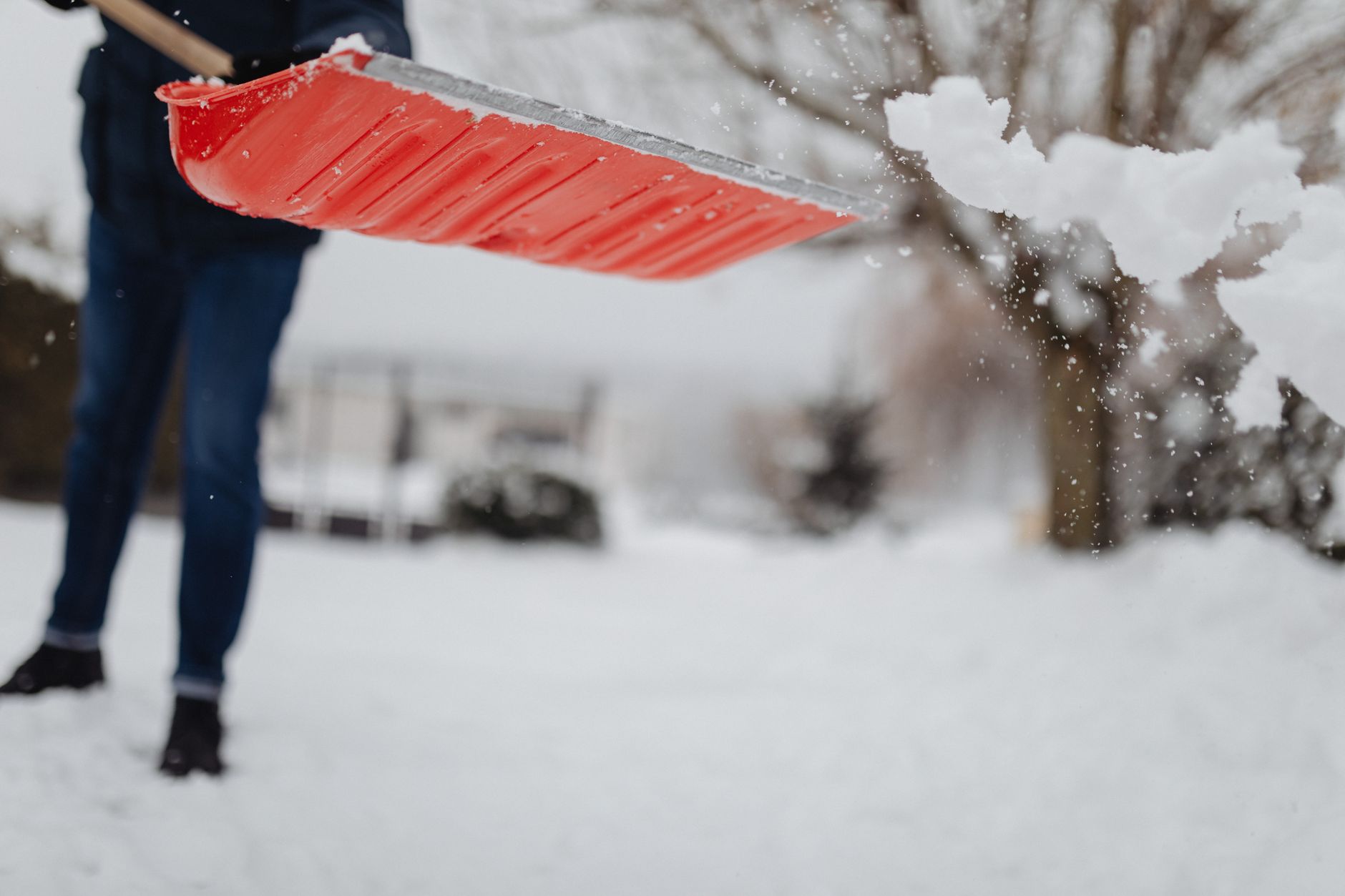
If you are otherwise healthy and your doctor hasn’t restricted your activities, shoveling can be done more safely by following specific techniques. The American Heart Association recommends pushing snow rather than lifting it, since lifting creates a much higher cardiac workload. When you must lift, use smaller loads multiple times rather than attempting to move large volumes of heavy snow in one effort. Take frequent rest breaks—this is not the time to work continuously until the job is done.
Instead, shovel for 10-15 minutes, then rest for 5-10 minutes, allowing your heart to recover between exertion periods. Research shows that snow blowers create significantly less cardiac stress than manual shoveling, which is why they represent a reasonable investment for anyone in a high-risk category. A snow blower still involves physical activity and cold exposure, but it eliminates the heavy lifting and reduces the peak intensity of effort. The tradeoff is cost and maintenance, but for someone with heart concerns, a $500-$2,000 investment in a snow blower could potentially save your life. For those who cannot afford a snow blower, hiring a neighborhood teenager or a snow removal service is far safer than risking shoveling yourself.
Temperature, Duration, and Other Cumulative Risk Factors
The temperature of the specific day matters as much as the snowfall itself. Shoveling snow when it’s 32 degrees is inherently less risky than shoveling at 0 degrees, given that every 2-degree drop increases heart attack risk by roughly 2%. This means shoveling in sub-zero temperatures carries multiplicative risk compared to shoveling in mild winter weather. If possible, wait until temperatures moderate slightly or shovel during the warmest part of the day rather than early morning when temperatures are at their lowest. This single decision—waiting a few hours for warming—could reduce your personal risk.
Duration also matters. The longer you are exposed to cold and exertion, the greater the cumulative stress on your heart. A reasonable guideline is that people in questionable health should limit any snow shoveling to 15 minutes maximum, with frequent breaks. One limitation to recognize is that you may not accurately perceive how hard your heart is working, especially in cold weather when adrenaline can mask fatigue. Just because you feel okay does not mean your heart is handling the stress well. This is why watching for warning signs is more important than judging by how tired you feel.

Recognizing Warning Signs During Snow Shoveling
Stop shoveling immediately and call 911 if you experience chest pain, chest pressure, lightheadedness, shortness of breath, or irregular heart palpitations. These are the classic warning signs of a heart attack, and they should never be ignored or attributed to simply being out of breath from exertion. The key distinction is that true cardiac warning signs often feel different from normal exertion—chest pressure or pain that radiates to your arm, jaw, or back is a particular red flag. A practical example: if you start shoveling and feel some chest discomfort that you initially dismiss as exertion, but the discomfort persists after you stop and rest, that is a reason to seek emergency care immediately.
Do not drive yourself to the hospital. Do not wait to see if it passes. Call 911 and let professionals evaluate you. Winter rescue from a snowed-in driveway does add complications, but emergency responders are trained to handle winter conditions, and getting proper care quickly is what matters.
Planning Ahead: Preparation and Alternatives to Shoveling
The best strategy is planning ahead before snow arrives. Evaluate your personal risk level honestly. If you are over 55, overweight, sedentary, or have any history of heart problems, commit now to not shoveling. Arrange alternatives in advance—contract with a snow removal service, coordinate with neighbors or family to help, or plan to buy a snow blower before winter. Having these arrangements in place before the first storm hits is far easier than scrambling to find help during an emergency snow event.
For those who choose to shovel, preparation matters. Warm up for 10 minutes before going outside—do some gentle stretching and light activity indoors so your heart and muscles are prepared for the task. Dress warmly, avoid alcohol before or immediately after shoveling (alcohol impairs your ability to sense cold and body strain), and stay hydrated. These preventive steps seem simple but collectively reduce your risk. Looking forward, the increasing frequency and intensity of winter storms means this remains a seasonal health issue that will not disappear. Building personal resilience through fitness and preparation is a long-term strategy that reduces your risk each winter.
Conclusion
Snow shoveling and heart health are inextricably linked during winter months. The combination of sudden intense physical exertion, extreme cold temperatures, and the weight of heavy snow creates genuine cardiac risk, particularly for men over 45, women over 55, and anyone with existing heart conditions. The medical evidence is clear: over 100 people die each year from snow shoveling-related cardiac events, and thousands more experience serious complications. The risk is not theoretical—it has claimed lives, including three people in Pennsylvania in 2026 alone.
Your response should be practical and honest. If you fall into a high-risk category, the safest choice is to not shovel. If you are otherwise healthy, proper technique, appropriate pacing, and frequent rest breaks can make shoveling manageable. Most importantly, know your personal risk factors, recognize warning signs, and have alternatives arranged before winter arrives. The goal is not to live in fear of winter but to approach snow removal with the respect and precaution it deserves, ensuring you can enjoy the season safely.