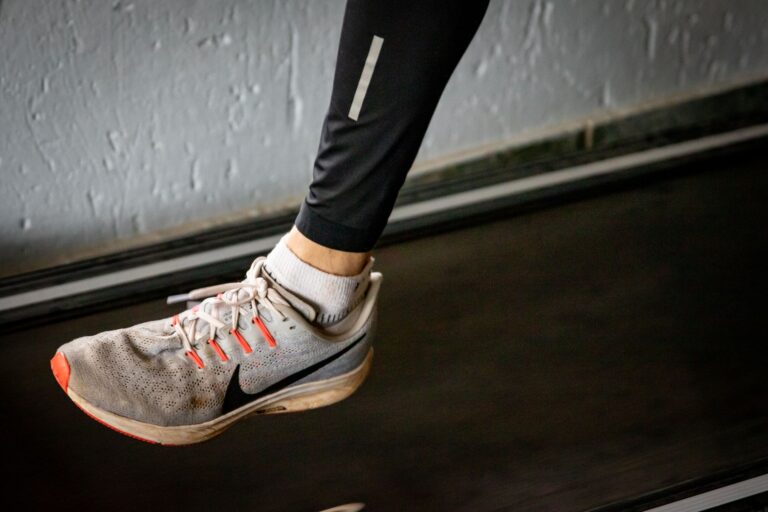
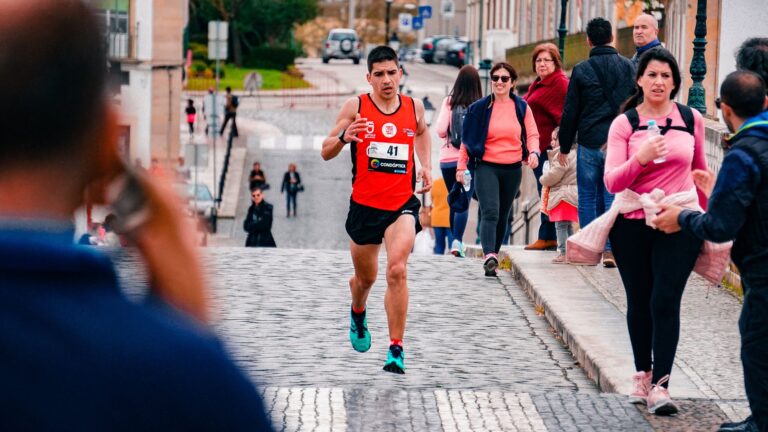
Simeon Birnbaum, an Oregon runner, has signed a name, image, and likeness (NIL) deal with Diadora, marking a significant departure from his previous association with Nike. This move reflects a broader shift in college athletics where athletes are increasingly able to negotiate their own endorsement agreements independent of their school’s official apparel partnerships. For distance runners competing at the collegiate level, such NIL deals represent genuine income opportunities that didn’t exist before 2021, when NCAA rules changed to permit athletes to profit from their personal brand.
The decision to partner with Diadora rather than remain with Nike signals a meaningful choice about brand alignment and financial terms. While Nike has long dominated the running market and maintains relationships with many collegiate programs, alternative brands like Diadora have begun actively courting individual athletes, offering them contracts that may be more lucrative or better aligned with their personal values than the default institutional partnerships. This represents a maturation of the NIL marketplace, where athletic merit and personal following can directly translate into endorsement revenue.
Table of Contents
- Why Are College Runners Leaving Nike for Other Brands?
- The Financial Reality of NIL Deals for Distance Runners
- How NIL Deals Influence Athlete Decisions
- What This Shift Means for the Running Market
- The Complications and Risks of Switching Brands
- How NIL Deals Compare to Professional Sponsorships
- The Broader Context of College Athletics and Brand Choice
- Frequently Asked Questions
Why Are College Runners Leaving Nike for Other Brands?
Nike’s dominance in running apparel has been nearly absolute for decades, but the company’s institutional focus on university partnerships sometimes leaves individual athletes with limited negotiating power. When a school signs an all-sports apparel deal with Nike, athletes typically receive free gear and team-issued equipment, but they gain no personal endorsement income. Diadora and other heritage brands have recognized this gap and begun targeting accomplished individuals, offering them the opportunity to earn money based on their own athletic achievements and social media following.
The practical advantage for runners is straightforward: a Diadora NIL contract can provide direct compensation that Nike’s university-wide deals do not. A runner with significant following on social media—whether from viral race performances, engaging content, or media appearances—can translate that into real income through selective brand partnerships. This creates an incentive structure where athletic performance and marketability are directly rewarded, unlike the traditional model where benefits flowed primarily through institutional channels.
The Financial Reality of NIL Deals for Distance Runners
NIL contracts vary dramatically in value, and most distance runners do not receive six-figure deals regardless of brand. The lucrative six or seven-figure endorsements typically go to Olympic athletes, professional track stars, or those with extraordinary social media presence. For college athletes, even successful ones, NIL deals often range from modest amounts—a few thousand dollars—to mid-range contracts worth tens of thousands annually. The key limitation is that NIL value depends entirely on an athlete’s ability to attract audience attention and commercial interest, not solely on their race times or athletic achievements.
This creates a warning worth noting: a runner might be nationally competitive without being nationally famous. Someone who places in the top ten at NCAA championships might not have the media profile or social following to command substantial NIL payments. Conversely, an athlete with a compelling personal story or strong social media presence might earn significantly more than someone with slightly better times but lower visibility. The NIL market rewards marketability as much as athletics.
How NIL Deals Influence Athlete Decisions
For individual runners, an NIL deal with Diadora or another apparel brand can meaningfully impact their economic circumstances during college, especially when combined with athletic scholarships or other forms of support. The arrangement typically requires athletes to wear the brand’s products, appear in promotional content, and potentially attend events—obligations that range from minimal to substantial depending on contract terms. Simeon Birnbaum’s partnership likely includes similar expectations: visibility for the brand in exchange for financial compensation.
These deals also influence athletes’ equipment choices and equipment loyalty. A runner under contract with Diadora commits to using Diadora shoes and apparel during competition and often in public appearances, which can affect their performance optimization if the brand doesn’t offer exactly the shoe or fit they would otherwise choose. This represents a tradeoff: the financial benefit of the endorsement must outweigh any potential competitive disadvantage from equipment constraints.
What This Shift Means for the Running Market
The emergence of individual NIL deals represents a form of market diversification in running apparel. For decades, Nike, Brooks, ASICS, and a handful of other brands competed primarily at the institutional level—university contracts, sponsorships of major races, relationships with professional teams. Now, individual athlete contracts allow smaller or mid-tier brands to build visibility by associating with talented competitors, even at the collegiate level. Diadora, a brand with long heritage but reduced prominence in American running compared to its peak decades ago, gains meaningful exposure when associated with a competitive Oregon runner.
This creates a practical advantage for emerging athletes: they have leverage they previously lacked. A runner who might once have simply worn whatever brand their university contracted with can now negotiate independently. However, the counterpoint is that this benefit accrues primarily to athletes whose accomplishments or following are notable enough to interest a brand. For most collegiate runners, the institutional apparel deal remains the primary source of free equipment, with NIL opportunities limited or nonexistent.
The Complications and Risks of Switching Brands
One significant warning: switching from an established brand partnership to a smaller or less familiar one carries reputational and practical risks. Nike’s association with world-class distance running is so strong that many athletes feel their legitimacy is reinforced by Nike gear. By contrast, Diadora, while a respected brand with Olympic history, is not the first shoe athletes or running media think of when discussing elite distance running. This can create a subtle perception issue, even if unfounded, where observers might wonder whether the athlete switched primarily for money rather than performance optimization.
Additionally, NIL deals typically include obligations that extend beyond simply wearing the shoes. Marketing appearances, social media content creation, and promotional events represent time commitments that could theoretically interfere with training or recovery. A runner must weigh whether the financial benefit justifies these additional responsibilities, especially during critical training blocks approaching major competitions. The financial gain could be offset by distraction or fatigue from promotional obligations.
How NIL Deals Compare to Professional Sponsorships
College NIL deals function as a bridge between amateur and professional status. A runner earning NIL income while still competing for their university is technically in an intermediate category—they’re receiving professional-level compensation but maintaining amateur eligibility.
This differs from a professional sponsorship, where an athlete has typically turned pro and signed with a brand as their primary source of income. Professional sponsorships for elite runners often include substantial financial commitments, equipment customization, and integrated marketing campaigns, often worth hundreds of thousands annually for competitive professionals. College NIL deals operate at a smaller scale but serve a similar function: aligning a brand with an athlete’s performance and public image.
The Broader Context of College Athletics and Brand Choice
The ability for runners like Simeon Birnbaum to choose their own apparel brand partnership represents a fundamental change in how college athletics operate. Where previous generations of athletes had their equipment and endorsements determined by institutional contracts, current athletes can pursue independent agreements.
This shift has democratized certain aspects of athlete compensation and given individuals genuine agency over their commercial relationships. At the same time, it has created a fragmented landscape where some athletes earn substantial supplemental income while others, equally talented but less marketable, do not.
Frequently Asked Questions
What does NIL stand for?
NIL stands for name, image, and likeness. It refers to the rights athletes have to profit from their own identity, including endorsements, sponsorships, and personal brand marketing.
Can college athletes sign NIL deals while on athletic scholarship?
Yes. NIL agreements became permissible for NCAA athletes in 2021 and operate separately from athletic scholarships. An athlete can receive both a scholarship and NIL compensation.
How much do college runners typically earn from NIL deals?
NIL earnings vary dramatically, ranging from a few thousand to tens of thousands annually for most college runners. Only athletes with significant media profile or large social media following command the highest payments.
Why would a runner choose Diadora over Nike if Nike is dominant?
A runner might choose Diadora for better financial terms, personal brand alignment, product preferences, or the independence of individual negotiation rather than operating under an institutional contract.
Does wearing a different brand’s shoes affect running performance?
Shoe performance depends on fit, cushioning, and personal comfort rather than brand prestige. However, switching shoes can require an adjustment period, and some athletes might prioritize the financial benefit over finding their ideal equipment.