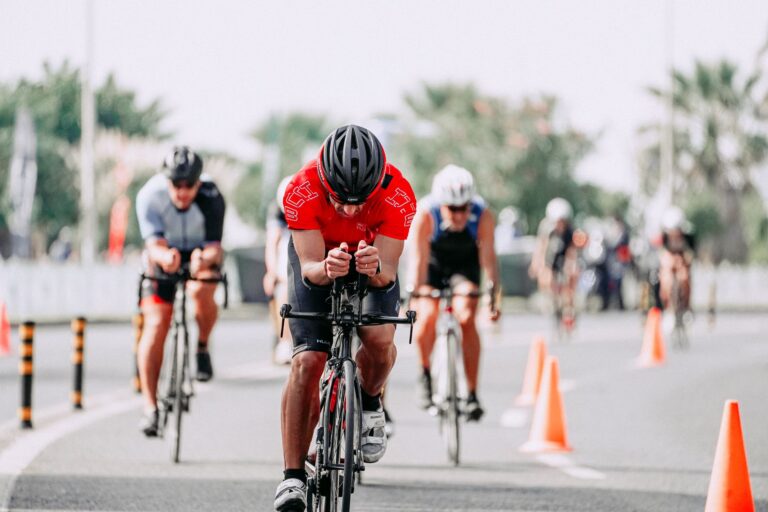
Shock-absorbing shoes can significantly reduce joint pain, particularly for people with arthritis or chronic running injuries. Research shows that shock-absorbing insoles produced substantial reductions in knee joint pain and physical dysfunction within just one month of consistent wear in patients with knee osteoarthritis. The mechanism is straightforward: cushioning materials in modern running shoes absorb impact forces that would otherwise travel directly through your feet, ankles, knees, and hips with every step you take, allowing your joints to bear less stress and maintain better alignment during movement.
If you’re experiencing joint pain while running or walking, a pair of well-designed shock-absorbing shoes isn’t a luxury—it’s a practical intervention. Consider someone like a 58-year-old runner with moderate knee osteoarthritis who switched to max-cushioned shoes and reported noticeably less pain during their daily 3-mile runs. That kind of real-world improvement reflects what the clinical research demonstrates: proper cushioning can meaningfully reduce discomfort and help you stay active.
Table of Contents
- How Shock-Absorbing Shoes Actually Reduce Joint Pain
- Key Features to Look for in Shock-Absorbing Shoes
- Shock Absorption and Proper Foot Alignment
- Practical Guide to Choosing Your First Pair
- The Stability Caveat and Common Misconceptions
- Market Growth and Product Availability
- The Global Arthritis Crisis and Future Outlook
- Conclusion
How Shock-Absorbing Shoes Actually Reduce Joint Pain
Shock-absorbing shoes work by dissipating the impact force that occurs when your foot strikes the ground. In a normal running stride, unshod or minimally cushioned running generates impact forces of 2-3 times your body weight. This repeated high-impact stress accumulates in your lower joints over time, contributing to pain, inflammation, and structural damage. Properly cushioned shoes reduce the peak impact force by spreading the energy absorption across a larger area and a longer timeframe, meaning less stress concentrated on any single joint.
The clinical evidence is compelling. A peer-reviewed study examining shock-absorbing insoles found that patients with knee osteoarthritis experienced significant reductions in self-reported joint pain and improved physical function after just one month of use. The cushioning reduces impact stress transmitted through multiple joints simultaneously, which is why shoes help not just your knees but also your ankles and hips. For comparison, rigid-soled shoes or flat sneakers do little to absorb this impact, meaning your joints absorb almost all the force directly. Additionally, emerging evidence suggests that shock-absorbing shoes may help prevent lower extremity joint pain in older adults, though researchers note that more randomized controlled trials are needed to fully understand the preventive benefits.

Key Features to Look for in Shock-Absorbing Shoes
Not all running shoes offer equal cushioning, and the specific features matter. The most effective shock-absorbing shoes feature a midsole stack height of at least 30mm—that’s the thickness of the foam material between your foot and the ground. Brands like Hoka (particularly their Clifton 10 and Bondi 9 models) and Saucony’s Hurricane 25 are specifically engineered with this level of max cushioning in mind. These shoes combine thick, soft foam with proprietary technologies designed to absorb and dissipate impact energy more effectively than standard running shoes. Beyond raw cushioning thickness, several other design elements matter for joint pain relief.
A wide toe box accommodates arthritic feet that may have swelling or bone changes, preventing additional pressure points during walking. Rocker soles—curved bottoms that facilitate a rolling motion rather than a sharp heel strike—reduce the rotational stress on your knee and ankle joints. Strong arch support is equally important because it helps distribute your body weight evenly across your foot, preventing overpronation or supination that could shift impact forces unevenly. The limitation here is cost: max-cushioned shoes often run $130-$200 per pair, and they may wear out faster than minimal shoes because the foam compresses over time. You may find yourself replacing them every 300-400 miles rather than 500+.
Shock Absorption and Proper Foot Alignment
One critical mistake people make is assuming that shock absorption alone solves joint pain. It doesn’t—not if you also overpronate (your foot rolling inward excessively) or supinate (rolling outward). A person with severe overpronation could wear the most cushioned shoes available and still experience knee pain because the improper foot alignment is still putting lateral stress on the joint, regardless of how soft the shoe is. Stability is equally important as cushioning, which is why many orthopedic recommendations include shoes with reinforced medial support alongside generous cushioning.
Consider the real-world scenario of a middle-aged runner with flat feet (a common cause of overpronation) who bought premium max-cushioned running shoes only to find their knee pain continued. The issue wasn’t insufficient cushioning—it was uncorrected overpronation. They eventually switched to stability shoes with moderate cushioning and proper arch support, and their pain improved significantly. This illustrates why getting a gait analysis at a specialty running store is valuable. Brands like Brooks and New Balance offer both max-cushioned and stability options, allowing you to find shoes that address both your impact absorption needs and your alignment issues.

Practical Guide to Choosing Your First Pair
Shopping for shock-absorbing shoes requires understanding your specific needs. Start by identifying whether you’re buying primarily for everyday walking, running, or a combination. Max-cushioned shoes excel at reducing impact during high-activity situations but can feel less responsive for precise movements like court sports. Everyday cushioned shoes like certain New Balance or ASICS models offer a balance—sufficient cushioning for joint pain relief without the “floating on air” sensation some runners find tiring on longer runs. The cost-versus-benefit calculation is worth considering.
A pair of high-end max-cushioned shoes ($160-$200) will last you roughly 300-400 miles of running before the foam compresses enough to lose its cushioning properties. That works out to about 4-6 months for someone running 20-25 miles per week. Budget shoes with basic cushioning ($60-$100) might seem economical upfront, but they often provide less actual shock absorption and may wear out at similar intervals. The real value is in brands that use proven cushioning technology—Hoka’s proprietary foam, Saucony’s PWRRUN platform, Brooks’ DNA Loft technology—not in marketing claims alone. Shopping at specialty running stores (which are increasingly common) allows you to test shoes on a treadmill and get professional fitting guidance before committing to a purchase.
The Stability Caveat and Common Misconceptions
This is worth emphasizing: shock absorption alone is insufficient if overpronation is present. This is a critical limitation that surprises many people. Your foot naturally pronates (rotates inward) during the landing phase of running to absorb shock. Normal pronation is healthy. Overpronation means your foot continues rolling inward excessively, which can increase stress on your knees and ankles.
A heavily cushioned shoe that doesn’t correct for overpronation can actually worsen this pattern by making your foot sink further into the soft foam without any resistance to guide it toward proper alignment. Another common misconception is that softer is always better. Some research suggests that extremely soft shoes might actually increase injury risk because they reduce proprioceptive feedback—your foot’s ability to sense the ground and make micro-adjustments for balance. This is why many orthopedists recommend looking for a balance: substantial cushioning with some structure, rather than maximum softness at all costs. The sweet spot for most people with joint pain is a shoe that provides 25-35mm of midsole cushioning with adequate arch support and medial reinforcement if needed.

Market Growth and Product Availability
The growing awareness of joint pain during physical activity has driven substantial market expansion in orthopedic and medical footwear. The global orthopedic footwear market was valued at $6.28 billion in 2025 and is projected to reach $6.57 billion in 2026, with expected growth to $9.93 billion by 2035 at a 4.7% compound annual growth rate. The broader medical footwear market is even larger, reaching $11.95 billion in 2026 and growing at 6.35% annually to project $16.25 billion by 2031. The arthritis footwear segment alone is expected to generate between $0.9 billion and $2.3 billion in revenue by 2035, reflecting the substantial demand from the nearly 25% of U.S. adults who have some form of arthritis.
This market expansion means better selection and innovation. Major shoe manufacturers have invested significantly in cushioning technology specifically designed for joint pain. Where 10 years ago you might have had 5-6 legitimate options for max-cushioned shoes, today there are dozens of models from established brands. The downside of this proliferation is the challenge of sorting through marketing claims to find genuinely effective products. Focus on shoes from brands with track records in orthopedic design, clinical evidence supporting their products, and positive reviews from runners with actual joint pain rather than general consumers.
The Global Arthritis Crisis and Future Outlook
Global osteoarthritis prevalence increased by a stunning 132% between 1990 and 2020, reflecting aging populations and increasing sedentary lifestyles in developing nations. This trajectory suggests that demand for effective joint pain interventions—including properly designed footwear—will continue to grow substantially. The fact that nearly 25% of U.S.
adults currently have arthritis means the market for shock-absorbing shoes isn’t a niche anymore; it’s mainstream. Looking forward, expect to see continued innovation in cushioning materials and smart textiles that provide real-time feedback about your gait and impact forces. Some emerging shoes now include sensors that track your foot strike patterns and notify you through an app if your gait is shifting in ways that increase joint stress. For now, though, the most important innovation is simply greater accessibility—more affordable options, more shoe sizes and styles, and more running stores trained to properly fit people for joint pain management rather than simply selling the most expensive shoe available.
Conclusion
Shock-absorbing shoes are an evidence-based intervention that can measurably reduce joint pain, particularly for people with osteoarthritis or those who run regularly. The key is understanding that cushioning works best when paired with proper arch support and gait correction, not as a standalone solution. Look for shoes with at least 30mm of midsole stack height from established brands like Hoka, Saucony, Brooks, or New Balance, and if possible, get your gait analyzed at a specialty running store before making a purchase.
Start with a single pair and give yourself a full month of consistent use to assess whether it actually reduces your pain—this aligns with the timeframe shown in clinical research. Pay attention not just to how the shoes feel in the store but to how your joints feel during and after activity over several weeks. If you’re not seeing improvement after a month, the issue may be something else (improper gait, overpronation, or a more serious joint condition), and that’s valuable information that should prompt a conversation with a sports medicine doctor or physical therapist.