
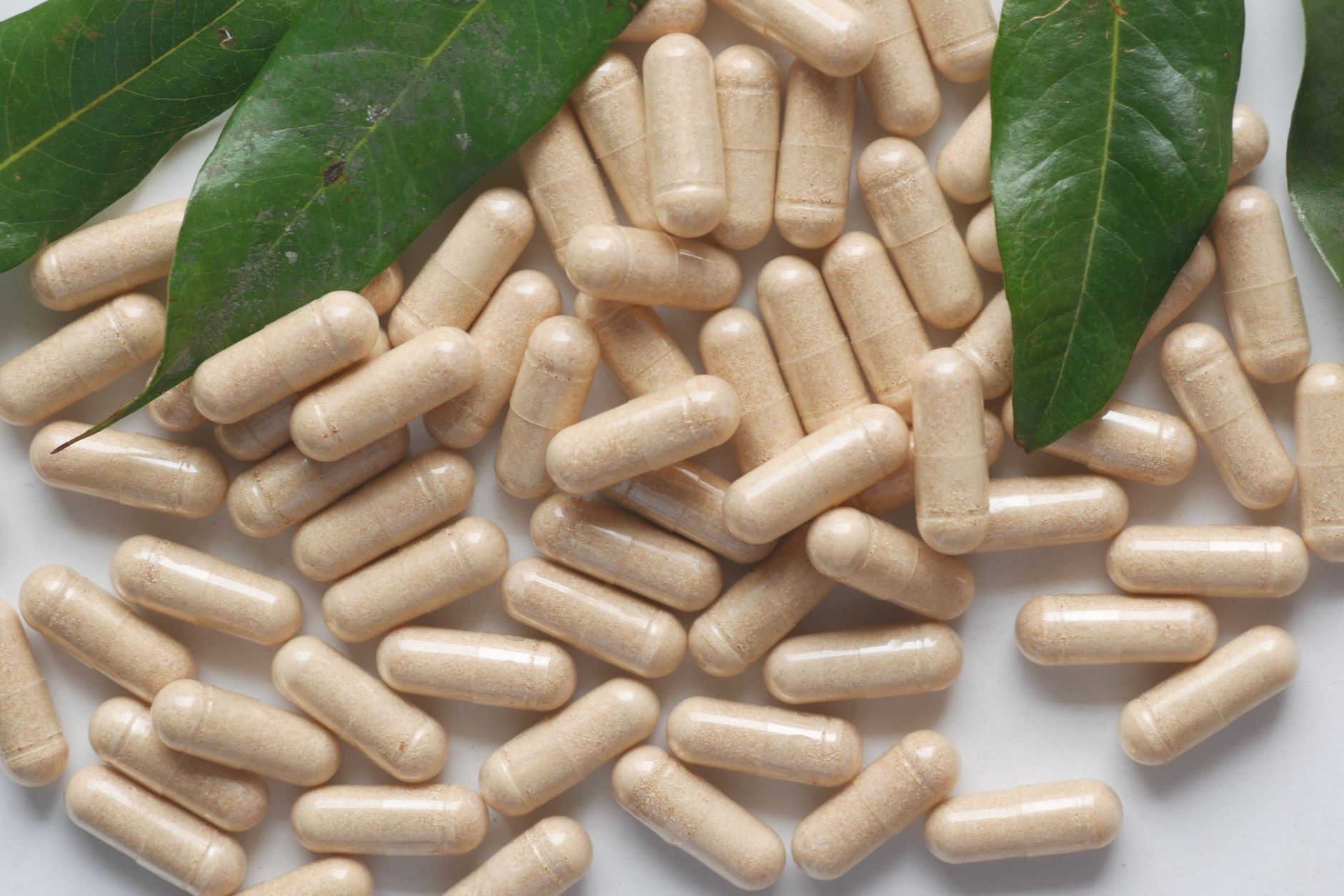
Salt capsules are concentrated sodium pills runners use to replace salt lost in sweat. The main mistakes are drinking far beyond thirst because salt feels protective, taking capsules dry or in bunches, expecting more salt to stop cramps, and trying them first on race day. These errors matter because the wrong form and timing can upset the stomach and distract from bigger drivers like pace, heat, and fluid balance. Small fixes in training — steady water pairing, tested dose timing, and realistic cramp plans — work better than last-minute salt loading.
Medical information disclaimer: This article is for general educational purposes only and does not provide medical advice, diagnosis, or treatment. Always consult a physician or other qualified health professional about symptoms, medications, tests, or treatment decisions.
Table of Contents
- Can salt protect you if you overdrink?
- What is the right way to take them?
- Will more salt stop cramps and nausea?
- Why is race day the wrong first test?
- Frequently Asked Questions
Can salt protect you if you overdrink?
No. Endurance runners who drink far beyond thirst risk exercise-associated hyponatremia, because prolonged overhydration is the primary cause of low blood sodium during or up to 24 hours after prolonged activity, according to Wilderness Medical Society updated guidelines reported in a March 2020 research summary.
Taking salt capsules does not make overdrinking safe. Sodium supplementation has not been shown to prevent hyponatremia when athletes overhydrate during shorter-duration activity, according to the Wilderness Medical Society guideline summarized in a running-medicine sodium review. Drink to thirst, use thirst plus body cues, and treat salt as a supplement rather than a license for extra fluid.
What is the right way to take them?
SaltStick directs runners to swallow one capsule with water every 30–60 minutes during activity, about 1–2 capsules per hour and up to 10 per day, rather than dry or in bunches, according to the SaltStick official product directions. Set a watch timer, carry enough water for each dose, and avoid saving several capsules for one stop.
Taking sodium chloride tablets without adequate water or in excess can cause upset stomach, nausea, vomiting, stomach pain and extreme thirst from excess sodium, according to Drugs.com safety information. Practical form mistakes to avoid:.
- chewing or dry-swallowing a capsule at speed
- taking a handful at an aid station after skipping earlier doses
- chasing capsules with only sports drink or no fluid
Will more salt stop cramps and nausea?
Not automatically. In a hot ultramarathon lasting up to 30 hours, total sodium intake did not prevent muscle cramping, dehydration, hyponatremia, or nausea, according to a Sports Medicine Systems review of an ultramarathon trial. More capsules do not fix every late-race problem.
Cramp science is mixed. A prospective Ironman cohort found exercise-associated muscle cramps were associated with faster race pace and high exercise intensity rather than dehydration or serum electrolyte changes. A contrasting 30-year review of 10,500 Ironman triathletes found dehydration strongly linked to seeking medical treatment for cramps. Train pace control, heat pacing, and fluids alongside any salt plan instead of relying only on salt.
Why is race day the wrong first test?
First-time race-day use of salt capsules or other fuel is a training error because unfamiliar products can trigger gut distress at race effort. New form, new timing, and harder effort can combine into nausea, burps, sloshing, or bathroom stops.
Runners should test the exact brand, dose, water pairing and timing in long training runs, according to Baptist Health dietitians marathon guidance. Try one capsule with water at the same interval planned for the race, note stomach feel at goal effort, then keep or change only one detail next time.
Frequently Asked Questions
How many salt capsules should I take per hour?
Many runners use 1–2 capsules per hour during activity, up to 10 per day, swallowed with water every 30–60 minutes. Test that schedule in training and stop if nausea, stomach pain, vomiting, or extreme thirst appears.
Should I take extra salt so I can drink more water?
No. Overdrinking remains the main driver of low blood sodium during or after prolonged activity, and sodium has not been shown to prevent that problem when athletes overhydrate. Drink to thirst and keep fluids steady.