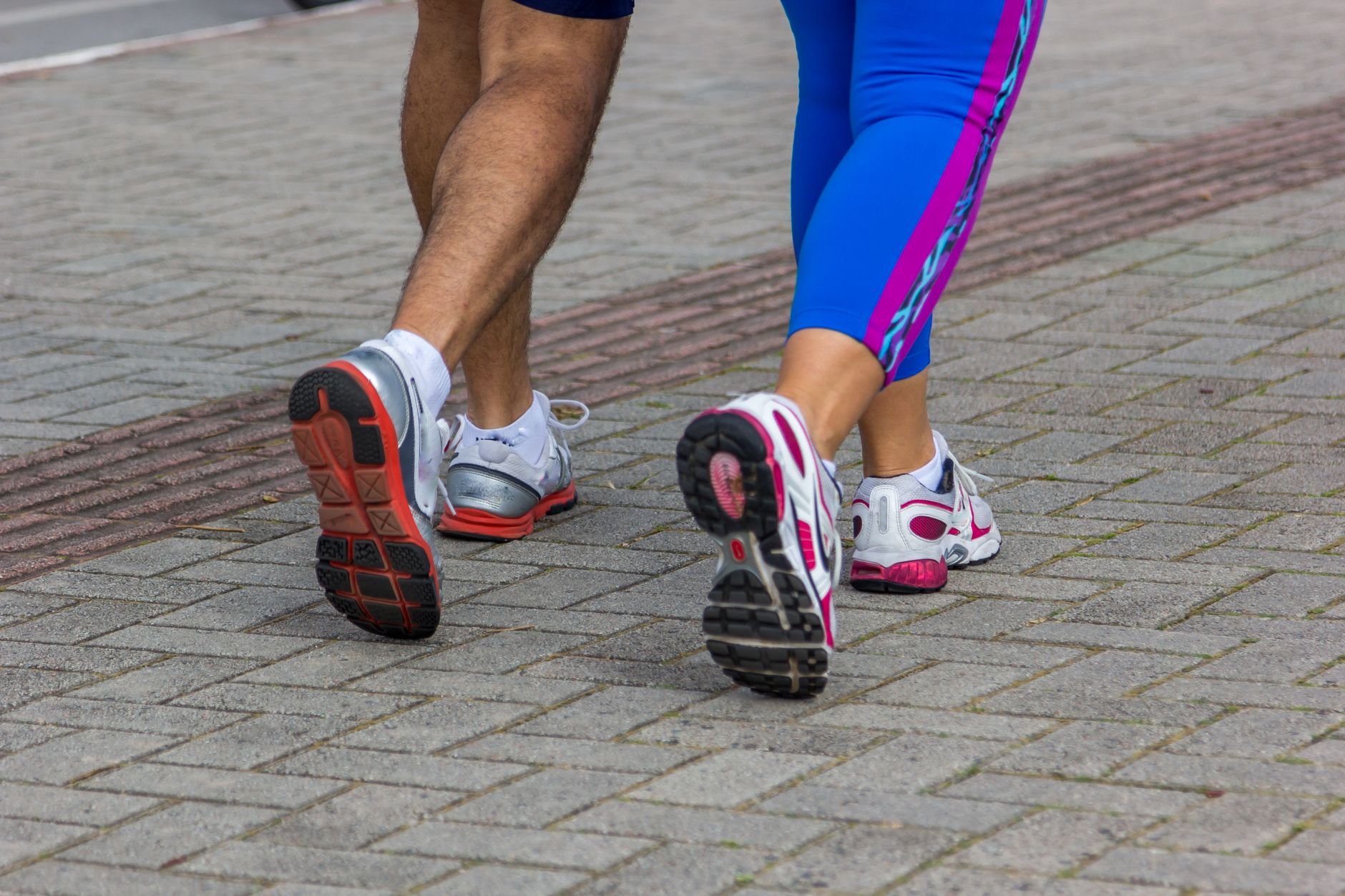
Yes — weight loss often means a smaller running shoe size. Feet lose soft-tissue volume and spread less under load, so old shoes start to feel loose.
Shoe size here means foot length and width measured under full standing weight. Your bones do not change, but less padding, less spreading, and less swelling change how shoes fit. That shift calls for a fresh measurement, not thicker socks.
Medical information disclaimer: This article is for general educational purposes only and does not provide medical advice, diagnosis, or treatment. Always consult a physician or other qualified health professional about symptoms, medications, tests, or treatment decisions.
Table of Contents
- Why weight loss changes fit
- How much size change should you expect
- Signs your current shoes no longer fit
- How to remeasure and buy again
Why weight loss changes fit
Weight gain pushes the arch lower and lets the foot spread more when you stand. An American Podiatric Medical Association spokesperson explains in the WeightWatchers foot-health guide that loss reverses that process because soft tissue, spreading, and swelling decrease while bone stays the same. A Temple University gait study found the same pattern in 41 obese adults.
Heavier people had lower standing arches and more arch drop, and changes in weight tracked with changes in standing arch height. In practice, a rising arch shortens and narrows the footprint. A shoe that once gripped your heel and midfoot can then slip, even if the sole still looks good.
How much size change should you expect
In 212 sleeve-gastrectomy patients, mean European size fell from 41.5 to 40.5 one year after surgery, according to the surgical weight-loss study. That averaged about one full U.S. size after 50 to 100 pounds lost. Everyday diet-and-running weight loss is usually smaller and slower.
Expect a half size, a width change, or no marked change rather than a full size. A Temple randomized pilot trial reinforces that caution. The meal-controlled group lost significantly more weight than controls over three to six months, but foot-structure and loading changes were small and variable. Individual feet do not follow an average on schedule.
Signs your current shoes no longer fit
Nike advises runners to leave about a thumb's width ahead of the longest toe, hold the heel and midfoot snugly without slipping, and keep room to wiggle the toes, as described in the Nike fitting guide. Test that fit standing, after a run, when feet are fuller. Watch for heel lift on hills, forefoot sliding on turns, toe bang on downhills, or new blisters.
You may also need to crank laces tighter than before to stop movement. Persistent looseness means remeasure. Do not stack socks to fill space, because extra bulk changes pressure and can cause hot spots.
How to remeasure and buy again
Measure in the afternoon, standing with full weight on both feet. Fit to the larger foot, and record both length and width because feet may narrow, for example from EE to D.
Use this quick sequence at the store or at home: Recheck after each major weight step, such as every 15 to 20 pounds, or when looseness returns. Sizes shift over time, so never assume last season's size still fits.
- Stand on paper or a Brannock device in running socks.
- Mark longest toe and widest point for each foot.
- Compare the larger foot to the brand chart, then add about one-half size for toe clearance.
- Jog, climb on toes, and check heel hold before you decide.