Running with bad knees is possible, but it requires intentional modifications to how you train. The key modifications include reducing impact force through slower paces, shorter distances, and strategic cross-training, while also addressing the underlying mechanics that stress your knees—like weak hip stabilizers or poor running form. Someone with knee osteoarthritis, for example, might shift from a 5-day running week to 2-3 days with low-impact cycling in between, adjust their stride to land more softly, and strengthen their glutes. These changes don’t mean you have to quit running entirely, but they do mean being systematic about how you approach it.
Bad knees affect runners in different ways depending on the underlying issue. Patellar tendinitis responds differently than meniscus damage or general arthritis. The modifications that work for one person won’t necessarily work for another, which is why running with knee pain requires both honest self-assessment and willingness to experiment. Many runners find that the first modification—accepting that their training schedule needs to change—is actually the hardest one to implement.
Table of Contents
- What Running Modifications Actually Help Bad Knees?
- Understanding the Limits of Modifications
- How Form Changes Impact Knee Loading
- Practical Training Modifications You Can Implement
- Warning Signs That Your Modifications Aren’t Working
- When to Add Strength Work
- Long-Term Sustainability and Expectations
- Conclusion
- Frequently Asked Questions
What Running Modifications Actually Help Bad Knees?
The most effective modifications reduce the repetitive stress your knees absorb with each stride. Impact is the core problem: every time your foot strikes the ground, your knee absorbs 2-3 times your body weight. Reducing frequency, intensity, or both directly lowers this load. A runner weighing 170 pounds experiences roughly 340-510 pounds of force per step.
Cutting your weekly mileage in half, running at a slower pace, or swapping one run per week for cycling immediately reduces total stress. Stride changes also matter significantly. Many runners with knee pain overstride—landing with their foot ahead of their body—which creates a braking effect and increases knee extension forces. Shifting to a shorter, quicker cadence (aiming for 170-180 steps per minute instead of 160) naturally shortens stride length and reduces impact. Running on softer surfaces like trails or track rather than pavement also absorbs more force before it reaches your knees, though this creates different injury risks like ankle tweaks on uneven ground.

Understanding the Limits of Modifications
Here’s the critical limitation: modifications help, but they don’t cure underlying structural issues. If you have a meniscus tear, running less frequently won’t repair the tear, though it may keep you functional while you decide whether to pursue surgical intervention. This distinction matters because some runners expect modifications alone to eliminate pain completely. The realistic goal is usually to reach a level of activity that feels acceptable and sustainable long-term, not to return to pre-injury performance levels without addressing the root problem. Modifications also require consistency that many runners struggle to maintain. If you move to 3 runs per week from 5, you’re accepting a measurable decrease in cardiovascular fitness and running-specific adaptations.
Some runners do this successfully; others find themselves frustrated and gradually creep back to their old volume, which then triggers symptoms again. Additionally, every modification has tradeoffs. Slower paces are less time-efficient for fitness building. Cross-training provides different benefits than running. Softer surfaces require different balance and proprioceptive awareness. The “perfect” modification that feels good and solves everything rarely exists.
How Form Changes Impact Knee Loading
Your running mechanics determine how force travels through your joints. A runner who lands heavily on their heel with a extended knee takes more impact than someone landing midfoot under their hips. Teaching your body to land softer is possible but requires focused practice and usually feels awkward initially. Some runners benefit from learning to engage their glutes more forcefully during push-off, which stabilizes the knee and reduces compensatory stress on the patellofemoral joint.
Video analysis or gait assessment by a physical therapist can identify specific mechanical issues. One common pattern is excessive lateral knee valgus—the knee collapsing inward during stance. This often stems from weak hip abductors rather than knee weakness itself. Addressing it means clamshells, side-lying leg raises, and single-leg balance work—exercises that don’t feel like “running training” but dramatically improve how your knees track through a run. Some runners also benefit from temporary use of knee sleeves or tape during runs to provide proprioceptive feedback about alignment, though this is a crutch rather than a fix.

Practical Training Modifications You Can Implement
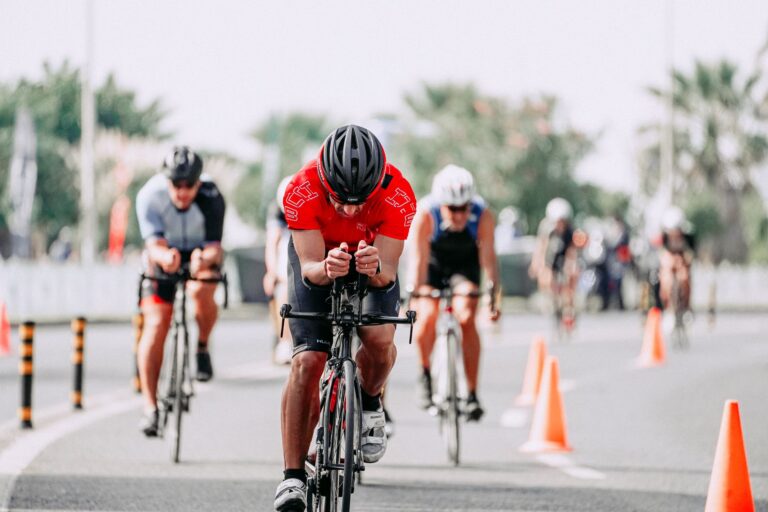
The most accessible modification is moving from a continuous running schedule to a mixed approach: run 2-3 days per week, cross-train on 2-3 days. Low-impact options like cycling, pool running, or elliptical work maintain cardiovascular fitness without pounding your knees. Cycling in particular transfers well to running fitness because it uses similar muscle groups and is movement-specific enough that detraining is slow. A runner doing 5 miles twice weekly with 3 days of cycling usually loses less fitness than dropping to a 5-mile-per-week running habit.
Intensity distribution also changes. High-intensity interval training multiplies knee stress relative to easy running, so many runners with bad knees cut this out entirely or limit it to once monthly. Instead, focus efforts on threshold work at controlled paces or base-building with consistent easy runs. Some runners find they can maintain fitness with lower volume by including one slightly longer run (not racing pace, but a comfortable steady effort) weekly, paired with shorter easy runs and cross-training. This requires experimentation to find the combination that your knees tolerate while still producing fitness gains.
Warning Signs That Your Modifications Aren’t Working
Pain that increases during a run—not just soreness the next day, but actual worsening as you run—means you need to scale back further. Pushing through increasing pain during a run typically leads to compensation patterns that create secondary injuries in your hip, other knee, or ankles. Swelling that takes more than a few hours to subside after running, stiffness that persists the next day, or pain that wakes you at night all suggest your current volume or intensity is still too high. Some runners adjust their modifications every few weeks, gradually increasing volume when symptoms improve.
This can work, but it also carries the risk of progressing too aggressively and triggering flare-ups. A more conservative approach is finding your symptom-free threshold and staying there for 8-12 weeks before attempting progression. This is slower mentally but more reliable physiologically. You should also note that some knee conditions worsen over time regardless of training modifications—osteoarthritis, for instance, progresses structurally. Your modifications may need to become more conservative over years, and that’s normal.

When to Add Strength Work
Dedicated strength training addresses the root causes of many knee problems and makes modifications more effective. Focus on hip strength (glute medius, glute maximus), quadriceps strength (particularly the VMO—vastus medialis obliqus), hamstring strength, and calf strength. Single-leg exercises like single-leg squats, step-downs, and single-leg deadlifts teach your body to stabilize dynamically, which translates to running.
Two sessions weekly of 20-30 minutes covering these areas usually produces noticeable improvement within 4-6 weeks. A concrete example: a runner with patellofemoral pain does 3×10 clamshells with a resistance band, 3×8 single-leg deadlifts per leg, 3×10 step-downs per leg, and 3×12 quad sets (isometric holds) twice weekly. Within 6 weeks of consistent work alongside modified running, they notice that their pain threshold increases—they can run further before discomfort begins. This doesn’t mean they increase mileage immediately, but it means their foundation is stronger and future progression becomes safer.
Long-Term Sustainability and Expectations
Some runners successfully return to near-baseline running with modifications applied long-term. Others establish a new normal that’s lower volume than before but still satisfying. A small group finds that running becomes impossible and pivots to other endurance sports like cycling or open-water swimming. The outcome depends on the underlying pathology, how early you intervene, your commitment to strength work, and sometimes genetics or luck.
Runners who develop symptoms at age 35 often have different long-term trajectories than those starting modifications at 55, partly because of tissue resilience and partly because expectations shift with age. The future of managing knee issues while running increasingly includes technology—gait analysis with force plates provides precise feedback about loading patterns, wearables track cumulative impact, and targeted virtual coaching corrects form in real time. These tools can accelerate adaptation to modified running patterns. The key insight is that modifying for bad knees isn’t a temporary detour while you get back to your “real” training. It’s a permanent adjustment to how you approach running—a new baseline that hopefully keeps you healthy and running for decades rather than burning out or needing surgery.
Conclusion
Running modifications for bad knees work because they reduce the mechanical stress your joints experience, but they work best when combined with strength training, form adjustments, and honest assessment of your limitations. The specific modifications—reduced mileage, slower paces, cross-training, cadence changes, and targeted strengthening—need to be tailored to your individual pain pattern and underlying issue. No single prescription works for everyone, which means some trial-and-error is inevitable. Your task now is implementing modifications systematically rather than randomly.
Start by identifying your pain threshold: the running volume and intensity where you notice symptoms. Drop below that threshold, add 2-3 sessions of strength work weekly, and run consistently at that level for 4-6 weeks. If symptoms improve, consider a small progression. If they worsen, go lower. This methodical approach takes patience, but it builds a sustainable relationship with running rather than a frustrating cycle of flare-ups and setbacks.
Frequently Asked Questions
Can I run every day with bad knees if I run slowly?
Probably not. Frequency matters as much as intensity. The total impact load accumulates. Most runners with significant knee issues do better on 3-4 days per week rather than daily, even at easy paces. Rest days allow inflammation to settle and tissues to repair.
Should I wear a knee brace while running with bad knees?
Braces can provide proprioceptive feedback and feel psychologically reassuring, but they don’t fundamentally reduce the mechanical stress on your knee. They’re a useful temporary tool while you build strength, not a permanent solution. Some runners feel worse with a brace because it restricts natural motion.
How long does it take to see improvement from modifications?
4-6 weeks of consistent training at your symptom-free threshold usually produces noticeable change. Structural adaptations in tendons and joint cartilage take 8-12 weeks. If you’re not seeing improvement after 8 weeks, your threshold may be set wrong or the underlying issue may require intervention beyond modifications.
Is running with bad knees worse than stopping completely?
That depends on your underlying condition. If it’s something like patellar tendinitis, running within limits while strengthening often improves it. If it’s advanced osteoarthritis or an acute injury like a fresh tear, running may accelerate damage. A physical therapist or sports medicine doctor can clarify what’s safe for your specific situation.
Can modifications prevent knee problems, or only manage existing ones?
Modifications are primarily for managing existing issues. Prevention comes from adequate strength, good form, appropriate progression, and adequate recovery—all part of smart training design. Once you have a problem, modifications keep it from worsening; they rarely eliminate it entirely.
What’s the difference between running modifications and cross-training for knee problems?
Modifications reduce the stress of running itself (slower pace, less frequency). Cross-training replaces some runs with lower-impact alternatives. Most runners benefit from both—modified running paired with 1-2 days of cross-training per week gives you the running stimulus while managing load.