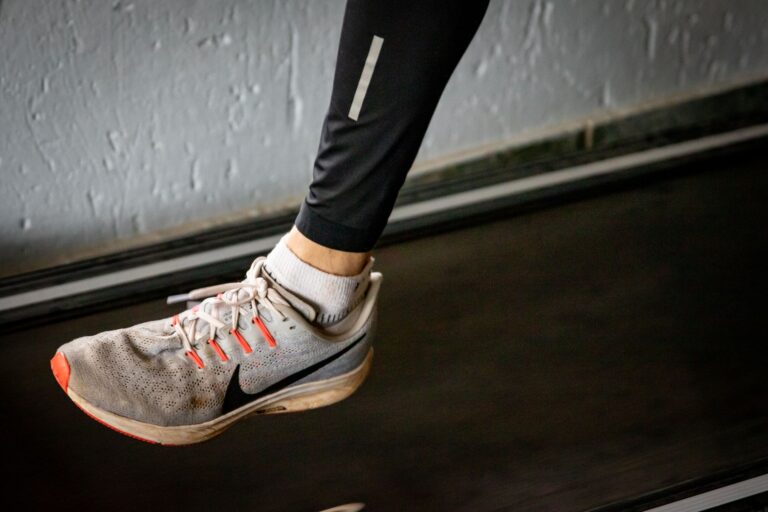
The truth about foot strike is this: where your foot lands relative to your body’s center of gravity matters far less than runners have been led to believe over the past 15 years. The obsession with heel striking versus midfoot striking versus forefoot striking has become so pervasive that many runners spend weeks or months trying to alter their natural landing pattern, often causing injuries in the process. A runner who spent $200 on gait analysis to fix their heel strike, only to develop shin splints during the transition, learned this lesson the hard way—yet this scenario plays out constantly in running communities around the world.
The real reason foot strike gets overstated is that it’s been weaponized by shoe companies and coaches looking for a simple, marketable explanation for running injuries. When biomechanics researchers isolated foot strike as a variable in laboratory studies, the media and running industry turned it into a universal problem that needed fixing. In reality, foot strike is simply one small component of a much larger system that includes cadence, stride length, impact forces, muscle strength, and training load. Your foot strike pattern matters far less than whether you’re running too much, too hard, or without adequate preparation.
Table of Contents
- Why Runners Became Obsessed with Foot Strike
- The Hidden Cost of Changing Your Natural Foot Strike
- What Actually Matters More Than Foot Strike
- Finding Your Optimal Running Form Without Obsessing Over Details
- When Foot Strike Might Actually Be Relevant
- The Role of Individual Variation and Acceptance
- The Future of Running Injury Prevention
- Conclusion
- Frequently Asked Questions
Why Runners Became Obsessed with Foot Strike
The foot strike fixation really took off in the early 2010s, particularly after the “Born to Run” phenomenon and the rise of minimalist shoes. The narrative was clean and compelling: heel striking was bad because it created a braking force at impact, while midfoot or forefoot striking was biomechanically superior. Running coaches and physical therapists began conducting gait analysis sessions where they’d videotape runners and pronounce judgment on their landing pattern. this gave people something concrete to “fix,” which felt productive even if the science didn’t quite support it.
What researchers actually found in their studies was more nuanced. Yes, heel strikers do experience higher vertical impact forces, but studies measuring actual injury rates showed that heel strikers were not inherently more injured than forefoot strikers. In fact, some research suggested that the most important factor was consistency—runners who maintained their natural gait pattern stayed healthy, while runners who tried to change their pattern to match what they thought was “correct” often developed new problems. One study tracking recreational marathoners found no difference in injury rates between heel strikers and midfoot strikers when controlling for training volume and weekly mileage increases.

The Hidden Cost of Changing Your Natural Foot Strike
here‘s where the advice becomes actively dangerous: when runners try to forcibly change their foot strike pattern, they’re essentially asking their body to rewire years of motor patterning. Every muscle, tendon, and bone has become adapted to their current running style. Suddenly switching from a heel strike to a forefoot strike changes the demand on your calf muscles, achilles tendon, and plantar fascia. These structures haven’t been trained for this new demand, and introducing it while simultaneously increasing impact stress creates a perfect recipe for injury. The most common mistake is changing foot strike while maintaining the same weekly mileage.
A runner might wake up on a Monday, watch a YouTube video explaining why they’re doing it wrong, and decide to become a forefoot striker immediately. By Friday, their calves are screaming. By the following week, they have achilles tendonitis or plantar fasciitis—injuries they never had before. The limitation of all the “fix your gait” advice is that it ignores adaptation timeframes. If you were somehow going to change your foot strike (which you probably shouldn’t), it would need to happen gradually over 8-12 weeks while reducing your overall mileage, not as an immediate overhaul.
What Actually Matters More Than Foot Strike
Several factors have far more predictive power for running injuries than foot strike pattern. Cadence—how many steps you take per minute—is one of them. Runners who take fewer than 160 steps per minute tend to have longer ground contact times and higher impact forces, regardless of where their foot lands. Increasing cadence to 170-180 steps per minute, done gradually, can reduce injury risk. Another factor that matters more is stride length and whether you’re overstriding, which is more important than heel striking per se. An overstriding heel striker might have high braking forces, but the real problem is the overstriding, not the heel contact.
Training load has perhaps the strongest relationship with injury risk. A runner who increases their weekly mileage by more than 10 percent gets injured far more often than a runner with perfect foot strike but sensible progression. Similarly, running strength—particularly in the hips, glutes, and core—predicts injury risk better than foot strike. A runner with weak hip abductors will compensate for this weakness in multiple ways, and their foot strike pattern becomes a downstream consequence of that weakness, not a cause of injury. For example, a runner with weak glutes often cannot stabilize their pelvis in single-leg stance, which causes their knee to collapse inward, which influences where their foot lands. Fixing the glute weakness addresses the root problem. Trying to fix the foot strike is treating a symptom.

Finding Your Optimal Running Form Without Obsessing Over Details
The practical approach is to run naturally and let your body find its own optimal pattern. Your foot strike was determined by your genetics, your leg length, your muscle physiology, and your years of movement history. Trying to override this is working against evolution and adaptation. If you’re currently healthy and injury-free, changing your foot strike is almost guaranteed to introduce risk, not reduce it. The goal isn’t to match some theoretical ideal form shown in a textbook or on Instagram—it’s to run in a way that you can sustain week after week, year after year.
The tradeoff of pursuing perfect form is that you stop focusing on what actually matters: building aerobic capacity, developing strength, and managing training load. A runner who spends six weeks trying to change their foot strike is six weeks not doing hill repeats, strength training, or building mileage. The opportunity cost is real. If you’re dealing with an injury, work with a physical therapist who will assess your entire running pattern, your training history, and your strength levels, not just film your foot strike and declare it wrong. And if a coach or shoe salesman tells you that your heel strike is the problem, get a second opinion from someone with actual injury risk data in front of them.
When Foot Strike Might Actually Be Relevant
There are some legitimate scenarios where foot strike becomes worth thinking about, but they’re more specific than the blanket advice suggests. If you’re a sprinter or competitive track runner, foot strike patterns do vary between athletes and might relate to performance power output. However, for distance running—which is what most people do—this doesn’t apply. If you’re experiencing a specific injury that your physical therapist has traced to excessive impact forces or braking forces, then and only then might gradual gait modification be worth exploring. But even then, you’d likely address it indirectly by improving strength or reducing stride length rather than directly changing where your foot lands.
Another scenario involves transitioning to minimalist or zero-drop shoes, where your natural foot strike might shift. But here’s the warning: this isn’t you changing your foot strike, it’s your body responding appropriately to different footwear. The adaptation still needs to happen gradually. And honestly, the minimalist running craze has cooled considerably because injury rates with minimalist shoes turned out to be similar to traditional shoes for most runners. The shoe didn’t solve the problem, and neither will changing where your foot lands.

The Role of Individual Variation and Acceptance
The uncomfortable truth is that runners come in different shapes and sizes, with different biomechanical constraints. A runner with a longer femur-to-tibia ratio will naturally run differently than a runner with shorter femurs. A runner with high arches and a stiff foot will land differently than a flat-footed runner with a flexible foot. These aren’t problems to fix—they’re just differences. A tall runner naturally looks like they heel strike more because their longer legs create different geometric angles. Making that runner a forefoot striker doesn’t make them a better runner; it makes them a frustrated runner fighting their own physiology.
Acceptance of your natural running style is underrated. The fastest way to get comfortable with your form is to stop filming yourself and analyzing it. Run consistently, build your mileage gradually, strength train, and notice how you feel. Pain and injury are signals that something needs attention. A slightly different foot strike than what some running influencer recommends is not a signal. This perspective shift—from obsessive form optimization to simple, consistent practice—often leads to better health outcomes and faster improvement than any gait retraining ever could.
The Future of Running Injury Prevention
As running research has matured, the conversation has moved away from foot strike as a primary injury risk factor toward more holistic assessments. Modern sports medicine increasingly focuses on individual response to training load, neuromuscular control, and tissue capacity. The days of declaring that all heel strikers need to change are largely over in evidence-based coaching circles.
What remains in popular running media are often outdated narratives that stubbornly persist because they’re easy to understand and easy to sell. Looking ahead, the better question isn’t “how should my foot strike look?” but rather “is my body getting stronger and more resilient?” A well-designed training program that gradually builds your aerobic capacity, strengthens your supporting structures, and respects adequate recovery time will keep you healthy far more effectively than any gait modification. The research suggests this path leads to both fewer injuries and better running performance. Your foot strike will take care of itself.
Conclusion
Foot strike matters, but not in the way the running industry has made it seem. It’s one small variable in a complex biomechanical system, and for most runners, it’s neither something to obsess over nor something to change. If you’re healthy and injury-free, leave your foot strike alone. If you’re injured, address the actual source—training load, muscle weakness, insufficient recovery—rather than blaming where your foot lands.
The runners who stay healthy long-term are usually the ones who focus on consistency, gradual progression, and building strength rather than the ones who are constantly tweaking their form. Start where you are, run naturally, and pay attention to how your body responds. Increase mileage gradually, do the boring strength work, and let your body settle into what’s actually optimal for you, not what looks optimal in theory. That’s the real reason foot strike doesn’t matter as much as you think—because everything else matters more.
Frequently Asked Questions
Should I get a gait analysis to check my foot strike?
Only if you’re currently injured and a physical therapist recommends it as part of addressing a specific problem. A gait analysis performed just to evaluate your running form is unlikely to lead to useful insights and often leads people to make unnecessary changes.
If I’m a heel striker, does that mean I will eventually get injured?
No. Heel striking alone doesn’t predict injury risk. Many heel strikers run healthy, injury-free careers. What matters more is your training load, muscle strength, and recovery practices.
Can changing my foot strike make me faster?
Possibly, but only indirectly. If a strength or coordination problem is limiting your performance, addressing that might naturally shift your foot strike and improve efficiency. Directly chasing a different foot strike usually just wastes time and creates injury risk.
How long would it take to safely change my foot strike if I really wanted to?
8-12 weeks minimum, and only while reducing your overall mileage by at least 20 percent. Most runners find the experience frustrating and the results underwhelming. It’s not recommended unless a physical therapist specifically identifies it as addressing an injury root cause.
Why do minimalist shoes seem to change how people run?
Minimalist shoes provide less cushioning and support, which naturally prompts your body to land differently. This is adaptation to the shoe, not conscious form change. It still requires gradual transition and can actually increase injury risk for runners who transition too quickly.
Is there any science showing that one foot strike pattern is objectively better?
No. Research shows that healthy distance runners use all types of foot strikes. The narrative that one pattern is superior came from misinterpretation of biomechanics research and marketing from shoe companies. Individual variation is more important than any universal ideal.