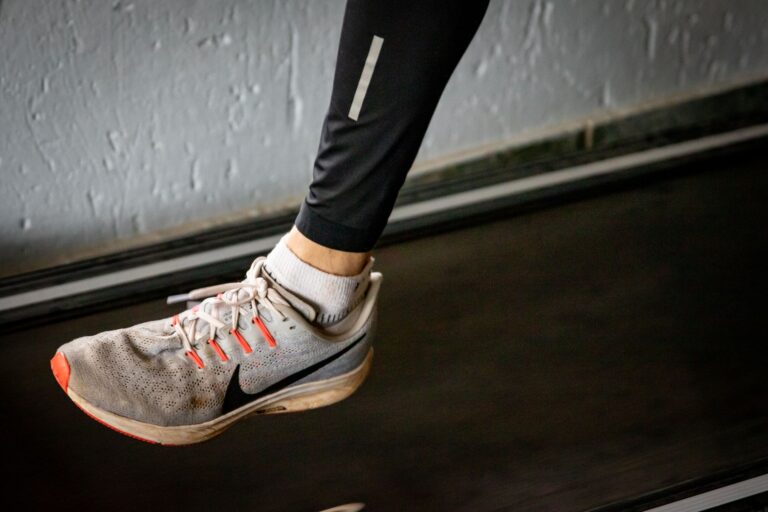
Prime Day shopping events have become a significant opportunity for runners seeking discounted premium footwear, with major brands frequently offering substantial price reductions during these sales periods. While the specific 52 percent discount mentioned may apply to select models, running shoe deals during Prime Day typically range from 20 to 50 percent off across inventory clearance and end-of-season stock. A runner interested in upgrading from entry-level shoes might find a pair of Hoka Clifton models, normally priced around $130–$140, marked down to more accessible price points, making this an appropriate time for those who’ve delayed purchases due to cost.
The three brands featured—Hoka, Asics, and Saucony—represent different approaches to running shoe construction and fit, each with loyal user bases and distinct technical strengths. Prime Day serves runners who are familiar with one brand but curious about alternatives without full retail price commitment. These sales events also attract experienced runners replacing worn shoes after regular training mileage accumulation.
Table of Contents
- What to Expect When Shopping Prime Day Running Shoe Sales
- Comparing Performance Across Hoka, Asics, and Saucony
- Fit and Sizing Considerations When Purchasing During Sales
- Evaluating True Discount Depth and Historical Pricing
- Common Pitfalls When Purchasing Sale Running Shoes
- Checking Shoe Technology and Support Features
- Timing and Inventory Patterns in Prime Day Sales
- Frequently Asked Questions
What to Expect When Shopping Prime Day Running Shoe Sales
During Prime Day events, running shoe availability varies significantly by size, model generation, and brand. Retailers typically discount previous-season models more heavily than current-year releases, meaning a deeply discounted shoe may have been superseded by a newer version with updated cushioning geometry or upper fit. Hoka’s popular Clifton and Bondi lines, Asics’ Gel-Kayano and Nimbus families, and Saucony’s Ride and Guide series are common sale candidates, though specific markdown percentages differ by retailer and inventory position.
The key limitation is that availability is unpredictable. High-demand sizes such as 9–10 for men and 7–8 for women often sell through in the first hours of a sale event, while niche sizes may have broader selection remaining. Runners who identify a specific model prior to Prime Day and set alerts have a better chance of securing a purchase at their correct size than those browsing available inventory during peak sale hours.
Comparing Performance Across Hoka, Asics, and Saucony
Hoka generally positions itself toward comfort and cushioning, with thicker midsole stacks and rocker geometry designed to reduce joint stress. Asics emphasizes stability and personalized fit through its gel cushioning systems and various support tiers, making it a common choice for runners with pronation concerns. Saucony bridges these approaches with moderate cushioning and responsive ride characteristics, appealing to runners seeking neither maximum cushioning nor minimal stack heights.
A critical warning when evaluating these brands on sale: a discount does not indicate suitability for your running pattern or foot structure. A runner accustomed to stability features in an Asics shoe may find a discounted Hoka neutral shoe unsupportive regardless of price, potentially increasing injury risk. Similarly, previous-generation models may have cushioning that compresses over time differently than current versions, affecting long-term wear and comfort during higher mileage weeks.
Fit and Sizing Considerations When Purchasing During Sales
Running shoe fit varies substantially both within a brand and across brands. Hoka shoes typically run narrow to average in the midfoot, requiring some runners to size up half a size to avoid heel slipping. Asics generally fits true to size but with regional variation—some models run slightly wide. Saucony similarly offers both narrow and standard fits across its line.
During Prime Day, return windows are often strictly limited to 30 days, and some marketplace sellers impose shorter return periods or restocking fees. Before committing to a discounted purchase, confirm your actual running shoe size by visiting a specialty running store for a gait analysis if you have not done so within the past year. Foot structure changes with age and training volume, and a size that fit well two years ago may no longer be optimal. Purchasing based on remembered sizing rather than current fit is a frequent cause of discomfort and wasted sale spending.
Evaluating True Discount Depth and Historical Pricing
Not all Prime Day running shoe prices represent genuine discounts. Some retailers intentionally inflate reference prices before marking them down to appear to offer larger percentage reductions than actual savings. Cross-checking a shoe’s price across multiple retailers, reviewing historical prices on tracking websites, and comparing advertised discounts against standard retail msrp helps identify whether a specific deal is genuinely favorable.
High-quality running shoes typically cost between $120 and $160 at full retail depending on brand and feature set. A shoe listed at $180 marked down to $85 may sound attractive but could represent a floor price for that model elsewhere, not a rare opportunity. Conversely, a less visible model from a premium brand marked at $75 might represent a legitimate clearance worth pursuing if it meets your fit and performance requirements.
Common Pitfalls When Purchasing Sale Running Shoes
Runners frequently make impulse purchases during Prime Day sales based on price alone rather than need, resulting in closets with multiple pairs and significant cash spent on shoes that receive minimal use. Establish before shopping whether you have a specific need—replacing worn shoes, adding a second pair for cross-training, or testing a new brand—rather than shopping for bargains generally.
Another hazard: purchasing multiple sizes speculatively with intent to keep only the correct fit. This practice violates many retailers’ return policies and can result in additional shipping costs or restocking fees if the retailer later flags this as problematic behavior. A single careful purchase in your verified size is more economical than testing several sizes during a return window.
Checking Shoe Technology and Support Features
Before finalizing a purchase, verify the specific model’s technology stack: cushioning type, midsole composition, upper breathability, and any stability features if relevant to your needs. Hoka’s meta-rocker technology, Asics’ gel units, and Saucony’s pwrrun foam are distinguishing characteristics that affect how shoes perform during various run intensities and distances. Sale listings sometimes downplay or omit these details, requiring you to review the manufacturer’s product page to confirm features matter for your training.
Timing and Inventory Patterns in Prime Day Sales
Prime Day sales typically occur annually in mid-July, though occasional secondary sales events occur during other periods. Shoe manufacturers also offer sample sales and outlet clearance events outside Prime Day that can yield comparable discounts. Tracking when you purchase impacts not just immediate savings but long-term wear—shoes purchased late in a calendar year have greater mileage potential before the next planned replacement cycle compared to early-year purchases.
Frequently Asked Questions
Will a discounted previous-season running shoe perform significantly differently than the current model?
Shoe cushioning and support may perform similarly for most runners, but midsole compounds can compress differently over time. If the current-season version features updated geometry or materials, performance during high-mileage weeks might diverge, though both shoes remain functional for training.
How can I verify my correct running shoe size before buying on sale?
Visit a specialty running store for a gait analysis, or use a retailer’s video fitting service. Do not rely on sizes from shoes purchased years ago, as foot structure changes with age and training volume.
Are marketplace sellers offering bigger Prime Day discounts than official brand stores?
Marketplace sellers sometimes offer deeper discounts on overstock or previous inventory, but check return policies carefully—many impose shorter windows or additional fees compared to official retailers.
Should I buy multiple pairs if the discount is steep?
Only if you have a verified use for additional shoes. Purchasing speculatively wastes money and often violates return policies if you attempt to return unused pairs later.
Can I return a running shoe purchased during Prime Day if it doesn’t fit?
Return windows vary by retailer, typically 30 days during sales periods. Some marketplace sellers offer shorter windows. Confirm the policy before purchase, not after.