
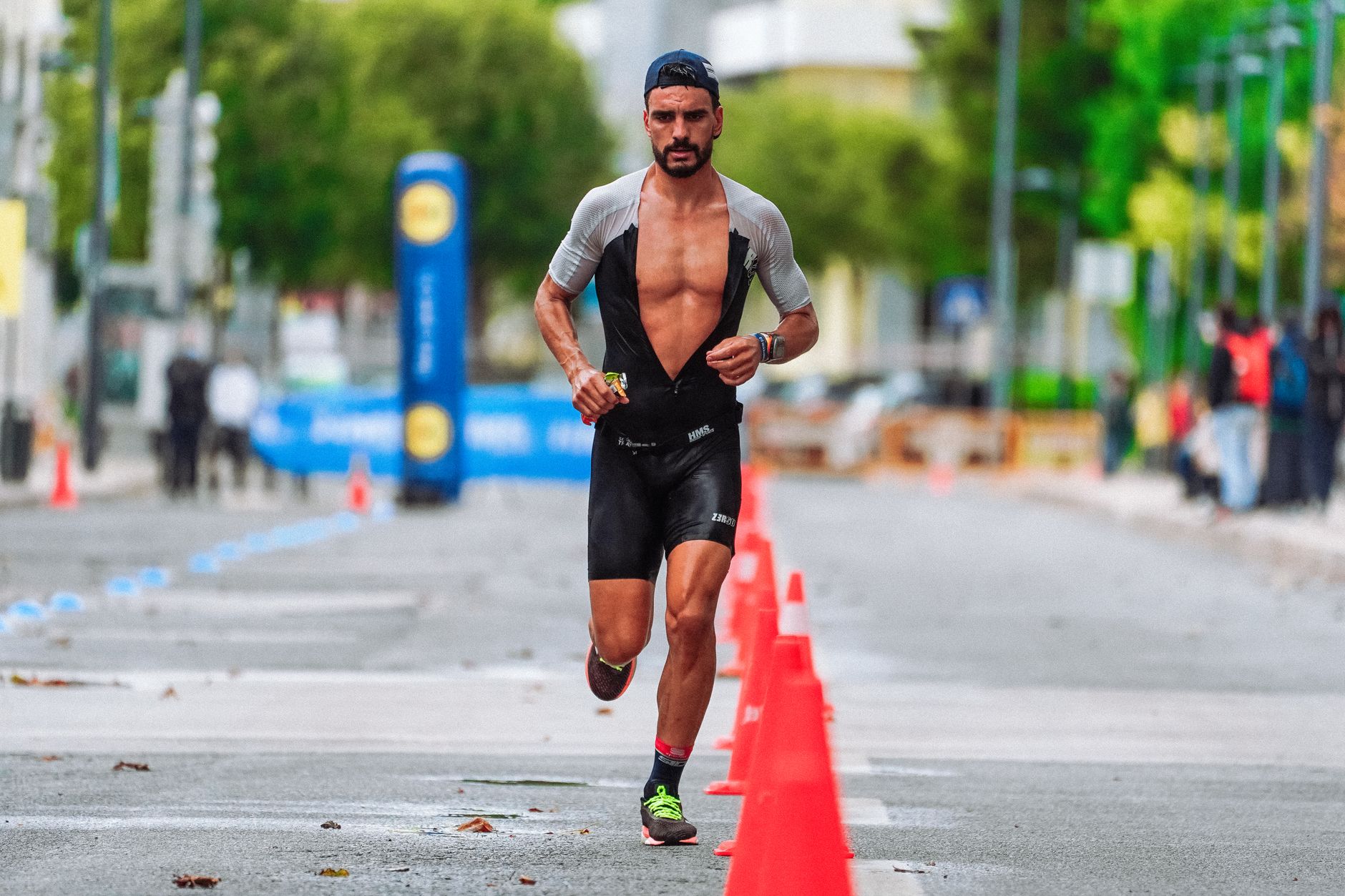
This marathon training guide for 2026 shows health-focused runners how to build fitness, recover between hard sessions, and stay safe. Marathon training means steady mileage growth built around one long run, one speed session, and recovery days. According to the Peloton training guide, first-time marathoners typically start from a 20-30 mile per week base over 12-32 weeks and reach about 30-40 miles per week, while experienced runners peak near 50-60-plus miles per week Peloton marathon training guide. That range helps you pick a plan that matches your history.
Medical information disclaimer: This article is for general educational purposes only and does not provide medical advice, diagnosis, or treatment. Always consult a physician or other qualified health professional about symptoms, medications, tests, or treatment decisions.
Table of Contents
- How should you structure training weeks?
- What should you eat for heavy training and recovery?
- How much should you drink during the marathon?
- How do you stay safe in heat?
- How do you make race day predictable?
How should you structure training weeks?
Keep most weeks similar, then raise mileage and intensity in small steps. Jackson MS coaching guidance emphasizes gradual progression because steady aerobic growth lowers overuse-injury risk, while sudden jumps or too little volume leave runners injured or underprepared.
A practical week includes one long run, one faster workout, easy or rest days, and enough sleep. Use recovery days for easy movement, normal meals, and extra rest rather than added hard effort.
- one weekly long run to build endurance
- one speed session for fitness
- easy days and at least one full recovery day
- cut back for a lighter week after two to three building weeks
What should you eat for heavy training and recovery?
Hard blocks demand more carbohydrate to restore glycogen and support the next session. The International Society of Sports Nutrition ultra-marathon position stand notes that runners training 2-3 hours per day, 5-6 times per week, often need higher daily carbohydrate and extra food above maintenance on recovery days.
For protein, the ISSN protein and exercise position stand advises 1.4-2.0 grams per kilogram per day for exercising adults, with endurance athletes in the lower-to-middle range and higher intake on heavy days, plus 30-40 grams of pre-sleep casein to raise overnight muscle protein synthesis ISSN position stand on protein and exercise. Spread protein across meals and eat soon after long or intense sessions.
How much should you drink during the marathon?
Drink to thirst rather than forcing a fixed schedule. The BMJ review by T.D. Noakes advises about 400-800 mL per hour and not more than about 800 mL per hour in marathons, because thirst-guided intake helps prevent both severe dehydration and exercise-associated hyponatremia from overdrinking BMJ review on fluid balance.
Hyponatremia means dangerously low blood sodium. The American College of Sports Medicine framework from the same era similarly points to 0.4-0.8 liters per hour with sodium plus carbohydrate for long efforts, keeping body-mass loss under 2 percent, then replacing 1.25-1.5 liters per kilogram lost afterward. Practice your cup timing, sports-drink mix, and thirst cues on long runs.
How do you stay safe in heat?
Run earlier or later, pace exertion, drink extra water, and check local HeatRisk and air quality before heading out. The CDC advises athletes, coaches, and parents to avoid the hottest hours, use a buddy system, and get immediate care for warning signs CDC guidance for athletes in heat. Get help fast for confusion, slurred speech, fainting, hot and dry skin, seizures, or very high temperature.
- pace effort and take breaks
- bring water and drink to thirst
- skip or shorten runs in high heat or poor air
- run with a partner who knows the warning signs
How do you make race day predictable?
Needs vary sharply by body size, pace, heat, and sweat rate. The U.S.
Navy marathon guide and ISSN recovery principle warn against copying a fixed fuel, fluid, or sleep schedule. Rehearse your exact breakfast, gels or drinks, hydration timing, clothing, and extra-sleep or nap plan during training and record what worked. Arrive with one tested plan plus one heat adjustment.