
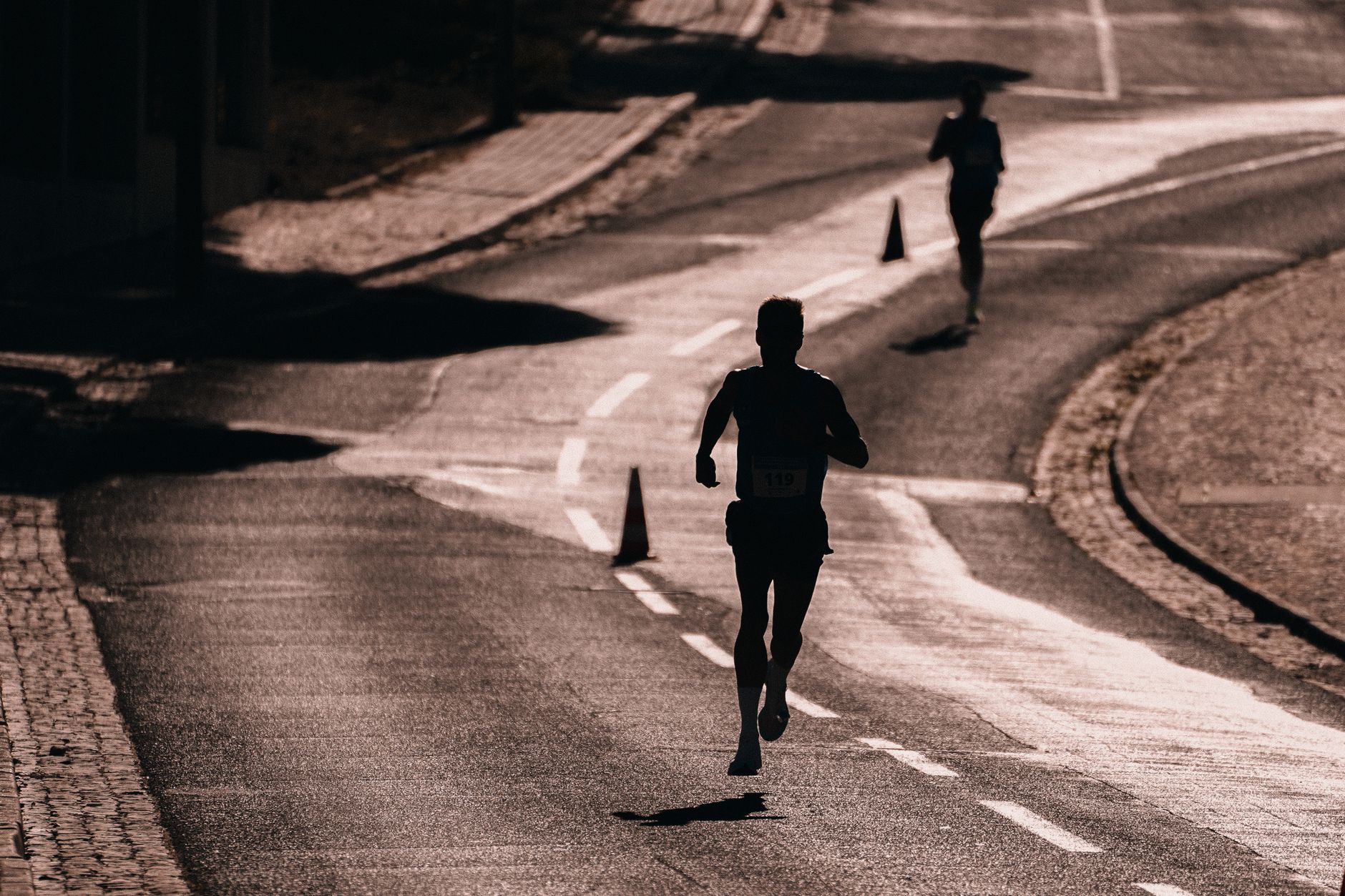
A complete marathon checklist covers progressive training, race-tested gear, carbohydrate fuel, personalized hydration, and event rules. Prepare each part before race week, then follow a simple packing and timing plan on race morning. The key principle is rehearsal. Use long training runs to test what you will wear, eat, carry, and drink without treating any target as a rigid quota.
Medical information disclaimer: This article is for general educational purposes only and does not provide medical advice, diagnosis, or treatment. Always consult a physician or other qualified health professional about symptoms, medications, tests, or treatment decisions.
Table of Contents
- Build toward race day, then taper
- Pack essential, tested, permitted gear
- Turn carbohydrate targets into a fuel schedule
- Estimate fluid needs without forcing intake
- Adjust the checklist for heat and race morning
Build toward race day, then taper
Work backward from the marathon. Schedule progressive training, recovery weeks, a peak phase, and enough time to reduce the load before the race. A 2023 University of Galway study found that marathon plans commonly peak about four to six weeks before race day and taper during the final two to three weeks.
A taper is a planned reduction in training that allows recovery before the event. Use your later long runs as full rehearsals. Practice your expected start time, clothing, pre-run meal, fuel schedule, and hydration plan. Record what worked and change one variable at a time.
Pack essential, tested, permitted gear
Start with the items required to run comfortably and enter the race. Keep optional convenience items separate so they do not hide something essential. Check the organizer's current rules before packing.
For example, the Boston Athletic Association's 2026 rules and policies prohibit backpacks, containers larger than one liter, personal hydration systems, and pocketed or liquid-bladder vests. Lay out the complete kit several days ahead. Try it on together, confirm that your fuel fits within permitted storage, and keep race essentials in one place.
- Shoes, socks, shorts or tights, and a top used during training
- Race bib and the required fasteners
- Watch or timing device, if wanted, plus a charged battery
- Tested gels, chews, or drink products
- Allowed bottle, belt, or other carrying system
Turn carbohydrate targets into a fuel schedule
Plan the pre-race meal by body weight and timing. USADA's 2026 nutrition guide advises 3–4 grams of carbohydrate per kilogram three to four hours before prolonged exercise, or 2–3 g/kg two to three hours beforehand. It also recommends limiting fat and fiber to reduce gastrointestinal upset. For a 70-kilogram runner, those ranges equal 210–280 grams at three to four hours or 140–210 grams at two to three hours. Treat the calculation as a starting point, then choose an amount and foods you have tolerated during training.
During moderate-to-high-intensity endurance exercise, USADA lists 30–60 grams of carbohydrate per hour for efforts lasting roughly one to 2.5 hours. The target rises to about 90 grams per hour around 2.5–3 hours because glycogen, the body's stored carbohydrate, can limit performance. Convert your chosen target into actual servings. If a hypothetical gel contains 25 grams, two per hour provide 50 grams. Rehearse the exact products, timing, and water pairing because gastrointestinal tolerance differs between runners.
Estimate fluid needs without forcing intake
Estimate your sweat loss during a representative training run. Weigh yourself before and after, record how much you drank, add that fluid to the measured loss, and divide by the exercise duration. Use the result as planning information, not a mandatory drinking quota. For long, intense sessions, USADA says a sports drink containing 6–8% carbohydrate can provide fuel while sodium supports fluid retention.
Its guide identifies at least 110 milligrams of sodium per eight ounces as a useful benchmark. Avoid forced overdrinking. Exercise-associated hyponatremia means low blood sodium during or within 24 hours after prolonged activity, and the Wilderness Medical Society guideline identifies drinking beyond thirst as a leading cause. Balance your training-based estimate with thirst instead of chasing a fixed volume regardless of conditions.
Adjust the checklist for heat and race morning
Heat changes the clothing and pacing decisions. The CDC's guidance for athletes in hot conditions recommends loose, lightweight, light-colored clothing, cooler workout times, and conservative pacing.
Stop and cool down if you feel faint or weak. Put race morning into a fixed sequence:.
- Eat the rehearsed meal at the planned time.
- Dress in the complete tested kit and attach the bib.
- Pack only permitted fuel and hydration equipment.
- Review fuel timing and use the restroom before entering the start area.
- Pace conservatively when conditions are hot.
1 thought on “Marathon Checklist: Gear, Hydration, and Preparation”
Comments are closed.