Treadmill running isn’t quite as good as outdoor running, but the difference matters less than most runners think. A treadmill can deliver solid cardiovascular benefits and consistency, but it removes key muscular demands that outdoor terrain provides. The gap narrows significantly if you understand what you’re losing and how to compensate for it.
The most concrete difference is muscular engagement. When you run outside, your glutes, hamstrings, and stabilizer muscles work harder to push off uneven surfaces and propel you forward without the belt’s help. On a treadmill, the belt moves beneath you, reducing the push-off effort required. A runner training for a road marathon will gain better preparation running outside, while someone building aerobic fitness can do it effectively on either surface—the cardiovascular demand is similar.
Table of Contents
- DOES TREADMILL RUNNING BUILD THE SAME MUSCLE AND POWER?
- ENVIRONMENTAL FACTORS AND IMPACT DIFFERENCES
- AEROBIC CAPACITY AND CARDIOVASCULAR BENEFITS
- WHEN TO USE A TREADMILL AND WHEN TO RUN OUTSIDE
- RUNNING ECONOMY AND PACE DIFFERENCES
- IMPACT AND INJURY PATTERNS
- BLENDING TREADMILL AND OUTDOOR RUNNING FOR BEST RESULTS
- Conclusion
DOES TREADMILL RUNNING BUILD THE SAME MUSCLE AND POWER?
No, treadmill running doesn’t build the same muscular power as outdoor running. The belt’s motion reduces the muscular work required during the push-off phase, which means your glutes and calves aren’t working as hard. Studies show that outdoor running produces greater muscle activation in the lower legs, particularly in the calf and ankle stabilizers. Someone who trains only on a treadmill may find that their first few outdoor runs feel noticeably harder, especially if they involve hills or varied terrain.
A practical workaround is to incline your treadmill to 1-2% grade, which partially mimics the muscular demands of outdoor running. At a 1% incline, the workload approaches what outdoor running demands. Without this adjustment, treadmill running remains easier on the muscles, which is partly why treadmill running feels less taxing at the same pace. Experienced runners often report they can run faster on a treadmill than they can sustain outdoors, a phenomenon directly tied to reduced muscular demand.

ENVIRONMENTAL FACTORS AND IMPACT DIFFERENCES
Outdoor running exposes you to weather, wind resistance, and uneven surfaces—all factors that increase cardiovascular and muscular demand. A 10-mile-per-hour run outdoors is genuinely harder than a 10-mile-per-hour run on a flat treadmill. Wind resistance alone can increase energy expenditure by 2-4% in calm conditions and significantly more on windy days. Treadmill running also lacks the ground-impact variation that outdoor running provides, which can be a limitation for certain training goals but also means less repetitive stress on joints in some ways.
The psychological experience differs too, and this has real training implications. Outdoor running requires active navigation and mental engagement that treadmill running doesn’t demand. Your brain works harder outdoors, which can make the run feel longer or harder. For some runners this is a drawback, but for others it’s the entire point—outdoor running builds mental resilience. The other side of this coin is that treadmill running allows you to focus on mechanics, control pace precisely, and sustain consistent effort, which is valuable for specific training phases.
AEROBIC CAPACITY AND CARDIOVASCULAR BENEFITS
The cardiovascular system responds well to treadmill training. Your heart rate, oxygen consumption, and aerobic adaptations happen similarly whether you’re running indoors or outside. If your goal is to build VO2 max or improve aerobic fitness, a treadmill works. Many elite runners and coaches use treadmills for controlled interval workouts specifically because the pace remains consistent.
A runner doing six 800-meter repeats will get equivalent cardiovascular stimulus from a treadmill as from a track, though the muscular demand will be different. The limitation here is practical rather than physiological: treadmill training doesn’t prepare you specifically for the mechanical demands of outdoor racing. If you’re training for an outdoor road race or trail event, some of your weekly mileage should be outside. A 70/30 split (70% outdoors, 30% treadmill) gives you the consistency benefits of a treadmill while building the specific adaptations your body needs for outdoor running.
WHEN TO USE A TREADMILL AND WHEN TO RUN OUTSIDE
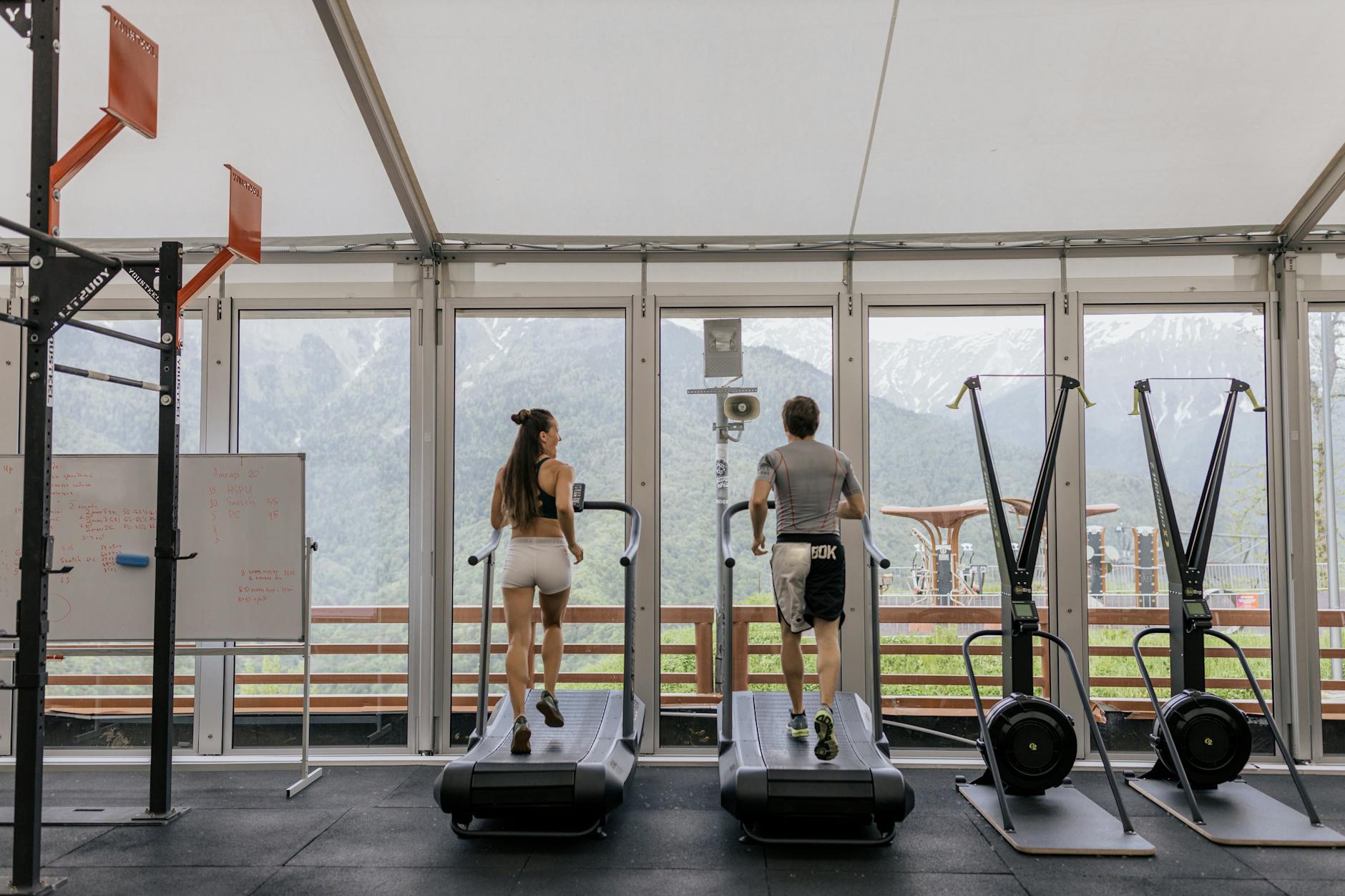
Use a treadmill when weather makes outdoor running unsafe or when you need precise pace control for structured intervals. Treadmill running is also better for runners with certain joint issues who benefit from the cushioned belt. Someone recovering from an injury might start on a treadmill’s forgiving surface before progressing to outdoor running. Time constraints matter too—a 30-minute treadmill run before work is better than skipping the session.
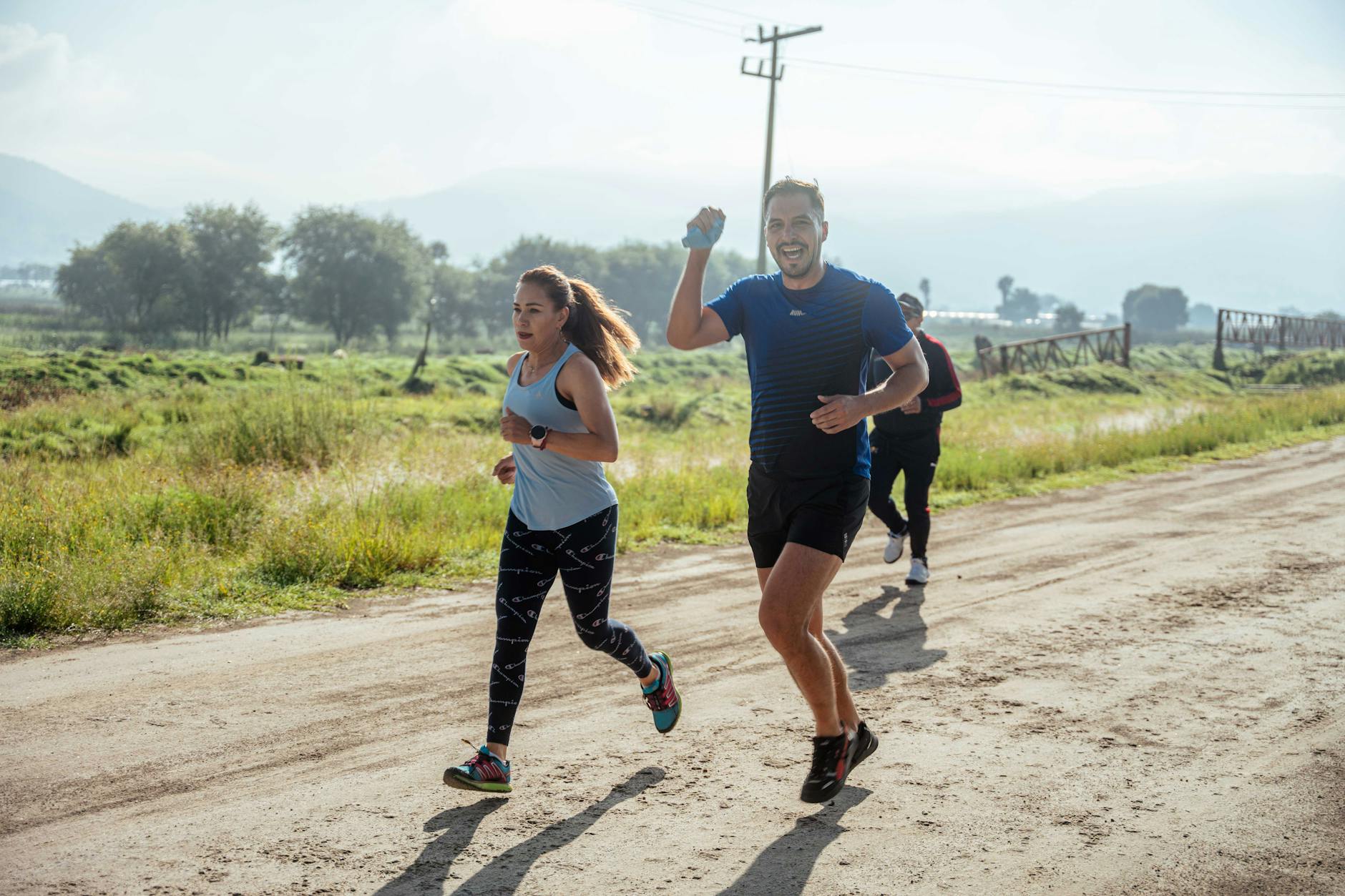
Run outside when you’re training for an outdoor event, when you want to build greater overall muscular strength, or when you need mental engagement from varied terrain. A comparison: a runner training for a half-marathon should do the bulk of long runs outside, but a treadmill can handle one weekday run. A runner with limited time and no upcoming race can maintain fitness effectively on a treadmill year-round, though they’d see better gains on pavement if they had the option. The tradeoff is consistency versus specificity.
RUNNING ECONOMY AND PACE DIFFERENCES
Treadmill running can artificially boost perceived fitness because the belt assists your movement. A runner hitting 6-minute miles on a treadmill might struggle with 6:30 miles outdoors. This isn’t a flaw in the runner—it’s a real difference in mechanical demand. Your leg muscles have to generate more power outdoors, which naturally slows your pace.
This matters for training because if you’re using treadmill workouts to gauge fitness, understand that your outdoor pace will be slower. A warning: don’t assume your treadmill pace translates directly outdoors. Most coaches apply a 10-15 second per mile adjustment when converting treadmill pace to outdoor equivalent. A runner who can sustain 6:45 per mile on a treadmill might be a 7:00 per mile outdoor runner, depending on conditions and fitness level. Using treadmill pace as a direct measure of running fitness is a common mistake that leads to pacing errors in races and outdoor training runs.
IMPACT AND INJURY PATTERNS
Treadmill running produces different injury patterns than outdoor running. The consistent surface and cushioned belt reduce impact forces, which sounds beneficial, but it also means less adaptation to the varied stresses of outdoor terrain. Runners who do all their training on treadmills sometimes develop different muscular imbalances than outdoor runners.
The stabilizer muscles work differently, which can mask weaknesses that show up when you eventually run outdoors. Conversely, for runners with impact-sensitive knees or those returning from injury, a treadmill’s cushioning provides a genuinely safer training environment. Someone with patellar tendinitis might tolerate treadmill running better than road running while still building fitness.
BLENDING TREADMILL AND OUTDOOR RUNNING FOR BEST RESULTS
The evidence suggests that a mixed approach works best. Most serious runners incorporate both treadmill and outdoor running strategically rather than committing exclusively to either. Treadmill training excels for structured workouts, consistency in poor weather, and controlled pacing during base-building phases.
Outdoor running builds the muscular power and specific adaptations that racing demands. Looking forward, runners who want maximum benefit should think of treadmill and outdoor running as complementary tools rather than competitors. Your training plan might include treadmill intervals for cardiovascular stimulus during winter months, outdoor long runs for specific race preparation, and outdoor easy runs for adaptation to racing terrain. This approach gives you the efficiency of treadmill training plus the complete preparation that outdoor running provides.
Conclusion
Treadmill running is a legitimate training tool that builds aerobic fitness and allows consistency regardless of weather or schedule. However, it doesn’t fully replace outdoor running because it reduces muscular demand and removes the variables that outdoor terrain demands. For general fitness, a treadmill is effective.
For racing preparation or maximum muscular development, outdoor running should be your primary venue. The practical answer is this: use a treadmill when it serves your immediate needs, but don’t exclusively rely on it if you have outdoor running goals. A runner who runs 50% of the year on a treadmill and 50% outside will be better prepared than someone who’s committed fully to either one. The question isn’t which is better—it’s how to use both to become the runner you want to be.