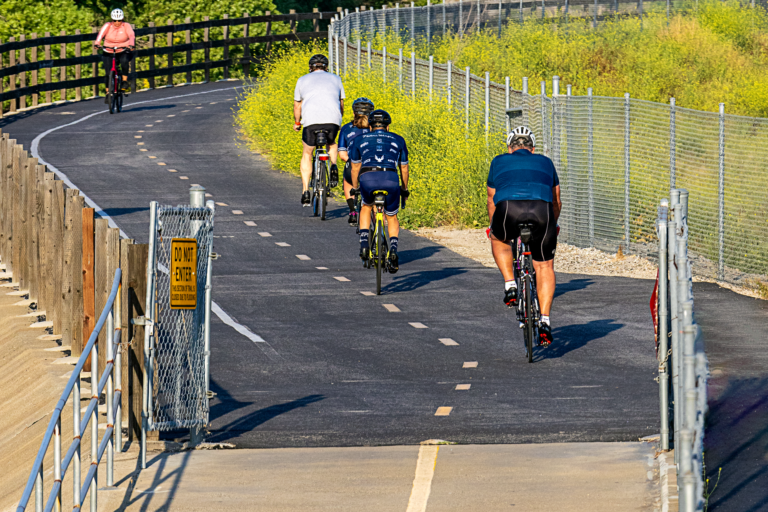
Intensity minutes—those brief bursts of elevated heart rate activity woven into your day—can genuinely extend both the quality and length of your life after 60. Research consistently shows that people over 60 who accumulate just 75 minutes of vigorous activity per week (or 150 minutes of moderate activity) have significantly lower mortality rates, better mobility, and stronger independence in their later years compared to sedentary peers. Consider Margaret, a 63-year-old who added three 20-minute intervals of brisk hill walking to her weekly routine; within six months, she noticed improved energy levels, better blood sugar control, and an ease climbing stairs that she hadn’t felt in years.
The beauty of intensity minutes is that they don’t require a gym membership or hours of time commitment. They’re about strategic effort—pushing your cardiovascular system hard enough to matter, consistently enough to build results. For people over 60, this approach has become a cornerstone of preventive health, not because it’s trendy, but because the science is clear: your heart, muscles, and metabolism all respond powerfully to intensity, and the benefits compound over time.
Table of Contents
- Why Intensity Minutes Matter More After 60
- The Cardiovascular Benefits and Metabolic Shifts
- Building and Preserving Muscle After 60
- Making Intensity Minutes Practical and Sustainable
- Injury Risk and Recovery Considerations
- Mental Health and Cognitive Benefits
- Building a Sustainable Long-Term Practice
- Conclusion
Why Intensity Minutes Matter More After 60
After 60, your body naturally begins losing muscle mass and bone density at an accelerating rate—a process called sarcopenia that claims roughly 3 to 8 percent of muscle per decade. Sedentary living accelerates this decline significantly. Intensity minutes interrupt that decline by forcing your muscles and bones to work hard enough that they adapt and strengthen. When you push into a higher heart rate zone, even for short periods, you trigger metabolic changes that protect lean muscle, improve insulin sensitivity, and strengthen your cardiovascular system in ways that gentle activity alone cannot achieve. The difference between moderate activity and intensity is measurable. A 65-year-old walking casually burns roughly 250 calories per hour and elevates heart rate to about 60 percent of maximum.
The same person doing interval walking—alternating between easy and hard efforts—burns 400 to 450 calories in the same timeframe and pushes heart rate to 75 to 85 percent of maximum. That physiological difference translates to stronger protective effects against heart disease, stroke, and cognitive decline. A limitation many people overlook: intensity minutes are harder to recover from than moderate activity, especially in early training. Your body needs adequate sleep and nutrition to adapt properly. Someone jumping abruptly into high-intensity work without proper base fitness risks injury or burnout. Start conservatively, build gradually, and listen to warning signs like persistent soreness or elevated resting heart rate.

The Cardiovascular Benefits and Metabolic Shifts
Your heart is a muscle that responds to training just like any other. When you do intensity work, you’re teaching your heart to pump more efficiently and recover faster. This improved cardiac function translates directly to lower resting heart rate, better blood pressure control, and reduced risk of arrhythmias—all major concerns for people over 60. Studies of people in their 60s and 70s show that those performing regular vigorous activity have cardiovascular profiles resembling people 10 to 15 years younger. Beyond the heart itself, intensity minutes create metabolic advantages. High-intensity effort activates your fast-twitch muscle fibers, which are the first to atrophy with age.
This activation triggers increases in mitochondrial density—the powerhouses of your cells—which improves your body’s ability to process energy throughout the day. Many people also experience improved insulin sensitivity and better blood sugar control after starting intensity work, which is particularly valuable for managing or preventing type 2 diabetes, a condition affecting nearly half of people over 65. A key limitation: cardiovascular adaptations take time. You won’t see dramatic changes in resting heart rate or blood pressure in two weeks. Measurable improvements typically emerge over 8 to 12 weeks of consistent work. Additionally, people with existing heart conditions or uncontrolled blood pressure running/” title=”Should I Stretch Before Running”>should always consult with their doctor before beginning intense exercise, as intensity work can briefly elevate blood pressure during the effort itself.
Building and Preserving Muscle After 60
Muscle loss accelerates after 60 in ways that are often invisible until you notice difficulty opening a jar, rising from a chair, or carrying groceries. Intensity work—particularly efforts that include resistance or speed components—directly counteracts this. A 67-year-old might begin cycling at a moderate pace, but adding intervals of hard effort maintains fast-twitch muscle fibers and sends a powerful signal to the body that these muscles are needed. The neurological component is equally important. Intensity demands coordination, balance, and quick muscle recruitment in ways that steady-state activity doesn’t.
This neural stimulus helps preserve the mind-muscle connection, which deteriorates with age and inactivity. Someone doing interval running is not just building strength; they’re maintaining the nervous system’s ability to recruit muscles quickly—essential for preventing falls and maintaining agility. A practical example: James, 62, noticed his legs felt weaker on stairs despite regular walking. He added two weekly sessions of hill sprints—short, all-out efforts uphill—lasting only 5 to 10 minutes total. Within four weeks, his leg strength visibly improved and his confidence returning to hiking returned. The intensity, though brief, was more effective at preserving leg power than his previous moderate walking routine had been.

Making Intensity Minutes Practical and Sustainable
The most common mistake is thinking intensity requires specialized equipment or athletic ability. You can create intensity with a brisk walk, stairs, a bicycle, swimming, rowing, or any activity you can sustain at high effort. A practical framework: choose something you already do or enjoy, then add intervals. Walk your usual route, but spend 3 minutes at a hard effort, then recover at an easy pace for 2 to 3 minutes. Repeat 4 to 5 times. That’s 12 to 15 minutes total, with 12 minutes of genuine intensity. The tradeoff between intensity and volume is important to understand.
Traditional advice emphasized long, steady exercise. Intensity work achieves similar or better results in less time, but it feels harder—your body is working nearer to its limits. This means some people find it more sustainable (less time required), while others prefer the meditative quality of longer, easier efforts. The best approach is the one you’ll actually do consistently, which often means building intensity gradually into existing activities rather than adding an entirely new routine. A comparison: 45 minutes of easy walking weekly produces modest cardiovascular benefits. The same person doing 150 minutes of moderate activity, or 75 minutes of vigorous activity, shows markedly better outcomes. But realistically, someone with limited time often does better with 20 minutes of intensity work twice weekly than trying to maintain 150 minutes of moderate activity and burning out. The intensity approach is time-efficient, which matters for people balancing work, family, and health.
Injury Risk and Recovery Considerations
Intensity work carries higher injury risk than gentle movement, particularly in people over 60 whose connective tissues are less resilient and recovery capacity is diminished. A common warning: jumping straight into intense effort without a base level of fitness invites injury. Your joints, tendons, and ligaments adapt more slowly than your cardiovascular system, so the pain or soreness you feel days after intense activity is often your connective tissues catching up. The recovery demand is real.
Intense effort creates muscle damage (in a positive sense—it’s the stimulus for growth), but repairing that damage requires adequate protein, calories, sleep, and time. A person doing high-intensity work twice weekly needs at least one full rest day between efforts. Many people over 60 find that sleeping poorly after starting intensity work, or training on consecutive hard days, leads to setbacks or minor injuries. Warning signs to respect: sharp pain (not muscle soreness), pain that worsens with movement, or swelling lasting more than a few hours suggests a potential injury rather than normal training soreness. Building in easy days, starting conservatively with intensity (perhaps one session weekly, building to two), and paying attention to sleep and nutrition are not optional—they’re essential to sustaining intensity work safely past 60.

Mental Health and Cognitive Benefits
The neurological benefits of intensity work extend beyond muscle preservation to mood and cognitive function. Intensity effort triggers dopamine and endorphin release in ways that moderate activity does less reliably. Many people report improved mood, better sleep, and clearer thinking after intensity sessions.
Research on people over 60 shows that those doing vigorous activity have better attention, faster processing speed, and lower risk of cognitive decline. A specific example: Robert, 64, started doing interval rowing twice weekly after his doctor recommended increasing activity. Beyond the obvious fitness improvements, he noticed his memory seemed sharper, his focus at work improved, and his typical afternoon energy slump disappeared. The intensity was brief—each session lasted 20 minutes—but the cognitive impact was substantial enough that he credits it with revitalizing his work performance.
Building a Sustainable Long-Term Practice
The trajectory that works for most people over 60 is starting conservatively—one session of intensity work weekly—and gradually building to two sessions weekly with at least two to three easy days between them. This conservative approach minimizes injury risk while still delivering the adaptations you’re seeking. After three to four months at this level, many people find that intensity work feels natural, less intimidating, and genuinely enjoyable.
Looking forward, there’s growing recognition that intensity work needs to be lifelong for the protection it offers. The good news: intensity work seems to be one of the most sustainable forms of exercise for people in their 60s, 70s, and beyond. It’s time-efficient, it delivers visible results in weeks and months, and the psychological effect of knowing you’re truly working matters. The people who build intensity into their routine after 60 aren’t just extending their lives—they’re extending the years they feel strong and capable.
Conclusion
Intensity minutes are not a miracle solution, but they’re as close as legitimate health intervention comes. For people over 60, the combination of cardiovascular benefit, muscle preservation, bone density maintenance, and metabolic improvement makes intensity work the most efficient way to extend both lifespan and healthspan. The requirement—brief, hard efforts woven into weekly activity—is achievable for most people regardless of fitness level or circumstance.
Start where you are, build gradually, and be consistent. The payoff arrives in weeks as improved energy and strength, and compounds over years as preserved independence, reduced disease risk, and maintained quality of life. This isn’t about competition or athletic performance; it’s about keeping your body capable of the things that matter.