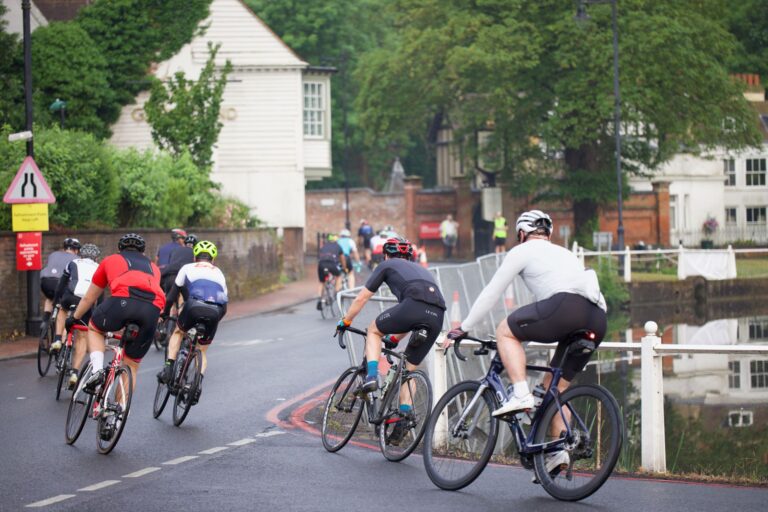
Interval sprints on a bike earn “double credit” because they simultaneously build cardiovascular fitness and muscular strength in a single session—something steady-state cardio cannot do as effectively. When you push hard for 30 seconds at maximum effort, then recover for 90 seconds, your heart is training to pump more blood, your lungs expand their capacity, and your leg muscles are being forced to recruit fast-twitch fibers under anaerobic conditions. This dual stimulus means you’re getting endurance training and strength training at the same time, which is why athletes who include sprint intervals into their routine often see faster fitness gains than those doing either modality alone.
A runner incorporating weekly bike sprint intervals, for example, improves their VO2 max while simultaneously building leg power and resilience against fatigue—benefits that carry directly into better running performance. The efficiency of interval work is what makes it so valuable. A 20-minute bike sprint session can produce the same—or greater—aerobic adaptation as 45 minutes of steady cycling, making it ideal for people with limited training time. This isn’t theoretical; studies comparing interval training to continuous steady-state work consistently show that shorter, more intense efforts produce comparable or superior fitness gains while also triggering greater calorie burn both during and after exercise.
Table of Contents
- Why Interval Sprints Deliver Multiple Fitness Gains in One Workout
- Cardiovascular and Muscular Benefits of Bike Sprint Intervals
- Calorie Burn and Metabolic Adaptation
- Programming Bike Sprints Into a Training Week
- Recovery Demands and Overtraining Risk
- Monitoring Progress and Adjusting Intensity
- The Broader Role of Cross-Training and Long-Term Fitness
- Conclusion
- Frequently Asked Questions
Why Interval Sprints Deliver Multiple Fitness Gains in One Workout
The reason interval sprints on a bike work so well is rooted in how your body’s energy systems respond to different intensities. During the high-intensity sprint phase, you’re working at or above your lactate threshold, which is the intensity where your body produces lactate faster than it can clear it from your muscles. This triggers adaptations in your aerobic capacity (your heart and lungs), but it also forces your muscles to become more efficient at clearing lactate and utilizing oxygen. The recovery phases give your heart rate a chance to drop but not fully recover, keeping you in a state where you’re priming your cardiovascular system for repeated hard efforts.
A runner or cyclist doing three 1-minute sprints with 2-minute recovery intervals is working at intensities that tax both their aerobic and anaerobic systems. The aerobic system gets trained because you’re sustaining high heart rates throughout; the anaerobic system gets trained because the sprint intensities are too high to be supported by oxygen alone. This explains why interval sessions create such substantial adaptations—you’re essentially getting two different types of training stimulus compressed into one workout. Compare this to 30 minutes of steady running at a moderate pace, and the interval session creates a stronger total adaptation despite using half the time.

Cardiovascular and Muscular Benefits of Bike Sprint Intervals
Bike sprints are particularly effective at building muscular strength because cycling demands significant force production through the quadriceps, hamstrings, and glutes. During a hard sprint, you’re not just cycling at a high cadence; you’re pushing against substantial resistance, which recruits fast-twitch muscle fibers that are responsible for power and explosiveness. This is different from the slow, steady leg recruitment that occurs during easy or moderate cycling. The resistance of the bike during a sprint, especially if you’re using a fixed resistance or climbing a hill, forces your muscles to produce force similar to how strength training does—but with the cardiovascular benefit attached.
This creates what’s sometimes called the “force-velocity trade-off,” where high-intensity efforts train both speed and strength in the same muscle groups. A runner who has been doing mostly easy running and some steady-state cardio will notice a significant improvement in leg power and stride quality after incorporating bike sprint intervals into their weekly routine. Their legs feel snappier during runs, they can maintain faster paces more easily, and they’re less likely to fatigue in the final miles of a race or long run. The warning here is important: because sprint intervals are neuromuscularly demanding, they’re not appropriate to do every day. Most runners and cyclists benefit from one or two bike sprint sessions per week, with at least 48 hours between hard efforts to allow for recovery and adaptation.
Calorie Burn and Metabolic Adaptation
One of the most tangible benefits of interval training is the dramatic difference in calories burned compared to steady-state exercise. A 20-minute bike sprint session burns roughly 300-400 calories during the exercise itself, but what many people don’t realize is that the elevated metabolic rate continues for hours afterward—a phenomenon called EPOC (excess post-exercise oxygen consumption). Your body is literally burning more calories at rest for 24-48 hours following a hard interval session as it repairs muscle fibers, replenishes energy stores, and adapts to the training stimulus. This is sometimes referred to as the “afterburn effect,” and it’s one of the reasons interval training is more efficient for body composition changes than steady-state cardio.
A runner doing 40 minutes of steady cycling at a moderate pace might burn 400-500 calories total with minimal afterburn. The same runner doing 20 minutes of bike sprints might burn 300-400 calories during the session but an additional 200-300 calories over the next 24 hours due to elevated metabolism. This means the total energy expenditure from the shorter, harder session approaches or exceeds the longer, easier session—while also providing superior fitness adaptations. The practical limitation is that sprint intervals are uncomfortable; the psychological barrier to starting a sprint workout is higher than starting an easy ride, so consistency can be harder to maintain for some people.

Programming Bike Sprints Into a Training Week
For runners looking to add bike sprints, the ideal placement is typically 1-2 days per week, ideally on non-consecutive days and not on days immediately before or after your hardest running workouts. If you do a tempo run on Tuesday, adding bike sprints on Wednesday means your legs are dealing with back-to-back hard efforts, which increases injury risk and reduces quality in both sessions. Most experienced runners find that doing bike sprints on a recovery or easy running day—or completely separate from running—produces better results. A practical example: Monday easy run, Tuesday bike sprints, Wednesday off-bike recovery (easy spin or rest), Thursday tempo run, Friday recovery, Saturday long run, Sunday rest.
The structure of the sprint session itself can vary. Beginners often start with shorter sprint durations—20-30 seconds of all-out effort with equal or longer recovery periods. As fitness improves, you can progress to 30-second or 45-second sprints with shorter recoveries, or to longer sustained efforts like 2-minute hard efforts with 2-minute recovery. The key is that “sprint” means truly maximal or near-maximal effort, not just “harder than usual.” A common tradeoff people face is between total volume and intensity: doing six 1-minute all-out sprints is more challenging and produces a greater response than doing 10 1-minute sprints at 90% effort, but it’s also more psychologically difficult and requires more recovery.
Recovery Demands and Overtraining Risk
Because interval training creates substantial stress on your nervous system and musculature, recovery becomes critical in a way that’s different from steady-state training. If you do bike sprints twice in one week, you need adequate sleep, proper nutrition, and easy training days in between. The warning here is that many people underestimate how taxing sprint work is; they’ll add bike sprints to their routine thinking “it’s only 20 minutes” without realizing that 20 minutes of maximal-effort work is more stressful than 60 minutes of steady-state work. This can lead to overtraining, where you’re accumulating fatigue faster than you can recover, resulting in decreased performance, elevated resting heart rate, mood changes, and increased illness or injury.
The other common mistake is doing intervals when you’re already fatigued. Interval training should be done when you’re fresh, ideally early in the week after a rest day or easy training day. Doing a hard bike sprint session on a Friday after four consecutive days of hard training will compromise the quality of the interval work and increase injury risk without providing the adaptation benefit. A practical checkpoint: if your recovery heart rate (how quickly your heart rate drops after a hard effort) is slower than usual, or if your legs feel heavy and sluggish at the start of the sprint session, you may not be ready for maximal efforts and should dial back the intensity or postpone the session.

Monitoring Progress and Adjusting Intensity
One of the challenges with bike sprints is knowing when you’re working hard enough. Unlike running workouts where you have pace as a metric, bike sprints depend more on perceived effort and power output if you have access to a power meter or a smart trainer. For most people without a power meter, the guideline is that your sprint efforts should feel like 9-10 out of 10 intensity—something you couldn’t sustain for more than the allotted sprint duration.
If you finish a 30-second sprint and you could easily do another 30 seconds at the same intensity, you weren’t working hard enough. Tracking progress with bike sprints can be done through simple metrics: how quickly your heart rate drops during recovery intervals, how many high-quality sprints you can complete before fatigue degrades performance, or simply how you feel during and after the session. Some runners use bike sprints as a substitute for short running intervals, and they’ll notice that their running speed in workouts improves over time. A specific example: a runner who starts doing weekly bike sprints in October might notice by January that they’re able to hold their tempo pace at a lower perceived effort, or that their 5K running pace has improved by 20-30 seconds, even if they haven’t done specific running speed work.
The Broader Role of Cross-Training and Long-Term Fitness
Bike sprint intervals are particularly valuable as a cross-training tool because they build fitness and strength while reducing the impact stress that accumulates with high-volume running. This is why many endurance runners and serious competitors incorporate them year-round—not as a replacement for running-specific work, but as a complement that builds capability without increasing injury risk.
Over a multi-year training career, runners who consistently include low-impact, high-intensity training like bike sprints tend to have fewer injuries and more consistent improvement than those who rely exclusively on running for all their training. Looking forward, as training methodologies become more individualized and data-driven, more runners are using bike intervals as a tool to build aerobic capacity during base-building phases or to sharpen fitness before competitions without the impact stress of running-specific intervals. The efficiency gains are real, and the injury-prevention benefits are significant enough that bike sprints have moved from being an optional cross-training activity to a standard component of well-designed training programs for runners at all levels.
Conclusion
Interval sprints on a bike earn “double credit” because they simultaneously build cardiovascular fitness, muscular strength, and power in a single efficient workout. A 20-minute bike sprint session provides adaptation benefits comparable to much longer steady-state efforts while also triggering additional calorie burn through elevated metabolism for hours after exercise. The key to success is programming them appropriately—1-2 times per week with adequate recovery, ensuring they’re done when you’re fresh, and maintaining true maximal-effort intensity.
The practical path forward is to start conservatively if you’re new to sprint intervals: begin with shorter sprint durations (20-30 seconds) and equal or longer recovery periods, then progress as your fitness and comfort improve. Most runners will see noticeable improvements in fitness, leg power, and running performance within 4-6 weeks of consistent bike sprint work. The investment is small in terms of time, but the returns are substantial in terms of fitness gains, making bike sprints one of the most efficient training tools available.
Frequently Asked Questions
How often should I do bike sprint intervals?
Once or twice per week is typically optimal for most runners and cyclists. More frequent sprinting increases injury and overtraining risk without providing additional adaptation benefits. Ensure at least 48 hours between hard interval sessions.
Can bike sprints replace running speed work?
Bike sprints can complement running speed work and provide similar aerobic adaptations with less impact stress, but they don’t fully replace running-specific workouts for runners training for races. The movement patterns are different, and you still need running-specific work to prepare your body for race demands.
What if I don’t have access to a bike? Can I do sprints on a treadmill or outdoors?
Yes. The same interval principles apply to running: hard sprint efforts of 20-45 seconds followed by active recovery. Treadmill sprints are less biomechanically natural than outdoor or bike sprints, so use caution with intensity. Outdoor hill sprints are an excellent alternative to bike sprints.
How long does it take to see fitness improvements from bike sprints?
Most people notice improvements within 3-4 weeks of consistent practice. More substantial adaptations (improved VO2 max, increased power output) typically appear within 6-8 weeks.
Is it better to do bike sprints indoors on a trainer or outdoors?
Both work well. Indoor trainers provide consistent conditions and controlled resistance, making it easier to hit target efforts. Outdoor riding is more engaging and recruits stabilizing muscles. Choose based on convenience and consistency—the best bike sprint session is the one you’ll actually do.
What should I eat before and after bike sprint sessions?
Before: eat 1-2 hours prior (carbs and some protein), or nothing if you’re within an hour of a previous meal. After: eat carbs and protein within 30-60 minutes to support recovery and replenish glycogen stores depleted during hard efforts.