Cardio intensity is essential for a strong heart because it forces the cardiovascular system to adapt and become more efficient. When you push your heart rate into higher zones during exercise, you trigger physiological changes that strengthen the heart muscle itself, improve blood vessel function, and enhance the heart’s ability to pump blood throughout your body. A runner who gradually increases their intensity—moving from steady 5-mile runs to incorporating sprint intervals—will notice their resting heart rate drops over weeks, a clear sign the heart is becoming stronger and more efficient.
The heart is a muscle, and like any muscle, it responds to challenge by becoming more robust. Low-intensity steady-state cardio has its place in a training program, but it doesn’t challenge the heart to adapt the way intensity does. Without regular exposure to higher intensity efforts, your cardiovascular system plateaus, and you lose the opportunity to build the resilience and power your heart needs to handle both athletic demands and everyday life.
Table of Contents
- How Does High-Intensity Cardio Strengthen the Heart?
- The Cardiovascular Adaptations from Intense Training
- The Impact of Cardio Intensity on Heart Rate and Efficiency
- Building Cardio Intensity Safely and Progressively
- Common Mistakes When Pursuing Cardio Intensity
- Cardio Intensity and Long-Term Heart Health
- The Future of Intensity-Based Training for Cardiac Health
- Conclusion
- Frequently Asked Questions
How Does High-Intensity Cardio Strengthen the Heart?
High-intensity cardio works through a principle called progressive overload—you’re asking your heart to work harder, and it responds by building stronger muscle fibers and developing a greater capacity to move blood. During intense exercise, your heart rate climbs, your stroke volume increases (the amount of blood pumped with each beat), and your cardiovascular system becomes more efficient at delivering oxygen to working muscles. Repeat this stimulus regularly, and your heart’s left ventricle becomes more muscular and powerful.
Compare this to a runner who logs easy miles every week without variation. Their cardiovascular system improves initially, but the stimulus eventually becomes routine, and adaptation plateaus. A runner who adds weekly tempo runs or interval sessions continuously challenges their heart, forcing continued adaptation. Research consistently shows that people who incorporate high-intensity intervals see greater improvements in VO2 max and heart strength than those doing steady-state exercise alone.

The Cardiovascular Adaptations from Intense Training
When you regularly train at high intensities, your body makes structural and functional changes. The heart’s chambers enlarge slightly to handle increased blood volume, the muscle wall thickens, and capillary density increases throughout your muscles, meaning more oxygen-delivering blood vessels reach your working tissues. Your mitochondria—the powerhouses of cells—multiply in response to intense effort, allowing muscles to extract and use oxygen more efficiently. Over months, these adaptations compound into a significantly more capable cardiovascular system. One important limitation to understand: the heart’s adaptations are reversible.
If you stop doing intense cardio work, your improvements begin to fade within weeks. This is why elite endurance athletes must maintain intensity training year-round to preserve their gains. Additionally, intensity isn’t a one-size-fits-all approach—an untrained person jumping into high-intensity intervals risks overtraining or injury. Your baseline fitness determines the intensity level that’s actually intense for you. What feels moderately hard for a recreational runner might be dangerously stressful for someone just starting out.
The Impact of Cardio Intensity on Heart Rate and Efficiency
Heart rate variability and recovery are practical measures of a strengthening heart. When your heart becomes stronger, it beats more efficiently, meaning fewer beats are needed to deliver the same amount of blood. An untrained person might have a resting heart rate of 75 beats per minute, while a runner doing regular intense cardio might achieve 50 bpm at rest—a dramatic difference reflecting a much more efficient heart. A specific example: a runner beginning a structured interval program typically sees their resting heart rate drop by 5–15 bpm within 8–12 weeks of consistent training.
Your heart rate recovery—how quickly your heart rate drops immediately after exercise stops—also improves with intensity training. A weak cardiovascular system might take several minutes to recover; a strong one drops significantly within the first 60 seconds after stopping intense effort. This recovery capacity is linked to longevity and cardiovascular health in studies of large populations. Monitoring this metric yourself provides real feedback on your progress without needing lab tests.
Building Cardio Intensity Safely and Progressively
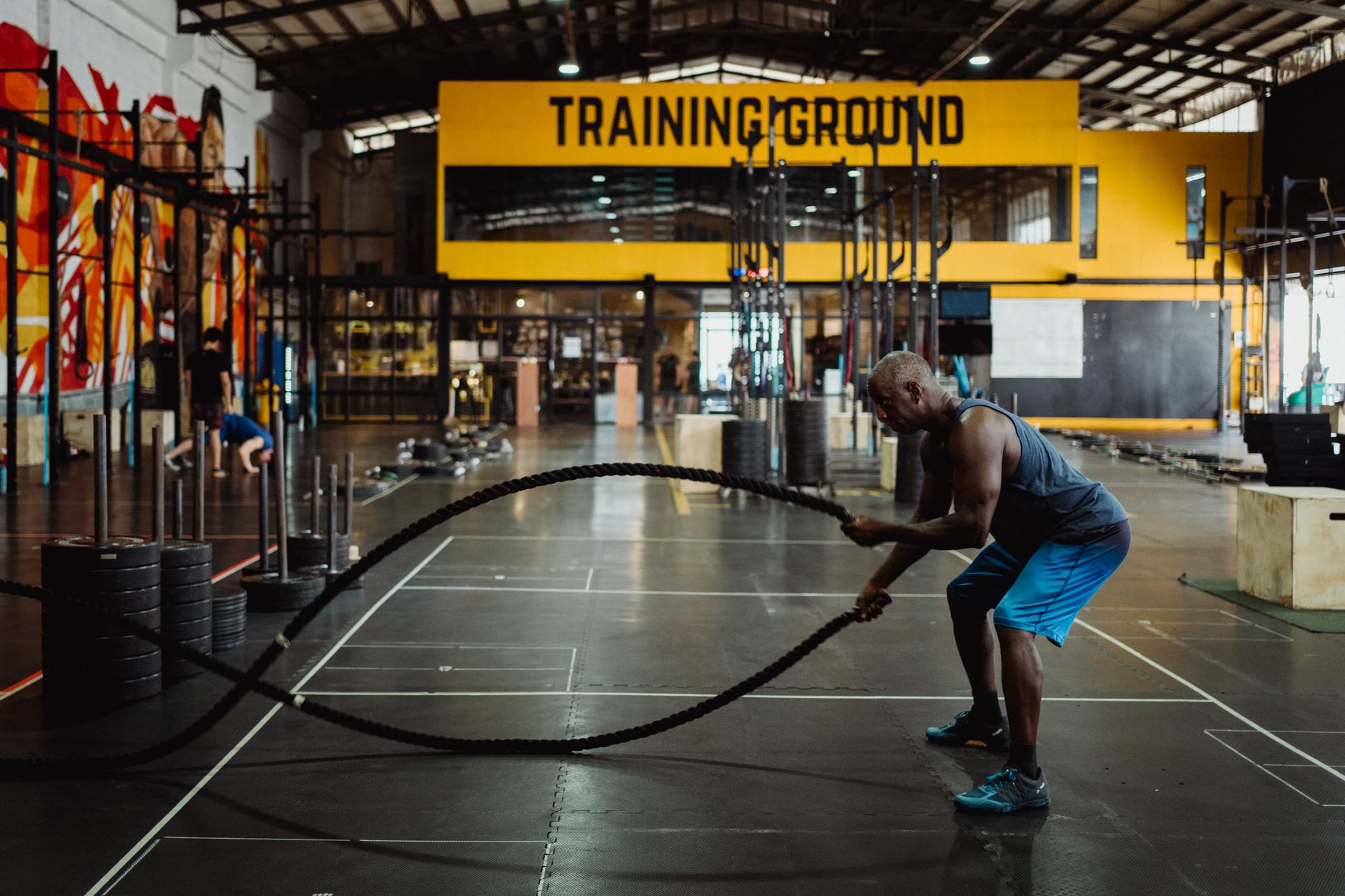
The critical balance in intensity training is progression without overtraining. You shouldn’t go from zero intense efforts to three weekly interval sessions overnight. A practical approach is to add one structured intensity session per week, starting with shorter intervals or lower intensity, then gradually increasing duration or intensity. For example, week one might be six 3-minute intervals at hard effort with 2 minutes easy recovery; week four might be six 5-minute intervals at the same effort level. This progression allows your body to adapt without overwhelming your recovery capacity.
The tradeoff is that intensity requires recovery. If you do too much intense cardio without adequate easy running days, you risk overtraining, burnout, and injury. Many runners make the mistake of assuming more intensity is always better. In reality, a program that includes only two well-executed intense sessions per week, combined with easier aerobic running and rest days, produces better results and sustainability than someone doing four intense sessions weekly and constantly feeling exhausted. Quality of intensity matters more than quantity.
Common Mistakes When Pursuing Cardio Intensity
One common pitfall is starting too hard. New runners or those returning from time off often underestimate what “high intensity” should feel like and either overdo it right away, leading to injury, or pick an intensity so low they don’t trigger real adaptations. True high-intensity cardio should feel challenging—you shouldn’t be able to hold a full conversation, but you should be able to speak short phrases. If you’re able to sing, you’re not working hard enough.
If you can’t speak at all, you may be working at an unsustainable intensity. Another warning: intensity training stresses multiple systems beyond the cardiovascular system. Your nervous system, immune system, and connective tissues all experience increased demand during high-intensity work. This is why adequate sleep, nutrition, and recovery matter more when you’re doing intense training than when you’re just doing easy miles. A runner prioritizing intensity without prioritizing sleep will see limited improvements and increased illness or injury risk.

Cardio Intensity and Long-Term Heart Health
Research on long-term cardiovascular health shows that people who maintain consistent cardio intensity as part of their fitness routine have significantly lower rates of heart disease, stroke, and other cardiovascular conditions in later life. Beyond fitness markers, the actual risk of cardiac events decreases substantially.
A person who ran regularly with included intensity work throughout their 40s and 50s has a measurably different risk profile at age 70 than someone who was sedentary or did only light activity. The heart built through years of intensity training is more resilient and robust. One concrete example comes from long-distance running communities, where masters runners (age 50 and older) maintain remarkably low resting heart rates and strong cardiovascular function decades into their lives, partly because they’ve maintained or adapted intense training practices throughout their lives.
The Future of Intensity-Based Training for Cardiac Health
As sports science evolves, the evidence for high-intensity interval training (HIIT) continues to mount. Newer research shows that even brief bouts of very high-intensity effort—all-out sprints for 30 seconds with recovery between—can deliver substantial cardiovascular benefits, potentially making intense training more accessible to people with time constraints.
This shift suggests that future fitness recommendations may place even more emphasis on the quality and intensity of effort rather than total training volume. The fundamental principle remains unchanged: if you want a strong heart, you need to challenge it. Whether through traditional interval sessions, tempo runs, or newer HIIT protocols, cardio intensity remains one of the most evidence-backed ways to build and maintain cardiovascular health across your lifespan.
Conclusion
Cardio intensity is essential because it’s the stimulus your heart responds to with meaningful adaptation. Without intensity, your cardiovascular system plateaus, and you miss the opportunity to build real resilience and strength. The good news is that intensity training isn’t complicated—it requires consistency, smart progression, and respect for recovery, but the payoff in both fitness performance and long-term health is substantial.
If you want a strong heart, prioritize quality intense efforts in your cardio training. Add one structured intensity session per week, progress gradually, and balance it with adequate recovery. Your resting heart rate, exercise performance, and long-term cardiovascular health will reflect the effort you invest.
Frequently Asked Questions
What’s the difference between moderate-intensity and high-intensity cardio for the heart?
Moderate-intensity exercise (conversational pace) improves cardiovascular fitness but doesn’t challenge the heart to adapt as forcefully as high-intensity work (hard to very hard effort). High-intensity exercise triggers greater physiological adaptations, including larger increases in stroke volume, mitochondrial density, and heart strength. Both have a role in training, but high-intensity is necessary for maximizing cardiac adaptations.
How often should I do high-intensity cardio to strengthen my heart?
For most runners, one to three high-intensity sessions per week is sufficient to trigger adaptations without overtraining. Beginners should start with one session per week, while more experienced athletes might do two to three. More frequent high-intensity work often leads to overtraining and diminishing returns due to inadequate recovery.
Can I damage my heart by doing too much intense cardio?
In healthy individuals, intense cardio strengthens the heart. However, pushing into very high intensities too frequently without adequate recovery can lead to overtraining syndrome, which impairs cardiovascular adaptation and increases injury risk. Additionally, people with underlying cardiac conditions should consult their doctor before starting an intense training program. The risk isn’t from the intensity itself but from poor progression and inadequate recovery.
Does my age affect how much cardio intensity I need?
Age doesn’t change the fundamental principle that intensity drives adaptation, but it may affect how you progress and recover. Older athletes often need longer recovery between intense efforts and should progress more gradually. However, older adults who train with appropriate intensity maintain strong, healthy hearts well into their later years.
What are the signs that my heart is getting stronger from cardio intensity?
Lower resting heart rate is the clearest sign. Faster heart rate recovery after exercise, improved ability to sustain high efforts, and better overall aerobic fitness all indicate your heart is adapting. You might also notice that efforts that felt very hard six weeks ago now feel moderately hard at the same pace.
How quickly will I see cardiovascular improvements from adding intensity to my training?
Most people notice measurable changes—primarily in resting heart rate and recovery heart rate—within 4 to 8 weeks of consistent high-intensity training. More dramatic adaptations in fitness and strength take 12 weeks or longer. The timeframe depends on your baseline fitness; less trained individuals often see faster initial improvements.