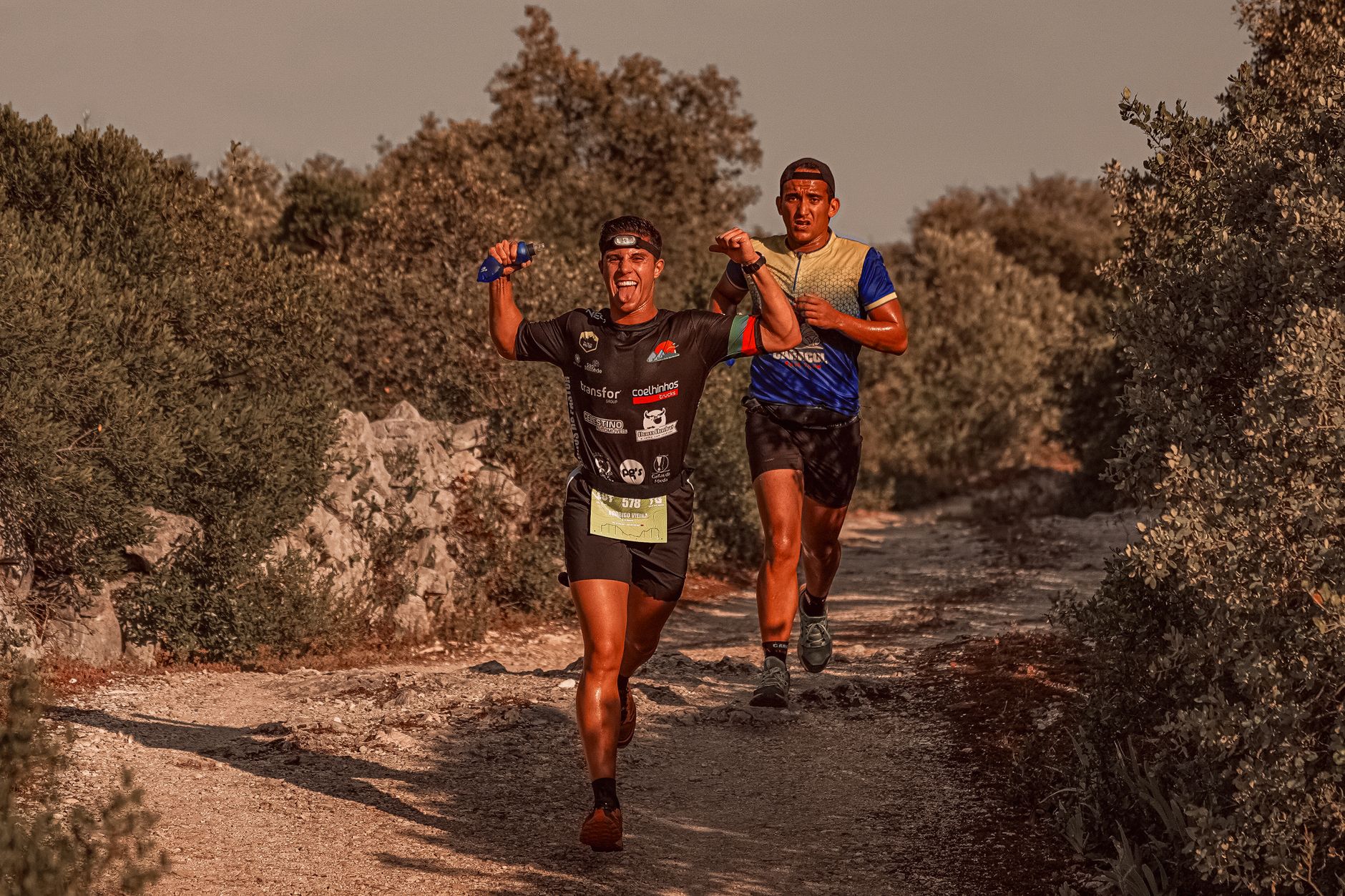
Trail running, running on dirt, gravel or forest paths instead of pavement, supports longevity about as well as road running. Neither surface has a proven mortality advantage, but trails may help runners stay active longer.
Any running links to lower death risk. BBC Science Focus reports pooled data from 14 studies of 233,149 people linking any running to 27% lower all-cause death in its running and early death analysis. Even small weekly amounts linked to benefit, which makes consistency the deciding factor.
Medical information disclaimer: This article is for general educational purposes only and does not provide medical advice, diagnosis, or treatment. Always consult a physician or other qualified health professional about symptoms, medications, tests, or treatment decisions.
Table of Contents
- What running does for lifespan
- Do softer trails spare your joints?
- What uneven ground trains
- Where trails may help you keep going
- How to mix trail and road miles
What running does for lifespan
Running benefits appear early and do not demand high mileage. BBC Science Focus, summarizing a British Journal of Sports Medicine paper, reports benefit from running once weekly, under 50 minutes total and slower than 8 km/h. Higher weekly dose showed no further all-cause mortality reduction.
That pattern favors routines people can repeat for years. Halftime Health, citing Mandsager and colleagues, notes the lowest-fitness treadmill group had about five times the mortality of the highest-fitness group. Cardiorespiratory fitness matters more than pace or distance.
Do softer trails spare your joints?
Many runners expect dirt or gravel to cut impact. A German Federal Institute of Sport Science database record for a 2021 study of 15 recreational runners found no significant differences in tibial acceleration or shock attenuation among dirt, gravel and paved surfaces in its trail surface impact record. Head impact damping also stayed similar across surfaces.
Surface choice alone does not make running low-impact. Runners should still rotate shoes, build mileage slowly and treat pain early. Trails add roots, rocks and camber, so ankle sprains and falls remain the main joint risk.
What uneven ground trains
Uneven trails demand more ankle work than even roads. Biology Insights, summarizing lab comparisons, reports about 22% greater tibialis anterior activation and 10% greater peroneus longus activation on uneven ground. Those muscles stabilize the ankle.
Stronger stabilizers help balance and fall resilience, especially for older runners. Better balance supports continued activity, travel and independence. Road runners can gain part of this effect with drills. Try short grass segments, single-leg balance work and controlled hill strides twice weekly.
Where trails may help you keep going
People run farther in nature at the same effort. Loughborough University reports participants ran significantly farther and faster in forest than urban settings at the same perceived effort, with higher enjoyment and repeat intention, in its nature exercise study. Enjoyment predicts adherence across 12 months.
More repeated sessions preserve aerobic fitness without forcing higher speed. Air quality is another trail advantage. Weill Cornell physicians warn urban runners face ozone, fine particles and carbon monoxide linked to heart and lung harm in their city exercising guidance. They advise off-road, park or indoor routes when air is poor.
How to mix trail and road miles
Use roads for steady pace and trails for time on feet. Keep most runs easy enough to talk in full sentences. Match surface to the goal of the day.
- Keep one weekly road run for rhythm and leg turnover.
- Add one weekly trail run of 30-50 minutes for balance and mood.
- Check air quality before a city run and move to park or indoor when poor.
- Walk technical descents until foot placement feels automatic.
1 thought on “How Does Trail Running Affect Longevity Compared to Road Running?”
Comments are closed.