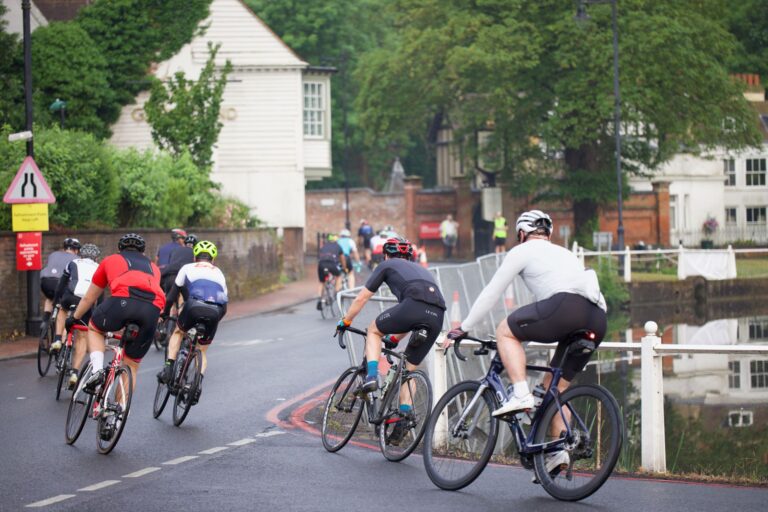
A bike commute can accumulate significant intensity minutes simply through the natural rhythm of navigating urban streets, climbing hills, and maintaining steady effort over several miles. Unlike a dedicated workout, this happens quietly—you’re solving the transportation problem while your body is already working in zones that count toward weekly intensity targets. If you commute five miles each way over rolling terrain with regular traffic-light sprints, you’re likely logging 15 to 25 intensity minutes per ride, depending on your fitness level and route. The key is that commute cycling doesn’t feel like exercise to your mind, which makes consistency easier. You’re going to work anyway; the bike just means you arrive with your heart rate elevated and your aerobic system engaged.
A 30-minute commute at a moderate-to-brisk pace—averaging 12-16 mph on a typical urban route—lands most riders comfortably in Zone 2 or Zone 3 for much of the journey. That sustained effort, multiplied across a work week, adds up to 75 to 125 weekly intensity minutes without ever stepping foot in a gym or running track. The catch is that intensity minutes depend on route, fitness level, and effort consistency. A flat, leisurely 10 mph cruise won’t generate much aerobic stimulus. A hilly commute with aggressive hills or traffic-driven pace changes will generate far more. Understanding which version you have, and how to adjust it, determines whether your commute becomes a genuine fitness tool or just pleasant transportation.
Table of Contents
- How Route Terrain Shapes Your Commute Intensity
- Understanding Heart Rate Zones During Daily Commute Riding
- How Traffic and Urban Navigation Drive Aerobic Demand
- Optimizing Your Route and Pace for Maximum Tracked Intensity
- When Commute Intensity Falls Short—Limitations and Reality Checks
- Tracking and Measuring Your Commute Intensity
- Building Long-Term Fitness Through Commute Consistency
- Conclusion
- Frequently Asked Questions
How Route Terrain Shapes Your Commute Intensity
The single biggest factor in how many intensity minutes you accumulate is terrain. A commute with one or two sustained climbs or consistent rolling hills will push your heart rate into aerobic zones naturally; a dead-flat commute won’t. A rider commuting five miles over rolling hills in a small city might hit 20-25 intensity minutes per direction. That same rider on a flat riverfront path might log only 5-10, even at the same distance and speed, because the body isn’t working as hard against gravity. Urban commuting adds intensity in other ways too. Traffic lights, pedestrians, and the need to navigate around parked cars force rhythm changes that act like micro-intervals.
A 15-minute commute with frequent stops and acceleration to keep pace with traffic can be more intense than a 20-minute commute on a mostly-clear bike path. Your heart rate spikes when you accelerate, settles slightly at steady speed, and spikes again at the next intersection. That variable effort, even if it never feels punishing, stacks up intensity minutes. The limitation here is that not all commutes are equal, and not all riders live in places where terrain is an option. If your commute is flat and uninterrupted, you’ll need to choose a faster pace or longer distance to hit meaningful intensity targets. Some riders in genuinely flat cities find they need to take slightly longer routes—adding hills or distance—to make commuting count toward their fitness goals.

Understanding Heart Rate Zones During Daily Commute Riding
Intensity minutes, as tracked by most fitness devices, typically count sustained effort in Zone 2 (about 60-70% of max heart rate) and above, with some trackers counting Zone 3 and higher (70-85% of max). During a bike commute, most riders naturally sit in low Zone 2 for sustained sections and drift into Zone 3 during hills or accelerations. The beauty is that you don’t have to think about it—the effort just happens. For a concrete example, consider a rider with a max heart rate of 190 bpm. Zone 2 is roughly 114-133 bpm. A moderate-pace commute (12-14 mph) will keep them in that zone for most of the ride.
When they hit a hill, they drift into Zone 3 (134-161 bpm) for a few minutes. When they sprint to catch a green light, they might briefly touch Zone 4. These oscillations throughout the 30-minute commute add up to nearly the entire ride counting as intensity, because most of it lives in aerobic zones. The warning is that if you’re very fit or riding at a very easy pace, you might stay in Zone 1 (below 60% max HR) for most of your commute, which doesn’t count. Fitness trackers won’t log intensity minutes if your effort level is too low. Conversely, if you’re newer to fitness, a faster commute pace might feel hard and keep you in Zone 3 or 4 for the whole ride, which is fine but unsustainable—you’d burn out quickly trying to maintain that intensity every day. The sweet spot is a pace that feels “moderate to brisk” but sustainable five days a week.
How Traffic and Urban Navigation Drive Aerobic Demand
One of the hidden benefits of city commuting is that traffic and the need to stay aware force your effort to stay elevated. You’re constantly accelerating away from stops, climbing slight grades, and maintaining a pace fast enough to feel safe in traffic. This is different from recreational cycling on a quiet path, where you can coast, freewheel, and relax whenever you want. A commute demands continuity. A rider in a city with dense traffic lights might accumulate intensity minutes faster than a rider on the same distance in a quieter suburb, purely because of the stop-and-go pattern. Each acceleration back to speed requires effort.
Each approach to an intersection adds slight effort as you maintain pace. A 20-minute commute through a busy downtown can easily log 18-22 intensity minutes, while the same distance on a quiet greenway might log only 8-12. However, there’s a tradeoff. Higher intensity from traffic and urban friction also means higher injury risk, more mental fatigue from navigation, and inconsistent effort patterns that can’t match what you’d do in a structured workout. Some commuters find they get more sustainable, trackable intensity by deliberately choosing a slightly longer quieter route and riding it at a consistent brisk pace, rather than relying on traffic chaos to drive their aerobic effort. Both work, but they demand different mental and physical energy.

Optimizing Your Route and Pace for Maximum Tracked Intensity
If you want your commute to reliably generate intensity minutes, the most practical step is to choose a route with at least one notable climb or sustained rolling terrain, and maintain a pace that feels “slightly faster than easy.” This might mean 13-15 mph average on flat terrain with some acceleration, or 11-13 mph on hilly terrain where you’re climbing part of the way. The goal isn’t to race; it’s to stay in the aerobic zone without gasping for breath. Some commuters deliberately add distance to hit intensity targets. Instead of the fastest 15-minute route to work, they take a 25-minute route with more hills or a longer path. This shifts their daily commute from 15 to 25 minutes, but the extra 10 minutes nets them 5-10 additional intensity minutes per day—which compounds to 25-50 extra intensity minutes per week with no additional time cost, because they were commuting anyway.
For comparison, a runner would need to add an extra 2-3 miles to a run to gain that same weekly volume. The bike does it with less physical stress. The tradeoff is time and route familiarity. A longer route means leaving home a few minutes earlier, and you might not always want to take a detour, especially on rainy days or when you’re running late. Some commuters keep a “default” route for consistency and occasionally switch to a “hills” or “long” variant on days when they specifically want to boost intensity minutes.
When Commute Intensity Falls Short—Limitations and Reality Checks
Not every commute counts equally toward your fitness. If your commute is short (under 15 minutes), very flat, or taken at an easy pace, you might log only 3-8 intensity minutes per day. A 10-minute flat commute at 10 mph is essentially a warm-up and a cool-down; it’s great for general movement and recovery, but it won’t build or maintain aerobic fitness. This is worth knowing so you don’t assume your commute is handling all your conditioning needs. Weather and consistency are practical limits too. Rain, snow, or ice can make cycling unsafe, tempting you to drive or take transit instead. A commuter who bikes four days a week instead of five loses 20-25% of their weekly intensity accumulation.
Some weeks, you’ll simply be tired or time-pressed and won’t ride hard. These interruptions are normal and human, but they mean your commute alone might not be reliable for hitting aggressive weekly intensity targets. Most commuters who treat their bike as a serious fitness tool also have a backup workout or run scheduled during weeks when commuting is disrupted. A warning: don’t assume intensity minutes from a bike commute stack equally with running intensity. Cycling stresses your legs differently than running, and the cardiovascular adaptation is somewhat different too. If your primary goal is running fitness, commuting by bike helps but doesn’t replace structured running workouts. Similarly, if you have injuries or joint issues, cycling is gentler than running, but it won’t build the specific muscular strength running demands.

Tracking and Measuring Your Commute Intensity
Most fitness watches and smartwatches that track intensity minutes rely on heart rate zones. If you have a device with GPS and heart rate monitoring, it will automatically count your commute and log intensity minutes. Some devices even separate commutes from recreational rides, which helps you see whether your commuting pattern is actually generating the aerobic work you expect. Checking your device after a few weeks gives you real data: if your five-day commutes are logging 60-75 intensity minutes per week, you’re in a good zone. If you’re logging 20-30, your route or pace needs adjustment.
For commuters without a device, you can estimate effort by how you feel. If the commute leaves you slightly winded but able to talk, you’re likely in Zone 2. If you’re breathing harder and can only speak in short sentences, you’re in Zone 3. Aim to be in one of those states for most of your commute, and you’ll be generating intensity minutes. A simple rule of thumb: if the commute feels “moderately hard” by the time you arrive, it’s probably logging intensity. If it feels easy, it probably isn’t.
Building Long-Term Fitness Through Commute Consistency
The biggest advantage of commute cycling for intensity minutes is that it’s sustainable for years without requiring extra willpower or scheduling. You have to get to work anyway. A rider who commutes by bike 200 days per year and logs an average of 15 intensity minutes per commute accumulates 3,000 intensity minutes annually from commuting alone—roughly 60 intensity minutes per week. That’s equivalent to one or two solid running workouts per week, without the time cost, because commuting is already in your schedule.
Over five years, that consistency builds enduring aerobic fitness that often surprises the rider. You’re not training to race or hit specific performance targets—you’re just moving your body regularly and letting the minutes stack up. Many longtime bike commuters report that they’ve maintained higher general fitness levels with less structured training than they would have as drivers, because the commute kept their aerobic engine warm year-round. The commute doesn’t replace intentional training, but it provides a reliable, low-friction foundation that other fitness builds on top of.
Conclusion
A bike commute adds intensity minutes quietly and reliably if your route and pace align with aerobic effort zones. Hilly terrain, urban navigation, and a moderate-to-brisk pace naturally push most commuters into Zone 2 or Zone 3, accumulating 15-25 intensity minutes per 30-minute ride. Over a work week, that compounds to 75-125 minutes of tracked intensity with zero additional time cost, because you’re solving transportation and fitness simultaneously.
The practical path forward is to assess your current commute: does the terrain and pace feel “slightly harder than easy,” and does your fitness tracker log intensity minutes? If not, consider a small adjustment—choosing a hillier route, riding slightly faster, or extending distance slightly. Track what you accumulate over a few weeks, and adjust from there. Most commuters find that a well-chosen route becomes a reliable, sustainable source of aerobic fitness that stacks on top of their other training and supports long-term health without requiring extra willpower.
Frequently Asked Questions
Do intensity minutes from cycling count the same as running?
Fitness trackers count them the same way (by heart rate zone), but the training effect differs. Cycling builds leg endurance and aerobic capacity without the joint stress of running. If your goal is running fitness, cycling helps but doesn’t fully replace running workouts.
What if my commute is too flat to generate intensity?
Add distance, choose a longer route with hills, or ride at a slightly faster pace. Alternatively, keep the commute as an easy warm-up or active recovery ride, and use other workouts to build intensity.
How do I know if I’m in the right heart rate zone?
If the commute feels moderately hard and you’re breathing deeper but can still talk, you’re likely in Zone 2-3. Most fitness devices will confirm this automatically.
Can I count my commute as my only weekly fitness?
A solid commute contributes meaningfully (60-75 intensity minutes per week if done daily), but most fitness recommendations call for 150 minutes of moderate intensity weekly. Commuting covers part of that goal, and other activities should cover the rest.
What happens to my intensity minutes if I can’t bike in winter?
You’ll lose the accumulation during those weeks. Plan backup activities for weather-restricted seasons, or accept that your intensity targets will fluctuate seasonally.
Does commuting get easier over time and count less toward intensity?
Yes—as fitness improves, the same commute may require less aerobic effort. Adjust by riding faster, choosing a hillier route, or maintaining consistent effort perception rather than speed.