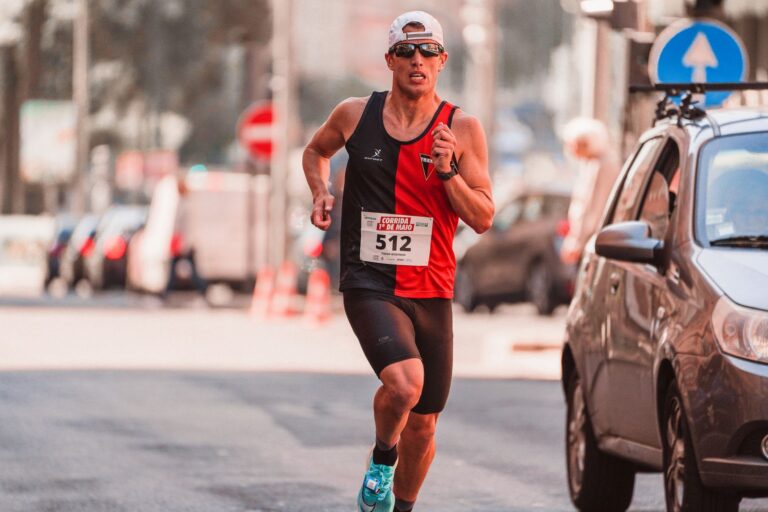
For runs under 45 minutes, a handheld water bottle is the most practical hydration solution—it keeps your hands free just enough while giving you immediate access to fluids without the bulk of a backpack or hydration vest. Unlike larger systems designed for longer endurance efforts, handheld bottles are lightweight, unobtrusive, and give you the flexibility to carry only what you actually need for a brief outing. Most runners find that a 16 to 20-ounce bottle strikes the right balance between carrying enough water to stay hydrated and not feeling like you’re lugging around a water jug.
A specific example: a 5-mile morning run in moderate temperatures typically requires no more than a single handheld bottle. You can leave your home without a backpack, run at your natural pace, and still have enough water to manage your hydration on the way back. This simplicity is why handheld bottles remain the default choice for recreational runners doing short neighborhood loops or park circuits.
Table of Contents
- What Size Handheld Bottle Works Best for Short Runs?
- Hand Fatigue and Grip Considerations
- Hydration Strategy for Different Weather and Intensity
- Choosing Between Handheld and Other Carrying Systems
- Common Problems with Handheld Bottles and How to Avoid Them
- Insulation and Temperature Control
- The Future of Handheld Hydration and Emerging Designs
- Conclusion
- Frequently Asked Questions
What Size Handheld Bottle Works Best for Short Runs?
The standard handheld bottle for short outings ranges from 16 to 24 ounces, with most runners gravitating toward the 18 to 20-ounce range. This size is small enough to not interfere with your running form or breathing, yet large enough to provide meaningful hydration without forcing a refill. A 16-ounce bottle covers most runs up to 30 minutes in cool weather; if you’re out for 45 minutes or you’re running in heat, bump up to 20 ounces. Going larger than 24 ounces makes the bottle noticeably heavier and shifts your balance, especially if you’re holding it in just one hand.
Different bottle designs offer different carrying options. Some runners use bottles with a finger loop that lets you sling it over your palm, while others prefer bottles with a strap that wraps around your wrist. The finger-loop design is generally faster to access during a run because you’re not fumbling with a wrist strap, but it can dig into your hand on longer outings. A wrist strap is more comfortable for sustained carrying but slightly slower to reach for a quick drink.
Hand Fatigue and Grip Considerations
One limitation of handheld bottles that runners often underestimate is hand fatigue. Even though 20 ounces is not heavy, holding the same weight in one hand for 30 to 45 minutes can tire your grip and create imbalance in your stride. Your body naturally compensates by tensing one shoulder and hip, which over time can lead to asymmetrical muscle fatigue or even minor injuries. To mitigate this, many experienced runners switch the bottle between hands every 10 to 15 minutes, or they run with two smaller bottles instead of one large one.
The material of the bottle also matters for grip comfort. Rubber or silicone-coated bottles are less likely to slip, especially if your hands get sweaty, whereas plastic bottles with glossy finishes can become slippery when wet. A warning: never choose a bottle based solely on aesthetics if it means compromising on grip. A dropped bottle mid-run is inconvenient, and a slippery grip that forces you to clench harder will exhaust your hand faster.
Hydration Strategy for Different Weather and Intensity
On cooler days (below 55 degrees), a single 16-ounce bottle is usually sufficient for a 30-minute run, and even a short 5-mile outing might not require any fluid at all. However, on warm days (above 70 degrees), the same run demands a full 20 ounces or more. The reason is that your sweat rate increases significantly with temperature, and even a short outing in heat can dehydrate you faster than you realize.
A specific example: a runner who comfortably completes a 4-mile run with no bottle on a 50-degree morning may feel parched halfway through that same route on an 80-degree afternoon without water. The intensity of your run also affects hydration needs. A casual 3-mile jog doesn’t require as much fluid as a tempo run or speed workout covering the same distance, because your body is generating more metabolic heat during harder efforts. This is why many runners carry a bottle for easy runs but not for short, easy recovery runs.

Choosing Between Handheld and Other Carrying Systems
For runs under 45 minutes, a handheld bottle typically beats other carrying solutions. A hydration backpack or vest, while excellent for longer runs, introduces unnecessary weight and heat (your back doesn’t cool as well when covered) for a short outing. A small hydration waist pack is another option, but most runners find it awkward for runs shorter than an hour, and it sits right at your waist where it can bounce or create chafing.
The tradeoff: a handheld bottle gives up the distributed load of a pack, but you gain simplicity and the ability to drop your hand to your side anytime you need a break from carrying weight. Some runners try belts with bottle holders designed to click bottles in and out, but these systems tend to vibrate and shift during a run, and the bottles themselves can come loose. A handheld bottle sits entirely in your control, and you can set it down whenever you want—at a water fountain, on a bench, or at a rest point.
Common Problems with Handheld Bottles and How to Avoid Them
One frequent complaint is that water sloshes inside the bottle as you run, creating an uneven weight distribution that feels lopsided. This is especially noticeable if your bottle is only half full. The solution is to fill your bottle completely before leaving home, so the water settles as a cohesive mass rather than sloshing around.
A warning: resist the temptation to leave your bottle only partially filled “for less weight,” because the movement of the liquid will actually make your arm work harder to stabilize it. Another issue is that handheld bottles can leak if the cap isn’t sealed properly or if the bottle has a defect. Always check the seal before you run, and consider carrying a small cloth or paper towel if you’re nervous about leaks damaging your phone or keys. Some runner prefer bottles with flip-top caps that are less likely to leak during the run and faster to access mid-stride.
Insulation and Temperature Control
If you’re running in hot weather, an insulated handheld bottle can keep your water cool for the duration of a short run, which makes the water more palatable and may encourage you to drink more. Double-walled insulated bottles are slightly heavier and bulkier than basic plastic, so the trade-off is some additional weight and girth. For a 30-minute run on a 75-degree day, the benefit of cold water usually justifies the extra few ounces.
An example: many runners report that switching to an insulated bottle in summer increased their fluid intake because they drank more when the water was actually cold rather than lukewarm. In winter, the opposite problem occurs—water in an uninsulated bottle can become very cold and unpleasant to drink. Some runners use insulated bottles in winter too, just to keep water slightly warmer.
The Future of Handheld Hydration and Emerging Designs
Handheld bottles remain the simplest solution for short runs, but new designs are always emerging—bottles with ergonomic curves that fit the palm better, collapsible bottles that fold down when empty to save space, and bottles with integrated electrolyte powder compartments. These innovations address real pain points, but for a basic short outing, a simple, reliable bottle often works better than a complicated one. Runners appreciate predictability over gadgetry, and the most durable choice is usually the one you’ll actually use consistently.
Conclusion
For short outings up to 45 minutes, a handheld bottle between 16 and 20 ounces is the most practical hydration tool. The key is choosing a size that doesn’t create hand fatigue, managing the bottle’s weight by switching hands regularly, and filling it completely before your run so the water doesn’t slosh. Weather and effort intensity dictate whether you need a bottle at all, but when you do, a handheld design keeps you light, flexible, and focused on the run itself.
Your bottle choice is a small decision, but it affects your comfort and performance on every outing. Pick one with a secure grip, test it on a short trial run to make sure the cap doesn’t leak, and pay attention to whether you’re actually drinking enough. Once you find a bottle that feels natural in your hand, you’ll stop thinking about it and start focusing on your pace.
Frequently Asked Questions
Do I need a bottle for a 20-minute run?
Not typically, unless it’s very warm outside or you’re running at a high intensity. Most runners can manage a 20-minute outing without water, especially in cool weather. However, if you feel thirsty, carry a small bottle rather than pushing through without fluid.
Should I drink from my bottle during the run or wait until after?
Take small sips as needed during the run, especially on longer outings or warm days. Waiting until the end means you’re running in a dehydrated state, which reduces performance and increases heat stress. Drink before you feel parched.
Is it better to use a bottle with a straw or a standard cap?
Both work fine. A straw reduces spillage and makes it easier to drink mid-stride, but a standard flip-top cap is simpler to clean and less likely to leak. Choose based on your preference and running style.
Can I use any water bottle, or does it need to be a running-specific one?
A running-specific bottle usually has better grip design and a secure cap, but you can absolutely use a regular water bottle if it fits comfortably in your hand and doesn’t leak. The key is that it feels natural when you’re moving.
What should I do if my hand gets sore from holding the bottle?
Switch the bottle between hands every 10 to 15 minutes, or consider carrying two lighter bottles instead of one heavy one. If soreness persists, your bottle might be too heavy or your grip too tight—focus on holding it loosely and not clenching your fingers.
Is an insulated bottle worth it for short runs?
For runs under 30 minutes, a regular bottle is fine. For 30 to 45 minutes in hot weather, an insulated bottle keeps water cool enough to be more refreshing, which can boost your fluid intake. The extra weight is minimal, so it’s a personal preference.