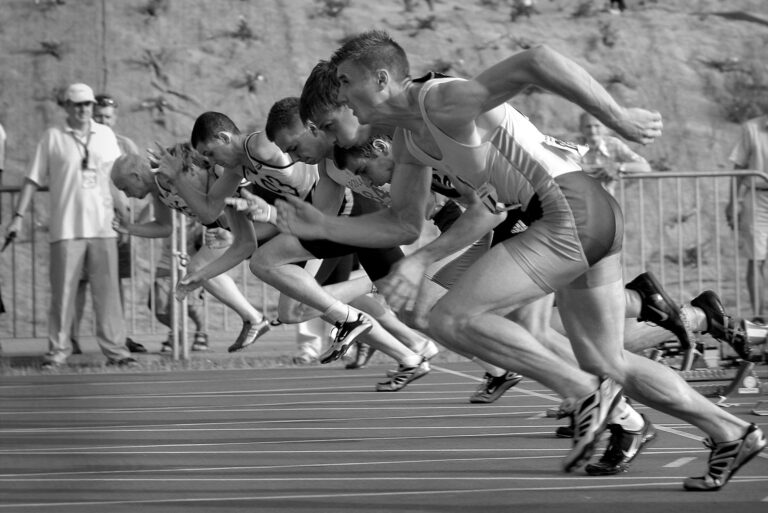
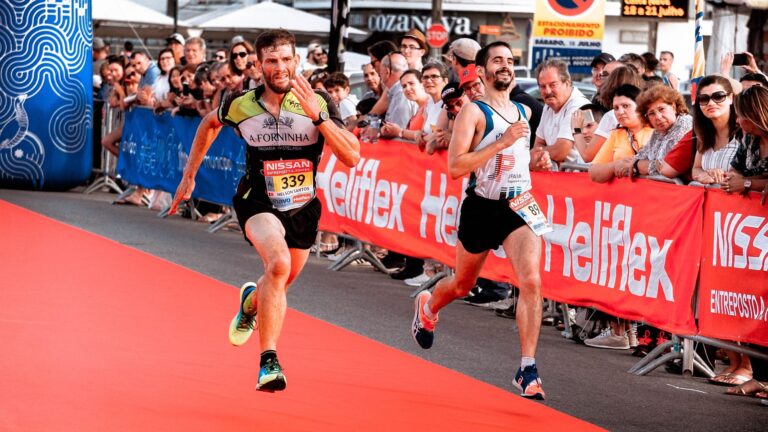
The Hardrock 100 is a 101.8-mile ultramarathon in Silverton, Colorado that combines extreme distance with altitude and technical mountain terrain—making it one of trail running's most visually dramatic events. The 2026 edition, held July 10, 2026, was professionally documented by photographers including Jacob Zocherman, creating a visual record of how 147 selected runners navigated thirteen mountain passes, scree fields, and high-altitude terrain over nearly two days.
Photography of the Hardrock 100 matters to runners and spectators because images capture what the race demands in ways numbers cannot. A finish time of 39 or 40 hours is difficult to visualize; photographs of runners on boulder fields at 14,000 feet, or crossing snow patches in July, make the terrain's severity concrete. For readers considering ultrarunning or understanding trail running's hardest events, the 2026 photography provides direct evidence of what completion requires.
Medical information disclaimer: This article is for general educational purposes only and does not provide medical advice, diagnosis, or treatment. Always consult a physician or other qualified health professional about symptoms, medications, tests, or treatment decisions.
Table of Contents
- The Course That Makes Photography Compelling
- Professional and Crowd-Sourced Documentation
- Where to Find and Use 2026 Photos
- What Performance Records Show About Difficulty
- Historical Consistency and Race Selection
- Frequently Asked Questions
The Course That Makes Photography Compelling
The Hardrock 100 course crosses thirteen passes in the 12,000'–13,000' range through the San Juan Mountains, including scree climbs, boulder fields, river crossings, and snow. At over 11,000 feet average elevation with a high point of 14,048 feet (Handies Peak), runners spend the entire race in thin air. The total vertical gain and loss of 33,441 feet each means runners climb the equivalent of Everest and descend it—twice.
This terrain is what makes photography essential documentation. Photographs show runner placement on scree—loose rocks that shift underfoot—and reveal how technical the descents are. Images capture snow patches runners encounter in July, river crossings that require careful foot placement, and the exhaustion visible after 30+ hours of moving uphill. A photograph of a runner on a boulder field at night shows something a race report cannot: the actual scale and isolation of the course.
Professional and Crowd-Sourced Documentation
Professional photographer Jacob Zocherman provided visual documentation of the 2026 race, capturing moments from the start and throughout key sections of the course. Photography wasn't limited to one perspective; the Hardrock 100 maintains a dedicated Photos and Run Reports page featuring crowd-sourced and sponsor photography that includes images from supporters, volunteers, and other photographers stationed along the route. This mixed approach—professional plus community documentation—creates a layered visual record.
Professional images show technical precision and composition; community photos capture spontaneous moments and local perspectives. Together, they document what 2026 runners experienced across all sectors of the 101.8-mile loop.
Where to Find and Use 2026 Photos
Two primary resources hold 2026 Hardrock 100 photography. The official Hardrock 100 website's Photos and Run Reports section aggregates official images, sponsor content, and crowd-sourced photography organized by year.
Trail Runner Magazine also published professionally selected images from the 2026 race. Runners researching the course before attempting the race lottery (or preparing for a future year) benefit most from systematic photo review: study the terrain at different elevations, note the ground surface near key aid stations, and observe how runner placement changes on descent versus climb. For readers who will never run the race, the photos document what world-class ultrarunners confront at altitude and technical complexity.
What Performance Records Show About Difficulty
Ludovic Pommeret set the 2026 men's course record at 21 hours 11 minutes, yet the average finish time for finishers is approximately 39 hours 52 minutes, with 48 hours as the cutoff. The gap between winning time and average time illustrates the race's difficulty—even elite runners take twice as long at Hardrock as they might at a lower-elevation 100-miler. Photography captures this variation: images of the course leader moving efficiently at sunrise look visually different from photographs of midfield runners after 30+ hours of exposure.
Historical Consistency and Race Selection
The Hardrock 100 has run annually since 1992, with only five cancellations due to snow (1995), fires (2002), avalanche damage (2019), and pandemic (2020). This consistency means historical photography exists for comparison, though 2026 represents recent documentation of current conditions and runner standards. The race selected only 147 runners through lottery for 2026, underscoring how selective entry shapes the field—and the photography available of those specific finishers and early-exit runners is a snapshot of one particular cohort.
Frequently Asked Questions
Can I use 2026 Hardrock 100 photos for training or race preparation?
Yes. Study published photos to familiarize yourself with terrain, boulder fields, snow patches, and aid station approaches. Crowd-sourced images often show actual runner line choices and foot placement on technical sections. Photo review is practical preparation for understanding what you will encounter.
Where is the official photo archive for 2026?
The Hardrock 100's dedicated Photos and Run Reports page (hardrock100.com/hardrock-photos-reports.php) hosts the complete archive, including professional and sponsor imagery plus runner-submitted photos and race reports.
What do the photos reveal about the 48-hour time limit?
Photographs show why the cutoff is tight: images of runners at night (indicating 30+ hours in) reveal fatigue, slower movement on technical terrain, and the cumulative toll of extreme elevation. The visual difference between hour-10 and hour-35 photos clarifies why even 40 hours is an achievement.