Downhill skiing is one of the most effective ways to accumulate intensity minutes during winter, often matching or exceeding the cardiovascular demands of running at a moderate to hard pace. A single day on the slopes—particularly on challenging terrain—can easily generate 30 to 60 minutes of high-intensity intervals, depending on your skill level, the mountain’s steepness, and your own fitness. For runners looking to maintain cardiovascular fitness during winter months, skiing offers a legitimate alternative that actually challenges your aerobic system in ways many runners don’t expect.
The intensity comes from a combination of factors: rapid descents demand sustained effort from your legs and core, frequent stops and starts create interval-like training effects, and the environmental factors like altitude and cold increase overall cardiovascular demand. A skier making consistent runs on a steep terrain might spend 3 to 5 minutes at high intensity per run, then rest during the lift ride back up. Over a full day with 8 to 10 runs, that adds up significantly. Unlike running, where you control the pace, skiing forces your body to work harder because gravity and terrain dictate the workload.
Table of Contents
- What Makes Downhill Skiing a High-Intensity Activity?
- How Your Body Burns Energy on the Slopes
- Comparing Skiing Intensity Minutes to Running
- Maximizing Intensity Minutes on Your Next Ski Day
- Watch Out for the Deconditioning Effect and Injury Risk
- How Altitude and Cold Amplify the Intensity Response
- Planning Skiing Into Your Winter Training Block
- Conclusion
- Frequently Asked Questions
What Makes Downhill Skiing a High-Intensity Activity?
Downhill skiing qualifies as high-intensity exercise because it requires your muscles to contract forcefully against resistance while maintaining balance and control at speed. Each turn on a steep run engages your quadriceps, glutes, hamstrings, and core stabilizers simultaneously—similar to the demand of running uphill, except the exertion is sustained throughout the descent. Your cardiovascular system must deliver oxygen quickly to meet these demands, elevating your heart rate to 70-85% of maximum for recreational skiers on moderate terrain, or 85%+ for advanced skiers on steep runs. The interval structure of skiing also contributes to its intensity.
A typical ski run might take 4 to 8 minutes depending on slope length and your speed. During that descent, your heart rate climbs steadily. Then the chairlift ride up—usually 8 to 12 minutes—gives you a partial recovery, though not a complete one since you’re already warmed up. This pattern repeats throughout the day, creating the same kind of high-intensity interval training that runners use deliberately. A runner doing 8 repeats of 4-minute hard efforts with 2-minute recovery would recognize the training stimulus as similar.
How Your Body Burns Energy on the Slopes
Skiing burns a high caloric expenditure because you’re combining muscular work, environmental stress, and sustained cardiovascular effort. A 160-pound person skiing at moderate intensity might burn 400 to 600 calories per hour, while a 180-pound person on steep terrain can burn 700+ calories per hour. The demanding terrain matters: icy slopes require more force and tension to maintain control, while soft snow requires more power to break through. Both scenarios increase the physiological cost.
However, there’s an important limitation to consider: skiing is not a continuous aerobic effort like running. The intensity varies greatly depending on how you ski that particular run. A cautious skier who takes frequent stops or keeps speeds modest will accumulate far fewer intensity minutes than an aggressive skier pushing hard the entire descent. Additionally, the weather and snow conditions change the equation—fresh powder might actually reduce intensity because it slows you down naturally, while icy conditions force you to work harder. This inconsistency is why intensity minutes from skiing are harder to predict than from running, where you control the pace directly.
Comparing Skiing Intensity Minutes to Running
To put skiing’s intensity demand in perspective: a 30-minute ski run at moderate-to-hard intensity typically generates 20-30 minutes of actual intensity minutes, assuming your heart rate stays elevated during the descent. For comparison, a runner doing 30 minutes of steady-state running at a challenging pace would accumulate the full 30 minutes of intensity. A runner doing 30 minutes of interval work—like 10 repeats of 3-minute hard efforts with 1-minute recovery—would accumulate roughly 30 minutes of intensity time, similar to a good ski day. Where skiing differs significantly is in the variety of stimulus.
Skiing demands tremendous eccentric loading on your quads and posterior chain as you brake and carve, which is different from the repetitive concentric loading of running. This means your muscles face a novel training stimulus that can feel surprisingly fatiguing despite being much shorter in total volume. A skier might complete a day and feel completely exhausted after accumulating only 50 minutes of actual skiing time, whereas a runner would feel fresher after 50 minutes of moderate running. The intensity is real, but it’s concentrated into shorter bursts.
Maximizing Intensity Minutes on Your Next Ski Day
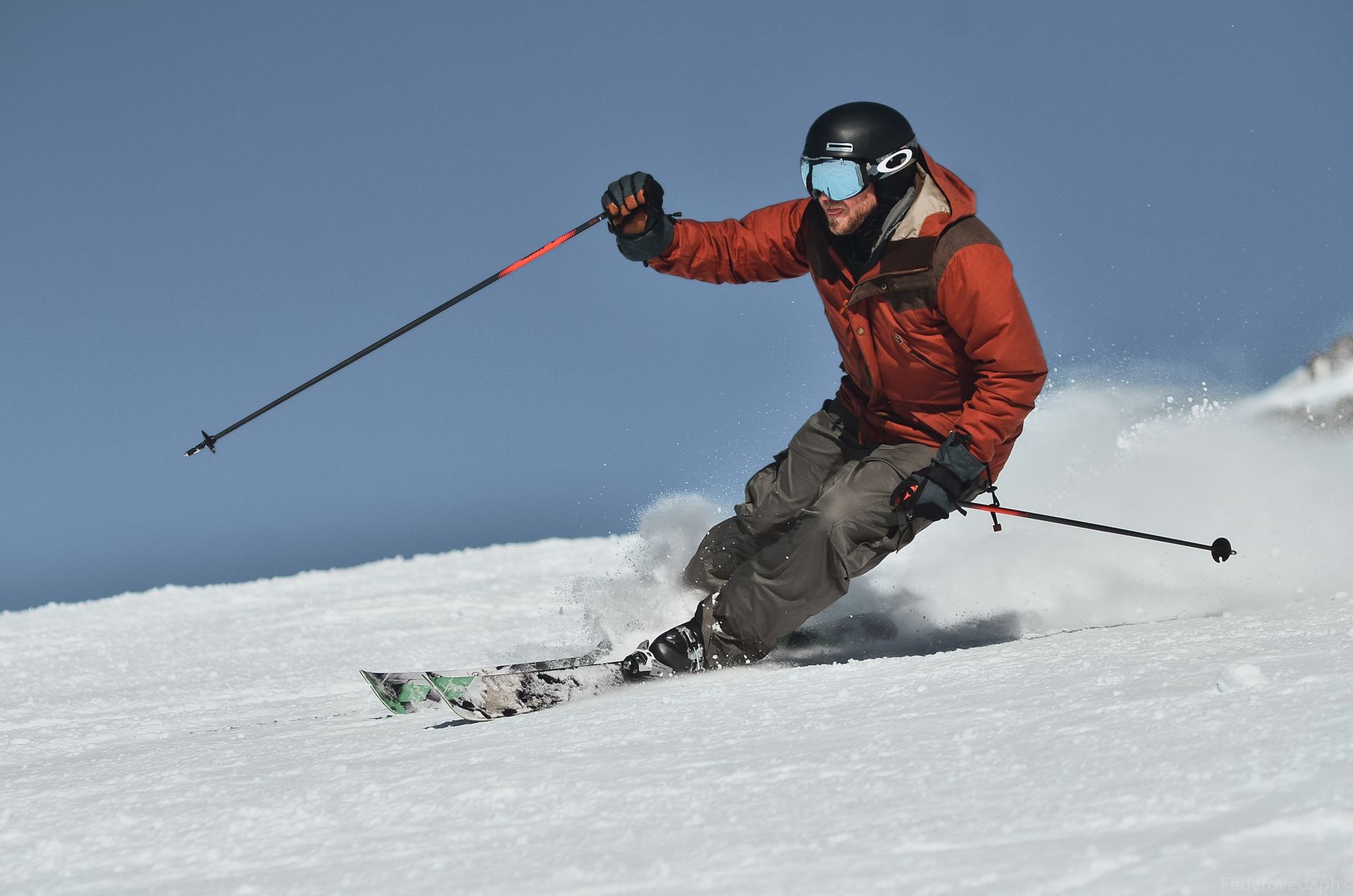
To deliberately accumulate high-quality intensity minutes while skiing, focus on terrain selection and run frequency rather than speed alone. Intermediate terrain with consistent pitch—not so steep that you’re terrified and braking constantly, but not so gentle that you can coast—tends to keep your heart rate in the zone. Steep terrain with technical features forces more engagement, but you’ll also spend more time stopping if you’re cautious. Advanced skiers on black diamonds will naturally accumulate more intensity, but recreational skiers can achieve substantial stimulus on blue runs.
The practical tradeoff is time versus effort. A skier willing to make frequent runs—8 to 12 per day—will accumulate far more intensity minutes than someone who takes 2 to 3 slow runs and spends the rest of the day in the lodge. High-efficiency days involve planning: arriving early when the mountain is fresh, taking minimal breaks, choosing runs that keep you engaged without overdoing it. A runner might log 60 to 90 intensity minutes on a focused day; a committed skier can match that over the same time period, though it requires intentional effort.
Watch Out for the Deconditioning Effect and Injury Risk
One important warning: if skiing is significantly higher intensity than your baseline fitness, your body may struggle to adapt. A runner who is very fit for running but hasn’t skied in years should expect unusually high fatigue and delayed muscle soreness after even one day. Your ski-specific muscles—particularly your vastus medialis and hip stabilizers—may not be conditioned for the eccentric demands of turns and braking. Starting with fewer runs on easier terrain is essential, even if you feel like you could do more. The second concern is injury risk during intense skiing days.
When you’re fatigued, your form breaks down. Fatigued legs mean sloppy turns, which means higher impact on your knees and ankles. A runner accustomed to accumulated fatigue in endurance efforts might push too hard during their second day of skiing and end up injured. This is particularly true for anterior knee pain, which many runners already have. The demand on your knees while skiing—constant tension, rotation, and impact—is substantially different than running impact. If skiing aggravates your knees, backing off intensity should be immediate, not something you push through.

How Altitude and Cold Amplify the Intensity Response
Most ski mountains are at significant elevation—anywhere from 7,000 to 12,000 feet for major resorts. Even if you’re not climbing that elevation during a run, your body is working in a lower-oxygen environment, which increases cardiovascular demand. Your heart has to beat faster to deliver the same amount of oxygen to your working muscles. This means your intensity minutes at elevation feel genuinely harder than the same effort would at sea level.
A skier working at what feels like threshold intensity (hard, sustainable effort) at 10,000 feet is actually working at a higher absolute percentage of their VO2 max compared to sea level. Cold temperatures add another layer of demand. Your body has to maintain core temperature while performing intense exercise, which diverts some metabolic resources away from movement itself. This is why a ski day can feel disproportionately exhausting compared to running the same duration at lower elevation and warmer temperature. A runner used to 50-degree fall running might find that 25-degree ski conditions feel dramatically more demanding.
Planning Skiing Into Your Winter Training Block
For runners in winter, skiing can serve as a genuine high-intensity interval session when done deliberately, or as active recovery when done casually. The key is intention. A runner might plan a “ski intensity day” where they commit to frequent runs on terrain that keeps their heart rate elevated, using that as a replacement for a track workout or tempo run.
This is especially valuable for runners living in snowy climates where running in winter becomes difficult. The broader value of skiing is that it offers psychological relief from the repetition of running while maintaining your cardiovascular base. Many runners who try to maintain fitness through winter running alone end up injured or burned out; adding skiing—if you have access—provides a new stimulus that challenges the cardiovascular system without the pounding. As winter climate zones face increasing variability (warm spells, less reliable snow), the ability to use skiing as a backup cross-training option becomes more important for runners who want to maintain fitness year-round.
Conclusion
Downhill skiing is genuinely a high-intensity activity that can generate significant intensity minutes in a concentrated time frame. A full day of committed skiing can deliver 40-60 quality intensity minutes, matching or exceeding what many runners get from a structured interval session. The eccentric loading and novel muscular demands make skiing feel harder than equivalent intensity from running, even though the total time commitment is shorter.
For runners looking to maintain cardiovascular fitness during winter or seeking variety in their training, skiing is worth taking seriously as more than just leisure. Plan your runs strategically, start conservatively if you’re not currently adapted to skiing, and recognize that the intensity is real even if the workout feels shorter than your typical running session. The best winter training block isn’t running alone or skiing alone—it’s having both available and using each strategically.
Frequently Asked Questions
How many intensity minutes do you actually get from skiing in a day?
A full day of focused skiing typically generates 40-60 intensity minutes for recreational-to-intermediate skiers, or up to 80-100 intensity minutes for advanced skiers making many runs on steep terrain. This assumes deliberate run selection and frequent runs; casual skiers taking 3-4 slower runs per day might only accumulate 20-30 minutes.
Can skiing replace running as a winter training method?
Skiing can replace some of your running workload for maintaining cardiovascular fitness, but it doesn’t replicate the aerobic stimulus of long, steady-state running. It’s better used as a high-intensity session or cross-training day rather than a complete replacement for your entire running program.
Will skiing make me sore if I’m a runner but not a skier?
Almost certainly, yes. The eccentric loading of skiing stresses muscles—particularly the quads and stabilizers—differently than running. Expect significant soreness after your first few ski days, and plan accordingly by doing lighter running workouts the days immediately following an intense ski day.
What’s the best way to track intensity minutes from skiing?
Most modern smartwatches can track heart rate and estimate intensity based on zone targets, but they may overestimate or underestimate depending on the device and your individual cardiovascular response. Manual tracking—noting how many minutes your heart rate stayed in your target intensity zone—is more reliable for skiing since the workout is shorter and the effort more variable than running.
Should I worry about my knees when skiing hard?
If you already have knee pain from running, intense skiing will likely aggravate it. The rotational forces and constant tension demand on the knee joint during skiing is substantial. Start conservatively, listen to your body, and don’t assume you can handle the same intensity as an advanced skier if your knees are sensitive.
Is it better to ski one long run or multiple shorter runs for intensity?
Multiple shorter runs with rest intervals (the chairlift recovery) creates more of an interval-training effect and allows you to maintain higher intensity across more volume. One long run will be more fatiguing but less repeatable throughout the day. For accumulating total intensity minutes, multiple runs is more efficient.