
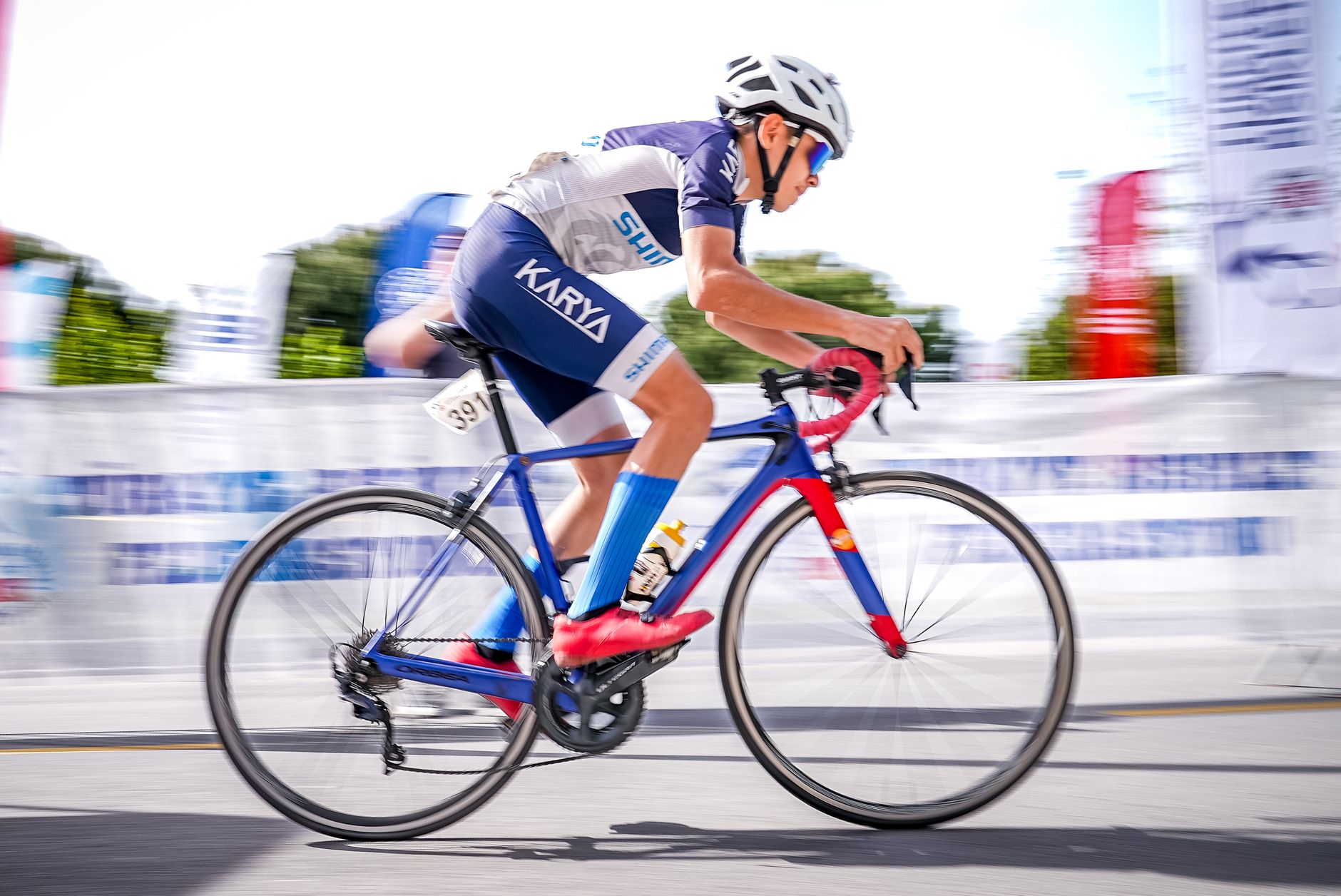
Bicycling earns intensity minutes primarily in the moderate zone because the physical demands of pedaling naturally place most cyclists in a heart rate range that registers as moderate-intensity cardio activity. Unlike sprinting or climbing steep hills, the sustained, rhythmic nature of cycling—whether stationary or outdoor—keeps most riders hovering between 50 to 70 percent of their maximum heart rate for the bulk of their workout. Even e-cyclists, despite the motor assistance, hit 67.1 to 79.1 percent of their maximum heart rate during sessions, landing squarely in the moderate-intensity zone where the body burns fat efficiently while building aerobic fitness.
A concrete example illustrates this clearly: imagine a 30-minute cycling session where you maintain a steady pace for 20 minutes and push harder for the final 10 minutes. On a Fitbit or similar tracker, that moderate effort translates to roughly 20 “Active Zone Minutes” from the steady portion and potentially 20 more from the harder push. Your tracker awards 1 Active Zone Minute per minute spent in the fat-burn zone (where many cyclists spend their time) and 2 Active Zone Minutes per minute in the cardio or peak zones. The majority of casual and moderate cyclists accumulate their intensity minutes this way—steadily, sustainably, and almost always in the moderate range rather than the peak exertion zones that elite cyclists might reach.
Table of Contents
- Why Does Cycling Predominantly Register in the Moderate Intensity Zone?
- How Heart Rate Response Creates the Moderate-Zone Pattern
- Active Zone Minutes and How Trackers Calculate Your Cycling Effort
- Practical Strategies to Maintain and Maximize Cycling Intensity
- The Reality of Relying Solely on Moderate-Zone Cycling
- Electric Bikes as a Gateway to Moderate-Intensity Exercise
- The Growing Role of Cycling in Mainstream Fitness
- Conclusion
- Frequently Asked Questions
Why Does Cycling Predominantly Register in the Moderate Intensity Zone?
Cycling is a low-impact, repetitive movement that doesn’t demand the explosive effort of running or the maximum-heart-rate spikes of sprinting. The pedaling motion, whether outdoors or on a stationary bike, distributes effort evenly across multiple muscle groups—quadriceps, glutes, hamstrings, and calves—without forcing any single system to max out. This distributed workload means most cyclists sustain their effort at a level that feels “moderately hard”—hard enough to elevate heart rate and breathing, but not so hard that they can’t maintain conversation or sustain the effort for 30 to 60 minutes. That sweet spot is the definition of moderate-intensity aerobic exercise.
The science backs this up through metabolic equivalents, or METs. Bicycling, including electric bike riding, registers between 4.9 and 8.3 METs depending on speed and terrain—a range that squarely places cycling in the moderate-to-vigorous intensity category according to cardiovascular fitness standards. A 155-pound person pedaling at a moderate pace for 30 minutes on a stationary bike burns approximately 252 calories, a number that reflects the sustained but not maximal effort typical of cycling workouts. Contrast this with running, where beginners often spike into higher intensity zones within minutes, and you see why cycling is prized as a way to accumulate steady, recoverable intensity minutes.

How Heart Rate Response Creates the Moderate-Zone Pattern
The heart rate response during cycling provides the clearest window into why moderate intensity dominates. During a typical e-bike or pedal-powered cycling session, riders sustain 67.1 to 79.1 percent of their maximum heart rate—a range that fitness trackers and sports watches classify as moderate to moderate-vigorous intensity. That percentage isn’t arbitrary; it’s the zone where the cardiovascular system is working hard enough to build aerobic capacity and endurance, but not so hard that the body rapidly accumulates lactate or forces the workout to end in minutes.
One important limitation to keep in mind: not all cyclists experience the moderate zone the same way. A fit cyclist might perceive a pace that raises their heart rate to 70 percent as “easy,” while a less-trained rider could feel the same absolute intensity as “moderate or even hard.” This perceptual difference doesn’t change the physiological reality—heart rate percentage is what matters for intensity classification—but it means cyclists often don’t feel like they’re working as hard as their tracker claims. Newer cyclists sometimes feel discouraged when they’re working at what feels like a strenuous effort and their watch still awards only moderate-intensity credit because their heart rate hasn’t climbed into the cardio or peak zone. Conversely, very fit cyclists sometimes find it difficult to stay in moderate zones; their aerobic efficiency means they can sustain lower heart rates at higher speeds, making it harder to accumulate moderate-zone minutes without deliberately slowing down.
Active Zone Minutes and How Trackers Calculate Your Cycling Effort
Fitbit and similar fitness trackers quantify cycling intensity through Active Zone Minutes, a metric that assigns different point values depending on which heart rate zone you occupy. For every minute spent in the fat-burn zone (roughly 50 to 69 percent of maximum heart rate), you earn 1 Active Zone Minute. Step into the cardio zone (70 to 84 percent of max heart rate) or the peak zone (85 percent and above), and you earn 2 Active Zone Minutes per minute. This weighted system rewards both sustained moderate effort and harder pushes, but it explains why steady cycling sessions typically yield lower total Active Zone Minutes than sports that more easily push riders into cardio or peak zones.
Consider a real example: a 30-minute steady cycling session where you spend 20 minutes in the fat-burn zone and 10 minutes in the cardio zone would net you (20 × 1) + (10 × 2) = 40 Active Zone Minutes total. That’s solid progress toward the 150 weekly Active Zone Minutes many health guidelines recommend, but it comes from a single, sustainable workout. The value of this system is that it acknowledges both steady, moderate effort and brief high-intensity pushes as legitimate fitness contributions. The limitation, however, is that cyclists who prefer long, conversational rides in the fat-burn zone accumulate Active Zone Minutes more slowly than they might on a rowing machine or treadmill, where the biomechanics more easily drive heart rate higher. This reality has made cycling a common choice for people who want to build fitness while avoiding the joint stress and intensity spikes of higher-impact activities.
Practical Strategies to Maintain and Maximize Cycling Intensity
The key to getting the most from cycling, especially if you’re trying to accumulate meaningful intensity minutes, is structure and intention. Rather than floating through a casual bike ride, deliberately mix steady moderate-effort stretches with brief harder pushes—maybe 5 minutes of climbing or increased resistance every 10 to 15 minutes. This interval approach allows you to accumulate both fat-burn and cardio zone minutes in a single session without requiring the kind of exhausting sprints that might come from running or rowing. A 45-minute stationary bike session with three 5-minute harder pushes can deliver 60 to 70 Active Zone Minutes and the same cardiovascular benefit as a shorter, higher-intensity workout.
One important comparison: while moderate-intensity cycling is excellent for building aerobic base and is sustainable for multiple sessions per week, it won’t produce the rapid fitness gains that high-intensity interval training (HIIT) does. A runner doing 20 minutes of HIIT might accumulate 20 Active Zone Minutes in the peak zone, while a cyclist doing the same time in steady moderate effort might earn 15 to 20 in the fat-burn zone. The trade-off is durability and recovery: moderate-intensity cycling can be done daily or nearly daily without overtraining, while peak-zone work requires recovery time. For cyclists training for endurance—longer rides, touring, or centuries—moderate-intensity work is not just acceptable; it’s essential. Building a base of sustainable, moderate-intensity miles teaches your body to work efficiently at the pace you’ll hold for hours.
The Reality of Relying Solely on Moderate-Zone Cycling
While moderate-intensity cycling is effective for general fitness and calorie burn, relying exclusively on it has drawbacks. If your goal is pure speed improvement or peak performance, moderate-zone cycling alone won’t get you there. Your body adapts specifically to the stimulus it receives; training mostly in moderate zones builds aerobic endurance but doesn’t develop the neuromuscular power or VO2 max gains that harder efforts produce. Athletes serious about performance invariably incorporate some work at higher intensities, even if moderate-zone miles form the base of their training.
Another limitation worth noting: individual variation in calorie expenditure is real and can be humbling. A 125-pound person burns roughly 210 calories in 30 minutes of moderate stationary cycling, while a 185-pound person burns 294 calories in the same time—a 40 percent difference based purely on body mass. If you’re using cycling for weight loss and tracking calories carefully, this range matters; your fitness tracker might overestimate or underestimate your burn depending on your size and metabolism. Additionally, indoor stationary cycling burns fewer calories than outdoor cycling at the same perceived intensity, because outdoor cycling requires constant balance adjustments and encounters wind resistance. Expect your stationary bike to underestimate energy expenditure compared to outdoor riding, even at the same heart rate.

Electric Bikes as a Gateway to Moderate-Intensity Exercise
E-bikes have emerged as a significant tool for making moderate-intensity cycling accessible to people who might otherwise avoid cycling altogether. About 34 percent of e-bike owners report using their bikes specifically for exercise, according to the McKinsey 2024 Mobility Consumer Survey. This matters because e-bikes allow older cyclists, heavier riders, or people returning to fitness after injury to maintain moderate intensity without the steep hills or hard climbs that would force them into zone exhaustion. An e-cyclist can select pedal-assist levels to stay consistently in the 67 to 79 percent heart rate range—moderate intensity—for as long as they want to ride, a feat that might be impossible on a steep route on an unpowered bike.
The e-bike data reveals another angle on the moderate-zone phenomenon: even with motor assistance, the act of pedaling and the aerobic demand still registers as moderate-to-vigorous intensity. This is important because it demolishes the idea that assisted cycling is somehow “cheating” or less valuable for fitness. The heart rate data proves that moderate-intensity work is moderate-intensity work, regardless of how a rider gets there. For someone trying to accumulate 150 Active Zone Minutes per week, an e-bike making cycling accessible and enjoyable might be the difference between consistency and dropout.
The Growing Role of Cycling in Mainstream Fitness
Cycling is experiencing sustained momentum as a fitness modality. Global cycling usage increased 5 percent between 2024 and 2025, reflecting a broad shift toward activities that balance intensity, sustainability, and accessibility. This growth reflects growing recognition that fitness doesn’t require peak-zone suffering every session; moderate-intensity work done consistently over weeks and months produces real, durable improvements in aerobic fitness, body composition, and injury resistance.
Looking forward, the positioning of cycling as a moderate-intensity activity is unlikely to change, but acceptance of moderate-intensity work as legitimate fitness is expanding. For decades, fitness culture glorified “no pain, no gain” and maximum-intensity efforts. The pendulum is swinging back toward understanding that the most sustainable path to lifelong fitness is building a base of moderate-intensity work, sprinkled with occasional harder efforts. Cycling’s natural fit in that paradigm—its capacity to deliver moderate intensity without joint stress, at virtually any fitness level, and with the flexibility to add harder pushes when desired—positions it well as more people prioritize longevity over peak performance.
Conclusion
Bicycling earns intensity minutes primarily in the moderate zone because the mechanics of pedaling, the cardiovascular response it produces, and the sustainable pace most cyclists adopt combine to place riders consistently in the 50 to 79 percent maximum heart rate range. That’s not a limitation; it’s a feature. Moderate-intensity cycling is accessible, repeatable, efficient for building aerobic fitness and burning calories, and can be scaled to any fitness level.
Whether you’re on a stationary bike accumulating 252 calories and 20 to 30 Active Zone Minutes in 30 minutes, or riding e-bike trails at a comfortable clip, you’re doing legitimate, measurable fitness work that your body will adapt to and improve from. If cycling is your primary fitness activity, embrace the moderate-zone focus and plan accordingly: build consistency through frequent, sustainable sessions rather than chasing peak intensity, mix in deliberate harder efforts occasionally rather than never, and track your progress over weeks and months rather than minutes and seconds. For runners, swimmers, and other athletes considering adding cycling to their routine, recognize it as a complementary moderate-intensity tool that builds aerobic base, improves body composition without the joint stress of running, and provides active recovery opportunities between harder efforts. That is the promise of cycling: steady, proven, moderate-intensity work that adds up over time.
Frequently Asked Questions
Why does my cycling heart rate feel lower than my running heart rate at the same effort level?
Cycling distributes muscular effort across larger muscle groups and causes less impact-driven heart rate spikes than running. At the same perceived effort, running typically elevates heart rate higher because of the vertical impact and smaller muscle groups involved. This is normal and doesn’t mean your cycling workout is less intense; your cardiovascular system is simply being challenged differently.
Can I build serious fitness on moderate-intensity cycling alone?
You can build significant aerobic fitness, endurance, and work capacity on moderate-intensity cycling, especially if consistency is your strength. However, if your goal includes peak performance, speed, or VO2 max gains, you’ll eventually need harder efforts. Moderate work builds the base; intensity builds the peak.
How often should I cycle to accumulate 150 Active Zone Minutes per week?
That depends on the intensity of your rides. If you do four 40-minute moderate steady rides, you’d accumulate roughly 40 to 50 Active Zone Minutes per week. To reach 150, you’d need either longer rides, more frequent rides, or deliberate harder pushes during your sessions. Most cyclists mixing steady work with occasional intensity achieve it in three to four rides per week.
Is stationary cycling as effective as outdoor cycling?
Both build fitness, but outdoor cycling typically burns more calories at the same heart rate because of wind resistance and terrain variability. For intensity training and time efficiency, stationary bikes are excellent. For long-term sustainability and outdoor riding skills, outdoor cycling has advantages. Ideally, include both.
Should I use an e-bike if I’m serious about fitness?
E-bikes are legitimate fitness tools that deliver measurable moderate intensity, as evidenced by heart rate data. If an e-bike makes cycling enjoyable and sustainable for you, the consistency and adherence gains outweigh any ego concerns about pedal assistance. Fitness built consistently is better than fitness that doesn’t happen.
How do I know if I’m in the moderate zone without a heart rate monitor?
In the moderate zone, you should be able to speak in short sentences but not carry on an effortless conversation. Your breathing should be elevated but not gasping. This “talk test” correlates reliably with moderate-intensity zones and requires no technology.
1 thought on “Bicycling: How It Earns Intensity Minutes Mostly in the Moderate Zone”
Comments are closed.