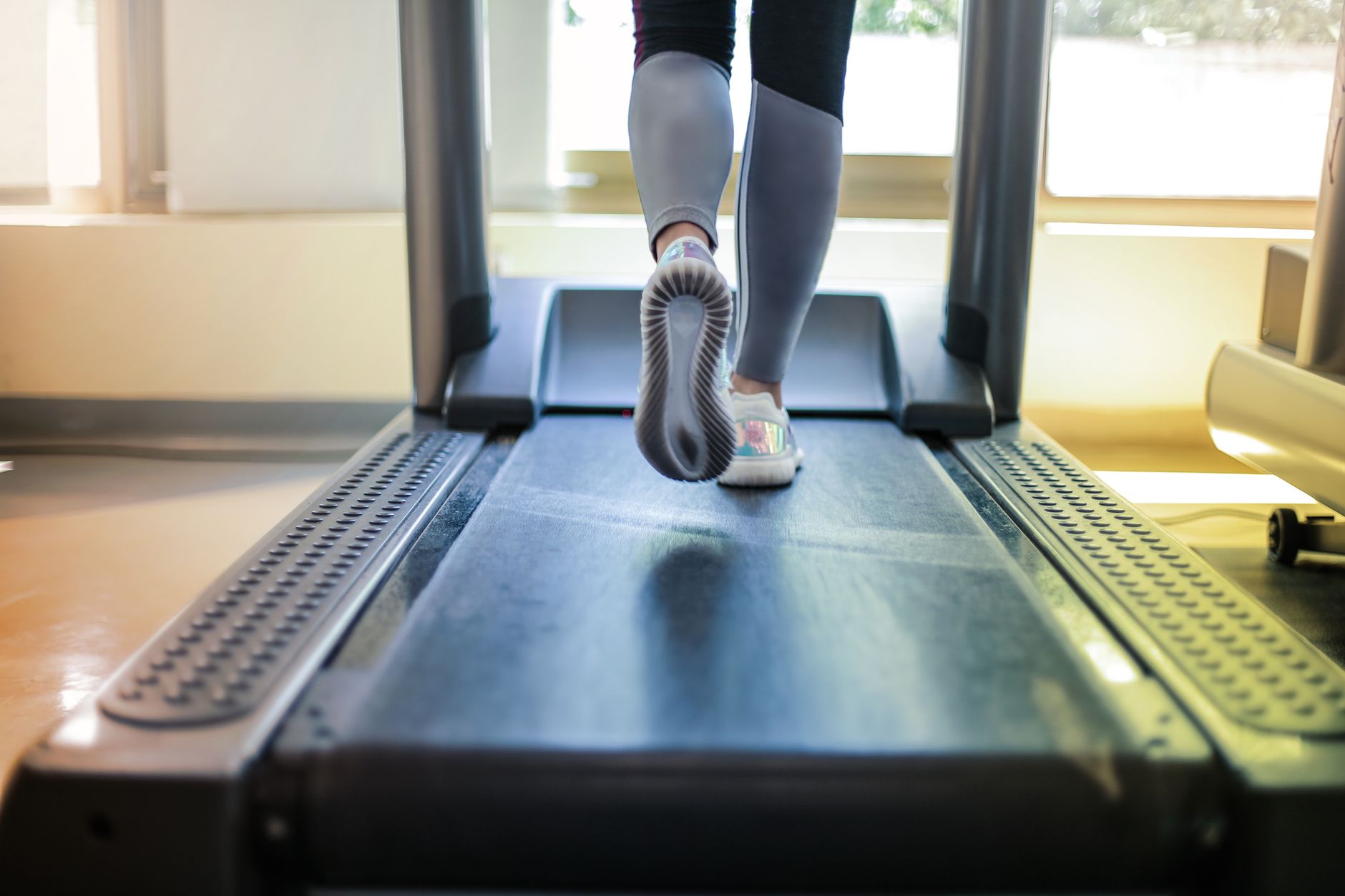
A short afternoon nap can improve later treadmill endurance if you slept too little the night before. Well-rested runners get little or no extra benefit. Time to exhaustion means how long you can hold a demanding pace before stopping. The direct treadmill test used trained men running at set shares of VO2max, the peak rate of oxygen use in hard exercise.
Medical information disclaimer: This article is for general educational purposes only and does not provide medical advice, diagnosis, or treatment. Always consult a physician or other qualified health professional about symptoms, medications, tests, or treatment decisions.
Table of Contents
- Who gains the most?
- What does short, hard running show?
- How should you time a pre-run nap?
- Where are the limits?
Who gains the most?
The Bangor treadmill trial tested 11 trained male runners over morning and evening sessions. They ran 30 minutes in the morning, then 20 minutes plus a run to exhaustion in the evening. On one day they took a 20-minute afternoon nap about 90 minutes before evening exercise. Runners lasted 596±148 seconds after napping and 589±216 seconds without it (p=0.83).
According to the Bangor University record, the overall difference was not meaningful. Runners averaging 6.4±0.7 hours of nighttime sleep improved, while those averaging 7.5±0.4 hours did not. Less nighttime sleep predicted a larger treadmill gain, with the clearest gains below about 7 hours. Perceived exertion means how hard the effort feels. Lower exertion scores accompanied the improved runs.
What does short, hard running show?
A shuttle-run experiment tested 17 physically active men with 25-, 35- and 45-minute daytime nap chances. According to the Frontiers in Physiology report, all three nap chances raised total distance over no nap. Best distance rose about 6% after 25 minutes and 9% after 45 minutes.
Mean exertion was about 19-20% lower after the 45-minute nap chance than after no nap or a 25-minute nap. The run felt easier after the longer rest. A Sports Medicine systematic review found higher best shuttle distance, higher total distance, and lower fatigue with napping. According to the Mainz bibliography record for Sports Medicine, effect sizes were 1.026, 0.737 and 0.839, while muscle force did not change.
How should you time a pre-run nap?
For a pre-treadmill nap, keep it to about 20 minutes and never longer than 30 minutes. According to the Sleep Foundation guidance, waking from deeper sleep can bring grogginess that worsens sleepiness before running.
Use the nap as a short reset, not as catch-up sleep. This routine fits the tested pattern: A quiet, dark room and a gentle alarm help you wake on time. Give yourself a few minutes to shake off sleepiness before starting the belt.
- Keep the nap to about 20 minutes.
- Finish about 90 minutes before the treadmill run.
- Save it for nights under about 7 hours.
Where are the limits?
The direct running evidence is narrow and mixed. Only 11 trained men completed the treadmill trial and only 17 active men completed the shuttle trial.
Endurance results differed between the two tests. Results may not carry over to women, older runners, or well-rested runners. If you slept under 7 hours, a 20-minute nap about 90 minutes before your run has the best support.