The best running shoes for mixed treadmill and outdoor training are versatile neutral trainers with moderate cushioning, a durable rubber outsole, and a midsole that balances responsiveness with protection. Look for shoes with multi-surface traction patterns rather than specialized road or trail designs, and prioritize breathable uppers that can handle both climate-controlled gyms and variable outdoor conditions. A runner who splits time between a home treadmill and neighborhood streets would do well with shoes like the Brooks Ghost, ASICS Gel-Nimbus, or New Balance Fresh Foam 1080″”all designed for daily training across surfaces without sacrificing durability or comfort. Choosing a single shoe for both environments requires understanding the different demands each places on footwear. Treadmill running generates more heat due to the belt’s friction and enclosed spaces, while outdoor running exposes shoes to abrasive pavement, moisture, and temperature extremes.
The good news is that most quality daily trainers handle both environments capably, though certain features become more important when you’re not committing to one surface. This article covers what to look for in cushioning and support, how outsole design affects durability across surfaces, the role of breathability and fit, and practical strategies for extending shoe life when alternating between treadmill and outdoor sessions. A common mistake is assuming you need two separate pairs from the start. For runners logging under 30 miles per week split between surfaces, a well-chosen versatile trainer typically handles both duties for 400-500 miles before showing significant wear. However, higher-mileage runners or those training for specific races may eventually benefit from dedicated shoes for each environment, which we’ll address in later sections.
Table of Contents
- What Makes Running Shoes Suitable for Both Treadmill and Outdoor Training?
- Outsole Durability and Traction Patterns for Multi-Surface Running
- How Cushioning Needs Differ Between Treadmill and Road Running
- Breathability and Upper Construction for Indoor-Outdoor Versatility
- Managing Shoe Rotation and Wear Patterns Across Surfaces
- Stability Features and Pronation Control for Mixed-Surface Training
- How to Prepare
- How to Apply This
- Expert Tips
- Conclusion
- Frequently Asked Questions
What Makes Running Shoes Suitable for Both Treadmill and Outdoor Training?
The defining characteristic of a good dual-purpose running shoe is balanced construction that doesn’t overspecialize for either surface. Treadmill belts provide consistent cushioning and a predictable surface, which means the aggressive rock plates and deep lugs found on trail shoes become unnecessary weight. Conversely, the thin, minimal outsoles designed for treadmill-only shoes wear down rapidly on concrete and asphalt. The sweet spot sits in the middle: shoes with enough midsole cushioning to absorb outdoor impact, outsoles durable enough for pavement, and enough flexibility to move naturally on a treadmill belt. Midsole foam technology matters significantly here. Modern foams like Nike’s ZoomX, Saucony’s PWRRUN+, and ASICS’s FF Blast offer the responsiveness that feels natural on a treadmill while providing adequate protection for harder outdoor surfaces.
A runner weighing 170 pounds might find that a shoe with 8-10mm of heel-to-toe drop and moderate stack height (around 30-35mm in the heel) works well across both environments. Lower-drop shoes can work but may require more calf adaptation, particularly when transitioning between the softer treadmill surface and unforgiving concrete. The comparison between specialized and versatile shoes reveals clear tradeoffs. A racing flat or super shoe might feel incredible on a treadmill but deteriorates quickly on outdoor pavement and offers minimal protection on longer runs. A heavily cushioned maximalist shoe provides excellent outdoor protection but can feel sluggish and disconnected on a treadmill where less cushioning is needed. The daily trainer category exists precisely for runners who need one shoe to handle varied training demands without excelling or failing dramatically in any single scenario.
Outsole Durability and Traction Patterns for Multi-Surface Running
Outsole construction becomes the primary durability concern when running on both treadmill and outdoor surfaces. The rubber compound and traction pattern determine how quickly your shoes wear down and how confidently they grip different surfaces. Carbon rubber outsoles, often found in heel strike zones, resist abrasion better than blown rubber but add weight. Most versatile trainers use a combination””carbon rubber in high-wear areas and blown rubber for lighter cushioning elsewhere. However, if you run primarily on concrete sidewalks with only occasional treadmill sessions, prioritize shoes with more extensive carbon rubber coverage even at the cost of slightly more weight.
The ASICS GT-2000 and Brooks Adrenaline GTS exemplify this approach, featuring reinforced outsoles that extend shoe life significantly on hard surfaces. Runners who flip this ratio””mostly treadmill with occasional outdoor runs””can opt for lighter shoes with less outsole rubber since the belt causes minimal abrasion. Traction pattern matters less on treadmills, where the belt’s texture provides consistent grip, but becomes critical outdoors. Waffle patterns and shallow flex grooves handle both environments well, allowing natural foot movement on the treadmill while providing adequate grip on dry pavement. Deep lugs designed for mud or technical trails create an unnatural feel on flat surfaces and often cause the sensation of running on small rocks when used on treadmills. The limitation here is wet conditions””versatile trainers rarely match the wet-surface grip of dedicated road racing shoes with specialized rubber compounds, so outdoor runners in rainy climates may need to accept some compromise or consider a second pair.
How Cushioning Needs Differ Between Treadmill and Road Running
The cushioning equation shifts depending on your primary surface, and understanding this helps explain why some runners prefer different shoes for each environment. Treadmill belts already provide 1-3mm of give, absorbing some impact before it reaches your feet. This built-in cushioning means highly padded shoes can feel mushy or disconnected during treadmill runs, reducing the ground feel and proprioception that help maintain efficient form. Road running offers no such assistance””concrete returns nearly 100% of impact force, making cushioning more critical for joint protection. A practical example illustrates this difference: a runner doing tempo intervals on a treadmill often prefers a lighter, more responsive shoe because the controlled environment and softer surface allow for faster turnover without excessive impact stress.
That same runner doing long outdoor runs on pavement benefits from additional cushioning to reduce cumulative stress over 10-15 miles. For mixed-surface trainers, this suggests erring toward the middle””enough cushioning for reasonable outdoor protection without so much that treadmill runs feel sluggish. Stack height and foam density both contribute to this balance. Moderate stack heights (28-34mm) typically work well across surfaces, while extreme stacks above 40mm increasingly specialize the shoe for maximum cushioning at the expense of treadmill feel and versatility. Foam density matters too””softer foams compress more under bodyweight, which some runners find uncomfortable on the firm treadmill belt where they don’t need additional compression absorption.
Breathability and Upper Construction for Indoor-Outdoor Versatility
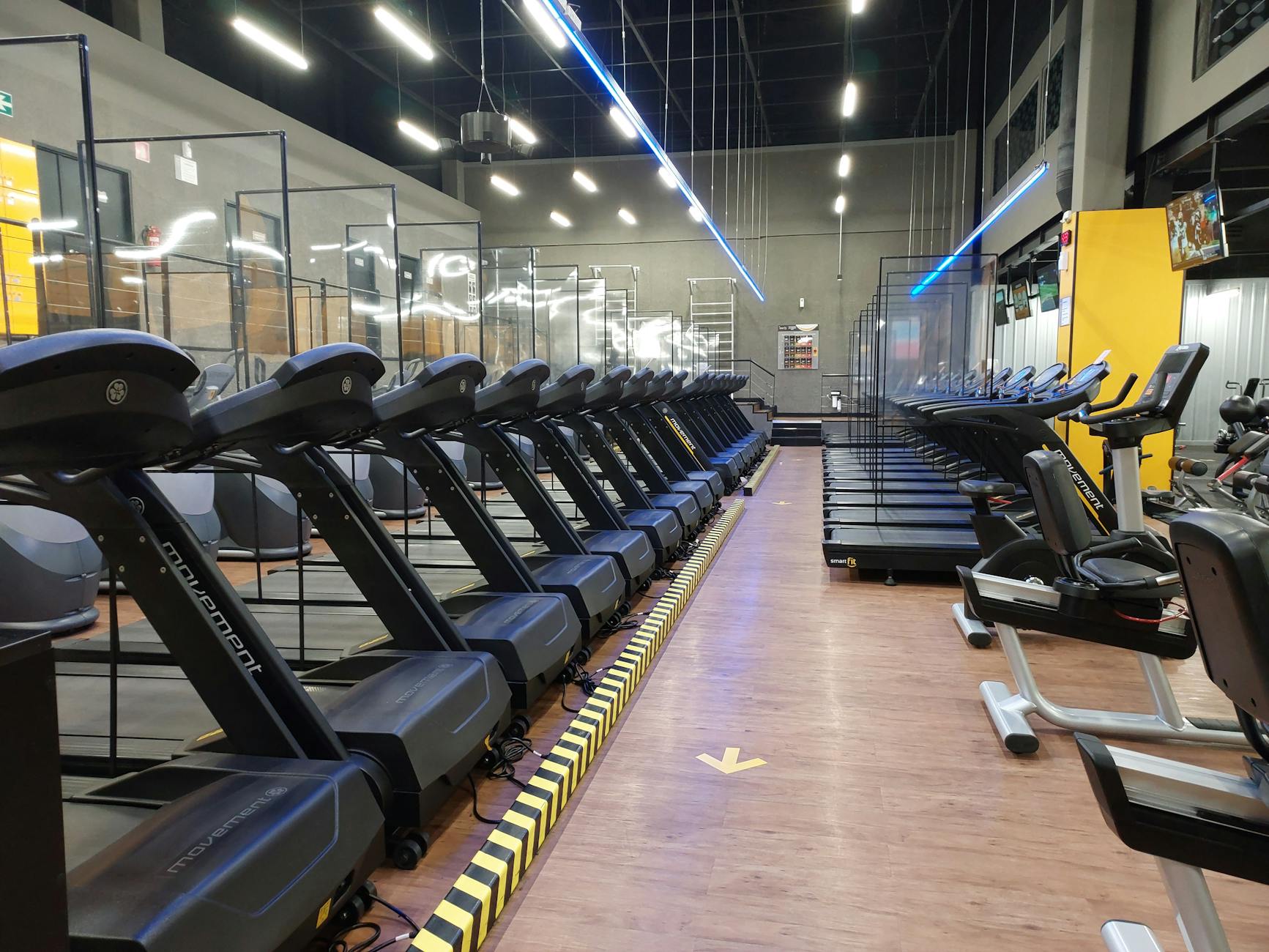
Ventilation becomes unexpectedly important for mixed-surface runners because indoor and outdoor environments create drastically different thermal challenges. Gym environments, even well-ventilated ones, typically run warmer than outdoor conditions, and treadmill running generates more heat due to the absence of wind cooling your body. A shoe with poor breathability that feels acceptable during a winter outdoor run might become uncomfortably hot and sweaty during a treadmill session in that same gym. Engineered mesh uppers, now standard on most running shoes, generally provide adequate breathability for both environments. The key is ensuring the mesh extends across the forefoot where heat builds most significantly. Shoes with extensive overlays, dense tongue padding, or waterproof membranes trap heat effectively””useful for cold, wet outdoor runs but problematic indoors.
For example, the Nike Pegasus uses a single-layer mesh upper that breathes well across environments, while winter-oriented versions of the same shoe with weather-resistant treatments would be poor choices for treadmill work. The tradeoff here involves durability and protection. More open mesh constructions breathe better but offer less protection from debris and less structural support over time. Runners who frequently encounter puddles, gravel, or rough sidewalk conditions outdoors may prefer slightly less breathable uppers that better protect their feet. Those running primarily on clean suburban roads and gym treadmills can prioritize maximum ventilation. Neither choice is wrong, but understanding your specific needs prevents buying shoes optimized for conditions you rarely encounter.
Managing Shoe Rotation and Wear Patterns Across Surfaces
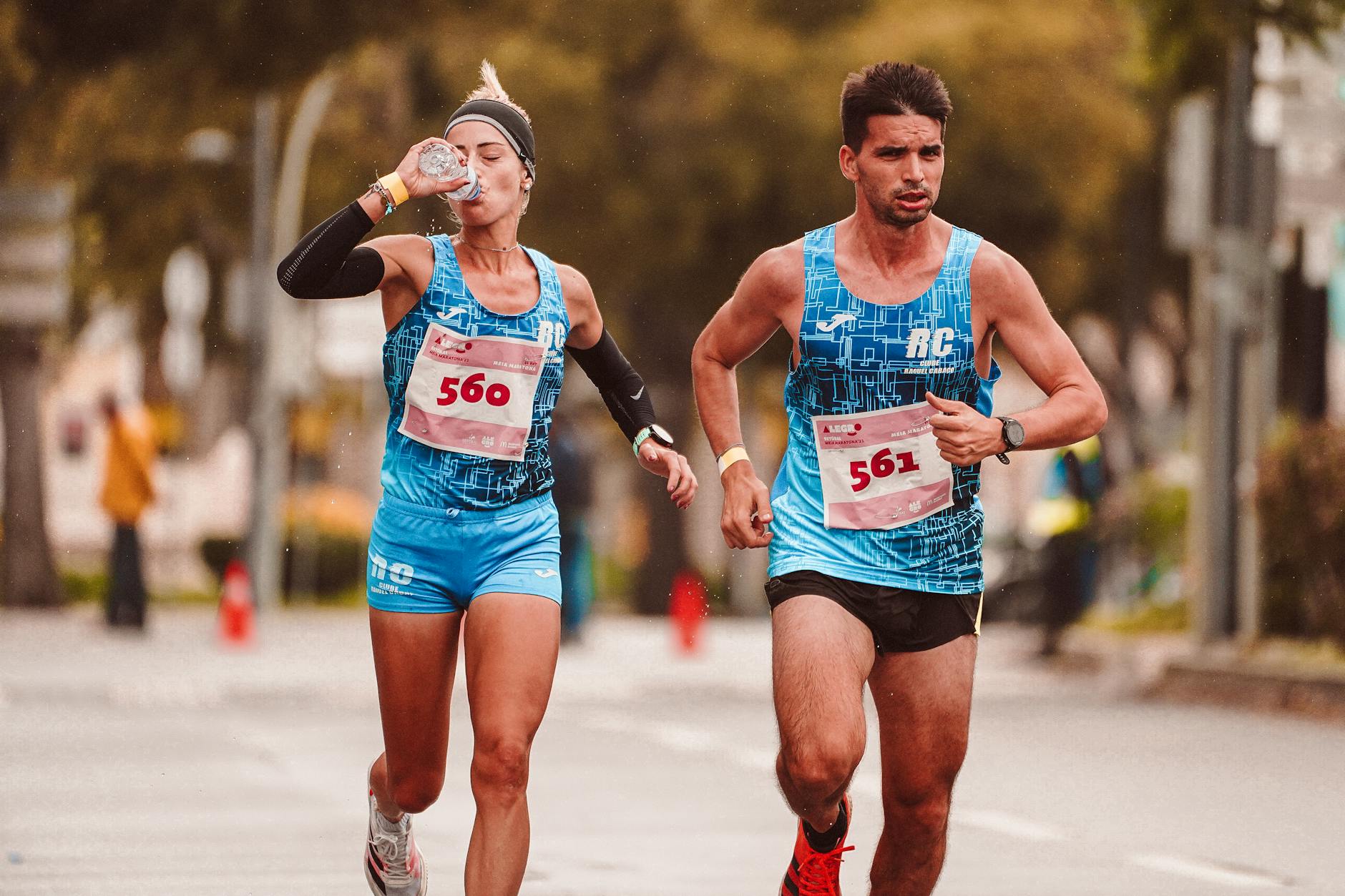
Alternating between surfaces creates distinctive wear patterns that differ from single-surface use, and understanding these patterns helps you monitor shoe condition and timing for replacement. Treadmill running causes minimal outsole wear but compresses midsole foam through consistent, repetitive loading. Outdoor running wears down outsole rubber””particularly at the heel and toe””while exposing shoes to moisture, dirt, and UV degradation. Runners using one shoe for both surfaces often see asymmetric wear: relatively fresh-looking outsoles paired with compressed, less-responsive midsoles, or vice versa. The warning here involves tracking mileage rather than relying on visual inspection alone. A shoe with 400 miles of mixed use might look relatively intact because outdoor wear hasn’t abraded the outsole significantly, but the midsole foam may have lost 20-30% of its original cushioning properties.
Runners who don’t track mileage often run in degraded shoes longer than they should, increasing injury risk without realizing the cushioning has deteriorated. Phone apps or simple spreadsheets that log runs by shoe help avoid this trap. Higher-volume runners eventually face a decision: continue using one versatile shoe until it wears out, or rotate between dedicated pairs for each surface. Rotation extends total shoe life because foam recovers between runs””typically 24-48 hours for full recovery. A runner logging 40+ weekly miles split between environments might get 600+ total miles by alternating two pairs rather than 450-500 miles from each pair used exclusively. The added cost of maintaining two pairs pays dividends through reduced injury risk and better performance, though runners under 25-30 weekly miles may not see enough benefit to justify the expense.
Stability Features and Pronation Control for Mixed-Surface Training
Runners who need stability or motion control features face additional complexity when selecting dual-purpose shoes, as the interaction between stability technology and surface characteristics affects performance differently indoors versus outdoors. Traditional medial posts””firmer foam sections on the shoe’s inner side””work consistently across surfaces, but some newer stability mechanisms rely on geometric midsole designs or guide rails that interact differently with treadmill belts versus pavement. For example, Brooks’s GuideRails system creates guardrails around the heel and midfoot that guide natural motion rather than forcing correction. This geometry-based approach works well on both surfaces because it doesn’t depend on surface firmness to function. Conversely, some stability shoes with aggressive medial posting can feel over-corrective on treadmills, where the belt’s give already reduces inward collapse.
A moderate overpronator who needs stability on hard pavement might find that same shoe feels intrusive during treadmill intervals. The practical solution involves testing stability shoes on both surfaces before committing. Many specialty running stores have treadmills for this purpose. If testing isn’t available, opt for mild stability designs rather than motion control models, as these provide correction without over-engineering the running experience. Runners with severe overpronation or biomechanical issues may ultimately need different stability levels for each surface, making a two-shoe rotation more appealing despite the added cost.
How to Prepare
- **Track your current weekly mileage and surface split** for at least two weeks. Knowing whether you run 60% treadmill/40% outdoor versus the reverse significantly affects which features to prioritize. Runners with dominant outdoor mileage should lean toward more durable outsoles; treadmill-dominant runners can prioritize responsiveness and breathability.
- **Assess your current shoe wear patterns** by examining your most recent pair. Note where rubber has worn through, whether the midsole has compressed unevenly, and whether the upper has broken down. This wear signature reveals your gait characteristics and helps identify shoes built to withstand your specific stresses.
- **Determine your pronation type** either through gait analysis at a running store or by examining wear patterns on old shoes. Neutral runners have the widest selection of versatile trainers; overpronators need to filter for stability options, which narrows choices but doesn’t eliminate good dual-purpose options.
- **Set a realistic budget** understanding that quality versatile trainers typically cost $130-180. Shoes under $100 often sacrifice durability or cushioning quality, leading to faster replacement cycles that cost more long-term.
- **Identify any foot-specific needs** such as wide toe boxes, high arch support, or particular sensitivities. These requirements further filter your options and should take priority over surface-specific features.
How to Apply This
- **Start with shorter sessions on each surface** when breaking in new shoes. Run 2-3 miles on the treadmill and a similar distance outdoors before attempting longer efforts. This allows you to identify any fit issues or discomfort specific to either environment before committing to demanding workouts.
- **Adjust your treadmill incline to 1-1.5%** when using shoes optimized for outdoor firmness. This slight incline better simulates outdoor biomechanics and reduces the disconnect that cushioned outdoor shoes sometimes create on flat treadmill belts.
- **Monitor for hot spots or pressure points** that appear only in one environment. Treadmill running’s consistent motion can create friction in different areas than outdoor running’s varied terrain. If problems emerge, experiment with different lacing techniques before abandoning the shoes entirely.
- **Track mileage separately by surface** if possible, noting which environment accumulates more wear. This data informs future purchasing decisions and helps you recognize when shoes need replacement based on actual use rather than calendar time.
Expert Tips
- Choose shoes with at least 30% carbon rubber outsole coverage for mixed use; less than this often results in rapid wear when outdoor miles exceed 30% of total training.
- Do not prioritize lightweight shoes if durability matters””every gram saved typically comes from outsole rubber or midsole density, both critical for multi-surface longevity.
- Rotate shoes at least 24 hours between runs when possible; foam recovery time extends shoe life by 15-25% compared to daily use of the same pair.
- Consider your fastest and slowest training paces when evaluating shoes; a shoe that feels great at easy pace may feel dead during tempo work, or vice versa.
- Replace shoes based on mileage (400-500 miles for most dual-purpose trainers) rather than calendar time or visual appearance; midsole degradation isn’t always visible.
Conclusion
Selecting running shoes for mixed treadmill and outdoor training comes down to finding well-constructed daily trainers that avoid surface-specific specialization. Prioritize moderate cushioning, durable rubber outsoles with versatile traction patterns, and breathable uppers that handle both gym heat and outdoor conditions. The sweet spot exists in the daily trainer category, where shoes balance responsiveness for treadmill work with protection for outdoor miles without excelling or failing dramatically in either environment.
For most runners, a single quality pair handles both surfaces effectively through 400-500 miles. Those training at higher volumes or preparing for specific races may eventually benefit from dedicated rotation pairs, but this represents an optimization rather than a necessity. Start with one versatile trainer, track your mileage and wear patterns, and let your actual experience guide future purchasing decisions rather than buying more shoes than your training genuinely requires.
Frequently Asked Questions
How long does it typically take to see results?
Results vary depending on individual circumstances, but most people begin to see meaningful progress within 4-8 weeks of consistent effort. Patience and persistence are key factors in achieving lasting outcomes.
Is this approach suitable for beginners?
Yes, this approach works well for beginners when implemented gradually. Starting with the fundamentals and building up over time leads to better long-term results than trying to do everything at once.
What are the most common mistakes to avoid?
The most common mistakes include rushing the process, skipping foundational steps, and failing to track progress. Taking a methodical approach and learning from both successes and setbacks leads to better outcomes.
How can I measure my progress effectively?
Set specific, measurable goals at the outset and track relevant metrics regularly. Keep a journal or log to document your journey, and periodically review your progress against your initial objectives.
When should I seek professional help?
Consider consulting a professional if you encounter persistent challenges, need specialized expertise, or want to accelerate your progress. Professional guidance can provide valuable insights and help you avoid costly mistakes.
What resources do you recommend for further learning?
Look for reputable sources in the field, including industry publications, expert blogs, and educational courses. Joining communities of practitioners can also provide valuable peer support and knowledge sharing.