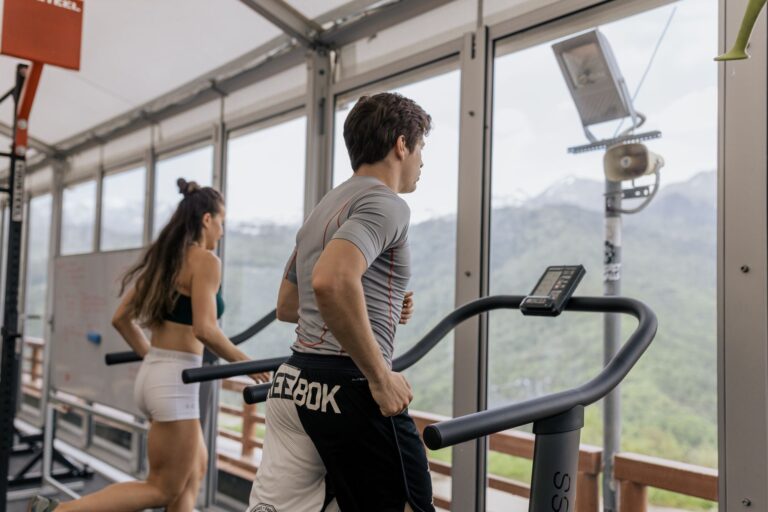
Replace your treadmill running shoes every 300 to 500 miles, or roughly every four to six months if you run regularly. The cushioning and support systems in running shoes break down gradually through repetitive impact, and treadmill running accelerates this wear in specific ways due to the consistent surface and belt friction. A runner logging 20 miles per week, for instance, would hit the 300-mile threshold in just 15 weeks””far sooner than many people realize. The exact replacement timing depends on several factors: your body weight, running form, shoe construction, and the treadmill surface itself.
Heavier runners compress midsole foam faster, while those with a pronounced heel strike create additional stress on cushioning materials. What makes treadmill shoes unique is that they often look relatively new on the outside while being thoroughly compromised on the inside, since the smooth belt surface doesn’t scuff or tear the outsole the way asphalt would. This article covers the specific signs that your treadmill shoes need replacing, how treadmill running differs from outdoor wear patterns, methods to track your shoe mileage accurately, and strategies to extend shoe life without compromising your joints. Understanding these factors helps you avoid the nagging injuries””shin splints, plantar fasciitis, knee pain””that often trace back to worn-out footwear.
Table of Contents
- How Often Should You Replace Running Shoes Used on a Treadmill?
- Signs Your Treadmill Running Shoes Have Lost Their Cushioning
- Treadmill Running Shoe Wear Patterns and What They Reveal
- How Treadmill Belt Surfaces Affect Running Shoe Longevity
- Tracking Mileage on Shoes Dedicated to Treadmill Use
- Why Treadmill Shoes Often Look Newer Than They Are
- How to Prepare
- How to Apply This
- Expert Tips
- Conclusion
- Frequently Asked Questions
How Often Should You Replace Running Shoes Used on a Treadmill?
The 300 to 500-mile guideline serves as a starting point, but treadmill-specific factors can shift this range in either direction. Treadmill belts create consistent friction patterns that wear the outsole evenly rather than grinding down high-contact areas like outdoor surfaces do. This even wear can actually extend outsole life by 10 to 15 percent compared to road running. However, the midsole””where the critical cushioning happens””degrades at roughly the same rate regardless of surface. Temperature plays an underappreciated role in treadmill shoe longevity.
Running indoors typically means warmer conditions than outdoor running, and heat accelerates the breakdown of EVA foam and other cushioning materials. A gym treadmill in a poorly ventilated space can subject your shoes to consistent 75 to 80-degree temperatures, causing the midsole to compress faster than the same shoes used in 50-degree outdoor conditions. This heat factor means treadmill-only shoes might need replacement closer to the 300-mile mark rather than the 500-mile end of the range. Body weight significantly influences replacement timing. Runners over 180 pounds typically find their shoes losing noticeable cushioning around 250 to 300 miles, while lighter runners under 150 pounds may safely push toward 450 or 500 miles. A 200-pound runner doing daily treadmill sessions might need new shoes every eight to ten weeks during high-volume training periods””a replacement frequency that surprises many people but directly correlates with injury prevention.
Signs Your Treadmill Running Shoes Have Lost Their Cushioning
The most reliable indicator isn’t visible wear but rather how your body feels during and after runs. When functioning properly, running shoes absorb roughly 60 percent of the impact force from each footstrike. As midsole foam compresses permanently, that absorption drops to 40 percent or less, transferring the additional stress directly to your feet, ankles, knees, and hips. Many runners first notice this as unusual fatigue in their calves or a vague achiness in their shins that wasn’t present a few weeks earlier. Perform a simple press test on your midsoles: push your thumb firmly into the foam at the heel and forefoot areas. Fresh shoes should spring back immediately with noticeable resistance.
Worn shoes feel dense and unresponsive, and your thumb leaves a visible impression that takes several seconds to disappear. Compare the sensation to a new pair of the same model if possible””the difference in responsiveness can be striking. However, this physical test has limitations. Some modern foam compounds, particularly Pebax-based materials like Nike’s ZoomX or Saucony’s PWRRUN PB, maintain their feel longer than their actual cushioning performance. These shoes might still feel bouncy while providing inadequate protection. For premium foam shoes, rely more heavily on mileage tracking and attention to bodily signals rather than the press test alone.
Treadmill Running Shoe Wear Patterns and What They Reveal
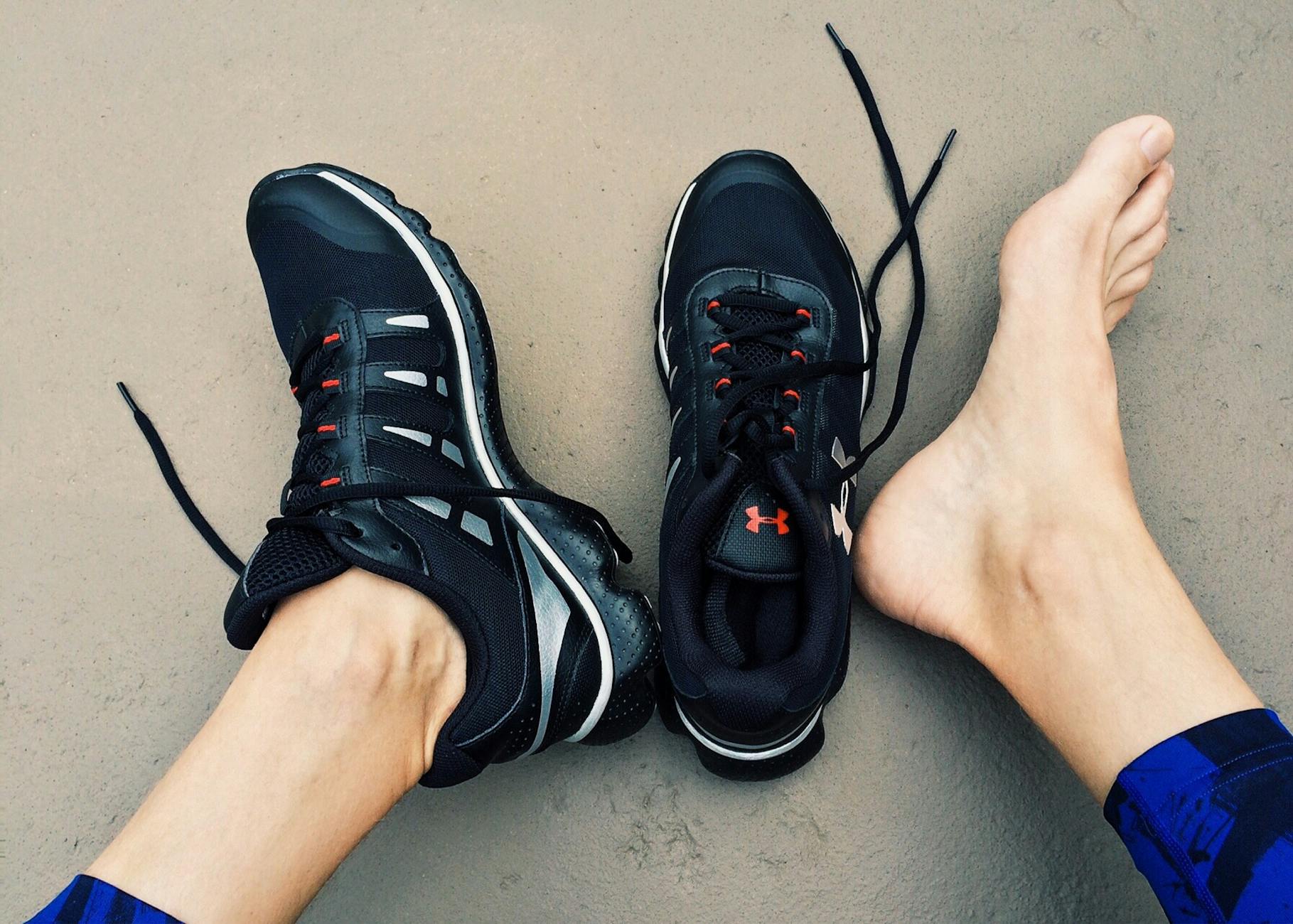
Examining your shoe’s wear pattern provides diagnostic information about both replacement timing and your running mechanics. treadmill running typically produces more uniform wear than outdoor running because you’re not navigating curves, dodging obstacles, or adjusting to varied terrain. Look at the heel counter, the rigid cup that surrounds your heel””if it tilts noticeably inward or outward when viewed from behind, the shoe’s structural integrity has degraded beyond safe use. The outsole wear pattern tells a different story on treadmill shoes than road shoes. While road runners often see heavy wear on outer heel edges and big toe areas, treadmill runners typically show wear concentrated in a more linear pattern from heel to toe.
If you notice dramatically uneven wear despite the treadmill’s flat surface, this indicates a biomechanical issue””possibly overpronation or supination””that warrants attention. Consider a gait analysis before simply replacing with the same shoe model. Upper material breakdown matters more than many runners realize. The mesh and overlays that secure your foot can stretch and lose structure well before midsole cushioning fails. When the upper no longer holds your foot firmly, you compensate unconsciously with altered mechanics, often gripping with your toes or tensing your ankles. A shoe with a compromised upper but decent cushioning can still cause injury through this indirect pathway.
How Treadmill Belt Surfaces Affect Running Shoe Longevity
Treadmill belt quality varies dramatically and directly impacts how quickly your shoes wear. Commercial gym treadmills typically feature multi-ply belts with rubber top surfaces and phenolic or composite decks underneath. These surfaces create moderate friction””enough for secure footing but not aggressively abrasive. Home treadmills, particularly budget models, sometimes use thinner belts that wear unevenly, creating subtle texture variations that increase outsole wear. The deck suspension system matters as much as the belt itself.
High-end treadmills with quality cushioning systems reduce the total impact your shoes must absorb, potentially extending midsole life by 15 to 20 percent compared to running on a stiff, minimally cushioned deck. A runner who trains at a well-equipped gym with Woodway or Life Fitness commercial machines may legitimately push their shoes closer to 500 miles, while someone using an older, worn-out home treadmill might see significant cushioning degradation by 250 miles. Maintaining your treadmill contributes to shoe longevity in unexpected ways. An unlubricated belt creates additional drag that pulls at your outsole material, accelerating wear. Debris accumulation under the belt can cause subtle surface irregularities that stress shoes unevenly. If you own your treadmill, keeping the belt properly lubricated and the deck clean protects both your machine and your footwear investment.
Tracking Mileage on Shoes Dedicated to Treadmill Use
Accurate mileage tracking eliminates guesswork from replacement decisions, but requires consistent effort. Dedicated running apps like Strava, Garmin Connect, and Nike Run Club allow you to assign specific shoes to each workout, automatically accumulating mileage as you log runs. This approach works seamlessly for treadmill sessions””simply select the correct shoes when recording your workout, and the app handles the math. The challenge arises when you use the same shoes for both treadmill and outdoor running. Different surfaces stress shoes differently, making pure mileage an imperfect metric.
A practical solution is designating specific shoes for treadmill use only once they’ve accumulated 150 to 200 miles outdoors. This rotation system extends the useful life of each pair while ensuring you’re always running on adequately cushioned shoes. For runners without tracking apps, physical methods work well. Write the purchase date inside the tongue or heel collar with permanent marker, then estimate your weekly mileage and calculate expected replacement dates. Some runners prefer the “new shoe protocol”””purchasing replacements at 75 percent of expected lifespan (around 300 miles) and rotating them into use, which provides a direct comparison between fresh and worn cushioning.
Why Treadmill Shoes Often Look Newer Than They Are
The disconnect between visual appearance and actual shoe condition catches many treadmill runners off guard. Outdoor running subjects shoes to concrete, asphalt, gravel, and debris that visibly scuffs, tears, and stains the outsole and upper materials. Treadmill belts, by contrast, provide a relatively gentle surface that leaves the outsole pattern intact and the upper pristine even after hundreds of miles. This visual deception leads runners to keep shoes far longer than they should.
Internal degradation proceeds independently of external appearance. Midsole foam cells collapse permanently with each footstrike, regardless of what surface you’re running on. Heel counters lose their rigidity through repetitive flexion. Insoles compress and flatten, reducing their contribution to overall cushioning. A treadmill shoe at 400 miles often looks like it has another year of life while actually providing compromised protection with every step.
How to Prepare
- **Calculate your actual weekly treadmill mileage** by reviewing training logs or estimating based on typical session duration and pace. Many runners underestimate their volume by 20 to 30 percent.
- **Assess your current shoes for wear patterns**, noting any asymmetrical breakdown, outsole wear concentrations, or upper stretching that might indicate mechanical issues requiring a different shoe type.
- **Document any new pains or discomfort** that developed during the current shoe’s lifespan. Shin splints, arch pain, or hip tightness that appeared mid-cycle often indicate the shoe wasn’t ideally suited to your needs.
- **Research current models and updates** to your preferred shoe, as manufacturers frequently change foam compounds, stack heights, and fit characteristics between versions.
- **Budget for potential fitting needs**, including aftermarket insoles or professional fitting services if recurring issues suggest your shoes aren’t matching your biomechanics.
How to Apply This
- **Establish a two-pair minimum rotation** for regular treadmill runners, alternating between pairs on consecutive training days. This allows midsole foam to fully decompress between sessions, extending the useful life of both pairs by approximately 25 percent.
- **Stagger your purchases** so both pairs don’t reach replacement threshold simultaneously. When one pair hits 300 miles, introduce a fresh pair while continuing to use the older shoes for easy sessions.
- **Designate retiring outdoor shoes for treadmill duty** rather than discarding them at 250 to 300 outdoor miles. The gentler treadmill surface allows you to extract another 100 to 150 useful miles while reserving fresh shoes for higher-impact outdoor terrain.
- **Create a calendar reminder** based on your calculated replacement date. If you average 25 miles weekly, set a reminder for 12 weeks after purchasing new shoes to evaluate their condition and begin researching replacements.
Expert Tips
- Rotate at least two pairs of treadmill shoes to allow foam recovery time between runs, which extends usable mileage by 20 to 30 percent.
- Do not use your treadmill shoes for strength training, walking errands, or other activities that add non-running miles without providing the recovery time your foam needs.
- Store treadmill shoes at room temperature away from heat sources; leaving them in a hot car or near heating vents accelerates foam breakdown even when not in use.
- Consider shoes with carbon fiber or nylon plates for treadmill tempo runs, as the plates maintain their energy return properties far longer than foam alone.
- Pay attention to subtle gait changes””if you notice yourself landing harder or adjusting your stride unconsciously, your shoes have likely lost significant cushioning even if they pass visual inspection.
Conclusion
Replacing treadmill running shoes at appropriate intervals protects your joints and muscles from the cumulative damage of running on compromised cushioning. The 300 to 500-mile guideline serves as a framework, but individual factors””body weight, running form, shoe construction, and treadmill quality””ultimately determine when your specific shoes need replacement. Trust the signals your body provides, track your mileage consistently, and recognize that treadmill shoes often deceive with their relatively pristine appearance.
Implementing a rotation system and maintaining awareness of wear patterns prevents the gradual decline that leads to overuse injuries. Your next steps should include calculating your weekly treadmill mileage, assessing your current shoes against the criteria discussed here, and establishing a tracking method that removes guesswork from future replacement decisions. The cost of replacing shoes every 300 to 500 miles is trivial compared to the expense and frustration of treating preventable running injuries.
Frequently Asked Questions
How long does it typically take to see results?
Results vary depending on individual circumstances, but most people begin to see meaningful progress within 4-8 weeks of consistent effort. Patience and persistence are key factors in achieving lasting outcomes.
Is this approach suitable for beginners?
Yes, this approach works well for beginners when implemented gradually. Starting with the fundamentals and building up over time leads to better long-term results than trying to do everything at once.
What are the most common mistakes to avoid?
The most common mistakes include rushing the process, skipping foundational steps, and failing to track progress. Taking a methodical approach and learning from both successes and setbacks leads to better outcomes.
How can I measure my progress effectively?
Set specific, measurable goals at the outset and track relevant metrics regularly. Keep a journal or log to document your journey, and periodically review your progress against your initial objectives.
When should I seek professional help?
Consider consulting a professional if you encounter persistent challenges, need specialized expertise, or want to accelerate your progress. Professional guidance can provide valuable insights and help you avoid costly mistakes.
What resources do you recommend for further learning?
Look for reputable sources in the field, including industry publications, expert blogs, and educational courses. Joining communities of practitioners can also provide valuable peer support and knowledge sharing.