VO2 Max Impact: Long Workout vs Daily Cardio Habit

Neither approach alone is optimal—the evidence clearly shows that combining one to three high-intensity VO2 max sessions per week with consistent daily...

Neither approach alone is optimal—the evidence clearly shows that combining one to three high-intensity VO2 max sessions per week with consistent daily...
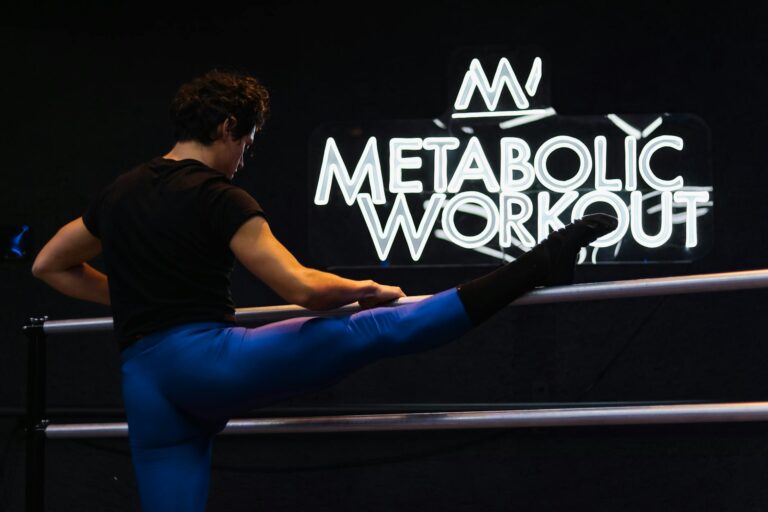
Frequent short workouts generally produce better sustained metabolic benefits than a single long session, though both approaches have merit depending on...
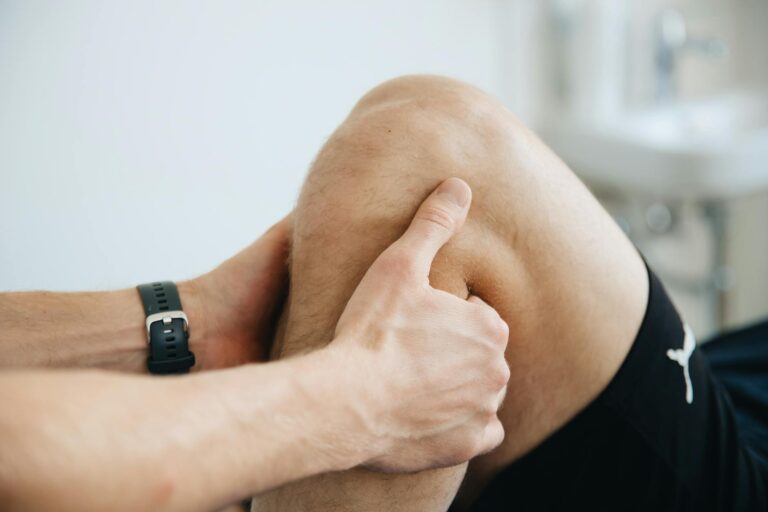
Daily moderate workouts spread throughout the week create significantly lower injury risk than cramming one long workout into a weekend or single session.

The verdict is clear: consistent daily activity beats a single long effort when it comes to protecting your heart.

Running is more effective for weight loss in the short term. A 30-minute run at 10 km/h burns approximately 495 calories, compared to just 135 calories...
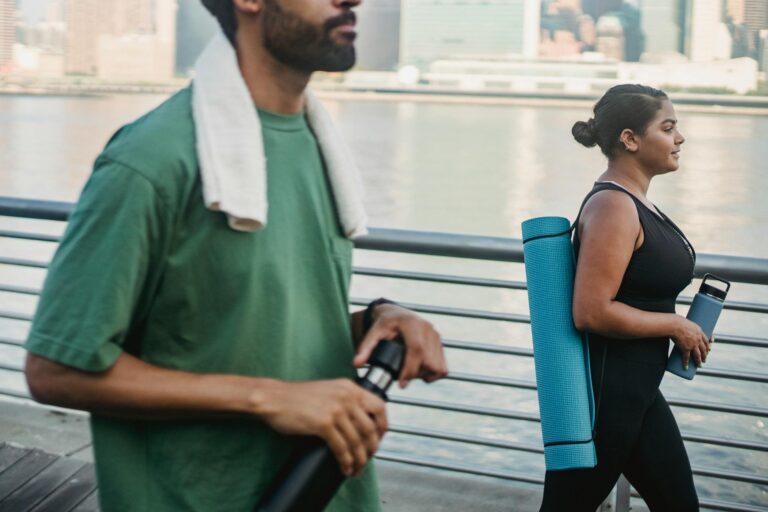
For most adults, a daily walk of around 30 minutes at a moderate pace is widely considered the baseline for meaningful fitness benefits.

The best walking shoe for long distance walks in 2026 is the Brooks Ghost Max 3, which has earned the top overall ranking across multiple independent...

For the average person working at moderate-to-high intensity, it takes approximately 20 to 25 minutes of Zumba to burn 200 calories.
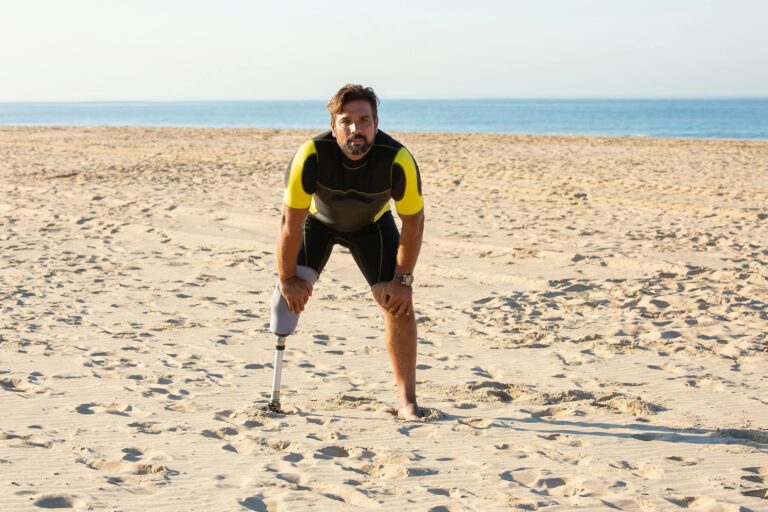
Recovering after a long run comes down to what you do in the first 30 to 60 minutes after you stop moving.

The best running shoes for high weekly mileage combine substantial cushioning, durable outsole rubber, and stable midsole foams that maintain their...