The verdict is clear: consistent daily activity beats a single long effort when it comes to protecting your heart. While one long run or cycling session might feel like a big cardiovascular win, research shows that spreading activity throughout your week—and ideally your day—delivers significantly better results for heart rate, overall health, and longevity. This doesn’t mean long efforts are wasted; rather, it means they work best as part of a pattern of regular movement, not as your only cardiovascular work.
Consider someone who runs 10 miles on Saturday but sits for six days. Compared to someone who runs three miles three times per week plus walks daily, that weekend warrior’s heart health profile looks markedly worse. The runner who spreads activity across the week will have a lower resting heart rate, better blood sugar control, and a substantially lower risk of dying from any cause. The difference isn’t small—it’s the gap between a 30-40% reduction in mortality risk and minimal protection.
Table of Contents
- How Does Consistent Daily Activity Compare to One Long Effort for Heart Rate Adaptation?
- The Vigorous Activity Factor and the 46% Mortality Reduction
- Metabolic Health and Glycemic Control Benefits
- The Daily Movement Question—Is One Workout Enough?
- The Consistency Paradox—Why Skipping Weeks Erases Gains
- One Long Effort—When It Makes Sense
- Building Your Sustainable Pattern for Long-Term Heart Health
- Conclusion
How Does Consistent Daily Activity Compare to One Long Effort for Heart Rate Adaptation?
your resting heart rate is one of the most direct measures of cardiovascular fitness, and consistency is what drives improvement. Regular exercise typically reduces resting heart rate by 5 to 25 beats per minute, with most people noticing results within a few weeks—but only if they maintain consistent patterns. The key word here is “consistent.” Varying your activity level week to week significantly limits these benefits. One long effort followed by five days of inactivity won’t trigger the same physiological adaptations as spreading activity throughout the week. Research shows that short bouts of accumulated exercise (SBAE)—like three 20-minute sessions rather than one 60-minute session—may actually be more effective than single continuous efforts for improving certain markers, particularly glycemic control and body composition. Your heart doesn’t just get stronger from volume; it adapts to regular demands.
When those demands come sporadically, the heart doesn’t get the signal to continuously improve its efficiency. A runner who does three 5-mile runs per week typically develops superior cardiovascular fitness compared to someone doing one 15-mile run weekly, even though total volume is identical. Yoga and endurance training are especially effective at lowering resting heart rate in both men and women. The catch: any break in consistency starts reversing these gains. Skip training for two weeks, and you’ll see your resting heart rate creep back up. This is why weekend warriors often plateau—their hearts never stay under the consistent stimulus needed for sustained improvement.

The Vigorous Activity Factor and the 46% Mortality Reduction
There’s an important distinction that changes the conversation: vigorous-intensity activity is remarkably powerful. People with the highest proportion of vigorous activity have a 46% lower risk of dying from any cause compared to sedentary individuals. This is a stunning figure that shows intensity matters. However, here’s the limitation: most people can’t sustain vigorous intensity for extended periods, and intense efforts need recovery. One long, hard effort weekly might include some vigorous minutes, but you’ll spend much of it at moderate intensity—which is less effective than keeping intensity high. The American Heart Association recommends at least 150 minutes per week of moderate-intensity aerobic activity or 75 minutes of vigorous activity.
Notice the math: 75 minutes of vigorous work provides the same benefit as 150 minutes at moderate intensity. This doesn’t mean you should do all-out sprinting every day—your body needs recovery. But it does mean that one long, moderately-paced effort doesn’t deliver the protective benefit of structured vigorous sessions spread throughout the week. You could do three 25-minute sessions at vigorous intensity weekly and get superior protection compared to one 120-minute moderate run. The warning here is important: jumping straight into vigorous activity without a base of consistent training is how people get injured. The 46% mortality reduction is tied to people who can actually sustain that vigorous intensity—which requires a foundation of consistent aerobic fitness built through regular, moderate activity.
Metabolic Health and Glycemic Control Benefits
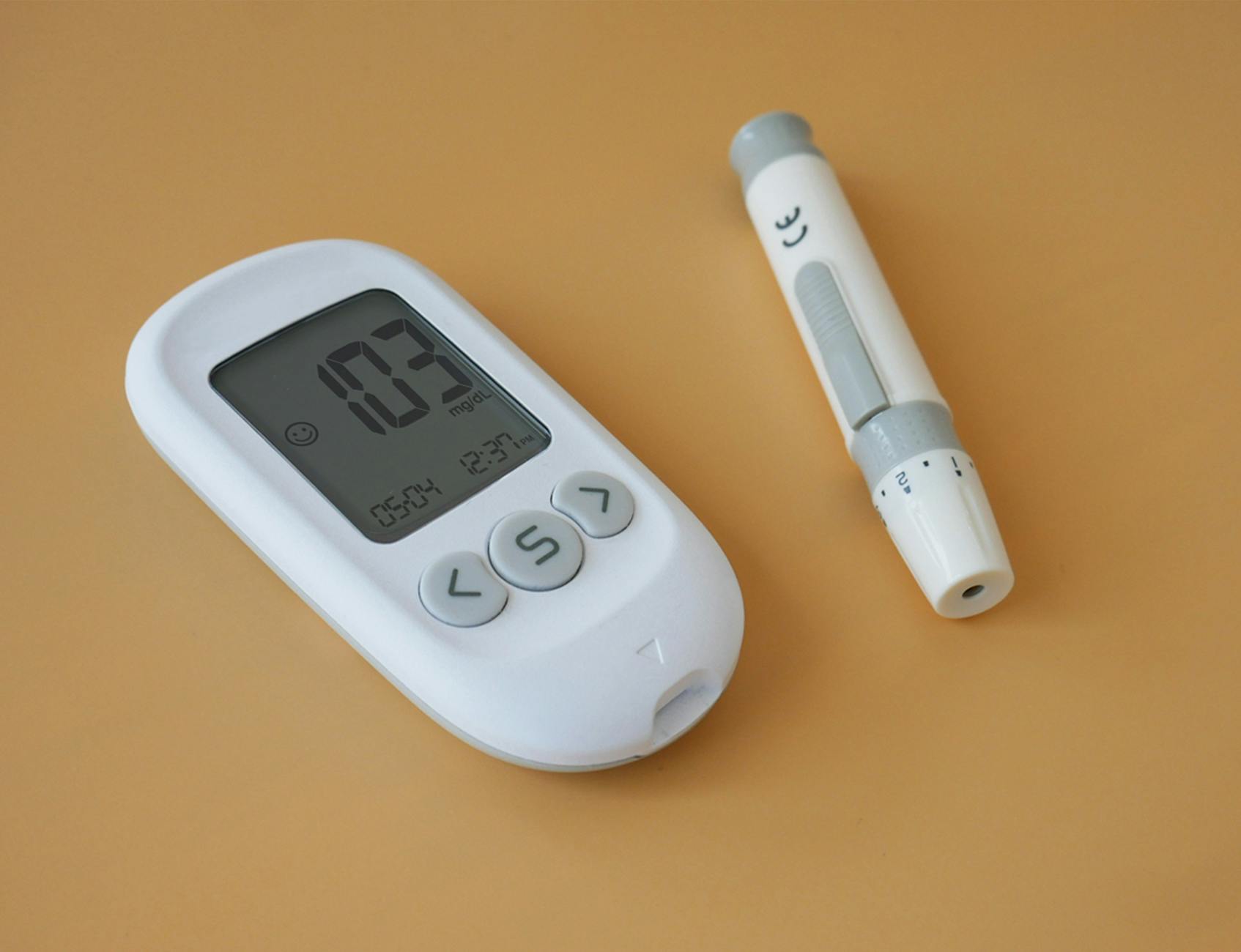
Beyond heart rate, consistent daily activity provides metabolic advantages that a single long effort cannot. Short accumulated bouts of exercise improve over 20 health outcomes including peak oxygen uptake, resting blood pressure, and metabolic health when used as a long-term intervention. This 20+ marker improvement includes better glucose control, lower inflammation, improved cholesterol profiles, and better weight management. one long run won’t move these needles the way consistent activity does. The glycemic control finding is particularly interesting for runners focused on carbohydrate fueling and energy systems. Research shows that multiple short bouts of exercise throughout the day are superior to a single continuous session for improving how your body handles blood sugar.
This has real implications: if you do one long run on Sunday, your blood sugar management returns to baseline by Monday. If you do 30 minutes of activity six days a week, you maintain elevated insulin sensitivity all week long. The cumulative effect on your metabolic health is substantially larger. A practical example: two runners, both doing 5 hours of weekly exercise. One does a single 5-hour ride on Saturday. The other does five 1-hour sessions Monday through Friday. The second runner will likely have better resting blood pressure, lower fasting glucose, improved lipid profiles, and better weight management—even though total volume is identical.
The Daily Movement Question—Is One Workout Enough?
Here’s a hard truth that exercise science has confirmed: one workout cannot compensate for sedentary behavior throughout the rest of your day. A person who runs 10 miles on Saturday and sits in a car or office chair the other six days gets nowhere near the cardiovascular protection of someone who runs three times weekly and also walks or moves regularly on off-days. This is why researchers increasingly distinguish between “exercise” (structured training) and “daily movement” (general physical activity). Your heart needs both. Consistent physical activity in adulthood is linked to a 30-40% lower risk of death from any cause in later life. That’s a massive protective effect.
But here’s the tradeoff: it comes from the total pattern of activity, not from heroic single efforts. You could spend 10 hours training hard for one ultra-marathon event, or you could spend those 10 hours across 52 weeks as part of a sustainable weekly routine. The second approach delivers better mortality outcomes, better heart health, better joint health, and better sustainability. The practical implication: if your only activity is weekend training, you’re leaving most of the health benefit on the table. Adding even 15 minutes of daily walking on non-training days dramatically improves your outcomes. This doesn’t mean you need structured exercise every day—just consistent movement.
The Consistency Paradox—Why Skipping Weeks Erases Gains
One of the most overlooked factors in cardiovascular training is what happens during breaks. Skipping training for even two weeks begins reversing your fitness gains. Your resting heart rate starts climbing. Your aerobic capacity begins dropping. The adaptations your heart made are lost without the continued signal to maintain them. This creates a hard ceiling for people who train sporadically.
Consider the difference between a runner with a 52-week pattern (running consistently year-round) versus someone who trains hard for 8 weeks, takes 2 weeks completely off, trains hard for another 8 weeks, and cycles. Even if the second person hits the same total volume, their cardiovascular baseline stays elevated during off periods. Their resting heart rate likely never drops to its potential. Their peak fitness returns to pre-training levels between cycles. The runner with consistent, year-round activity—even at lower volume—gets better cardiac adaptations because they never break the stimulus. The warning here is critical: if your training pattern varies significantly week-to-week or includes extended breaks, you’re sabotaging your own progress. Consistency beats intensity for cardiovascular health.

One Long Effort—When It Makes Sense
This isn’t a case against long efforts. They serve important purposes. One long run or ride builds mental toughness, tests your systems under extended stress, and can be genuinely enjoyable. For runners, a weekly long run is actually a smart component of training—but only when it sits within a pattern of regular shorter runs throughout the week.
The issue isn’t the long effort itself; it’s when the long effort becomes your only significant activity. A runner who does a 12-mile long run on Saturday, plus three 5-mile runs during the week, plus daily walking, gets the best of everything: the mental win and specific adaptations from the long run, plus the cardiovascular consistency that comes from regular shorter sessions. That’s the optimal pattern. The 12-mile run in that context is the jewel atop a foundation of consistency.
Building Your Sustainable Pattern for Long-Term Heart Health
The future of cardiovascular training isn’t about finding the perfect long effort—it’s about normalizing consistent, lifetime activity. Elite heart health studies now show that people who maintain regular activity across their entire adult lifespan show 30-40% mortality reductions. The people who achieve this aren’t necessarily training hard; they’re training consistently. A 50-year-old runner doing three 5-mile runs per week and walking most days has a stronger heart than a 50-year-old doing one 20-mile run monthly.
Modern wearables make consistency trackable in ways that weren’t possible a decade ago. You can see your resting heart rate trend upward and downward based on weekly patterns. You can notice the exact week you skipped training and see the adaptation loss. This data is empowering because it shows you, objectively, what works. The numbers don’t lie: consistency wins.
Conclusion
One long effort feels significant because it is—for mental toughness, for training specificity, and for the immediate cardiovascular stress. But the research is definitive: consistent daily activity paired with regular exercise delivers superior heart health, lower mortality risk, and better metabolic function compared to sporadic high-volume efforts. Your heart adapts to patterns, not individual workouts. The 46% mortality reduction from vigorous activity, the 30-40% reduction from consistent physical activity, and the improvements across 20+ health markers all point to the same conclusion: regular beats rare.
Start by building a sustainable weekly pattern that includes regular movement most days, structured exercise at least three times per week, and at least one longer effort if you enjoy it. Track your resting heart rate—if it’s not dropping within a few weeks, your consistency needs adjustment. Stop chasing one perfect effort and start building a lifetime of regular activity. That’s where real heart health comes from.