How the Apple Watch Workout App Tracks Cardio Effort
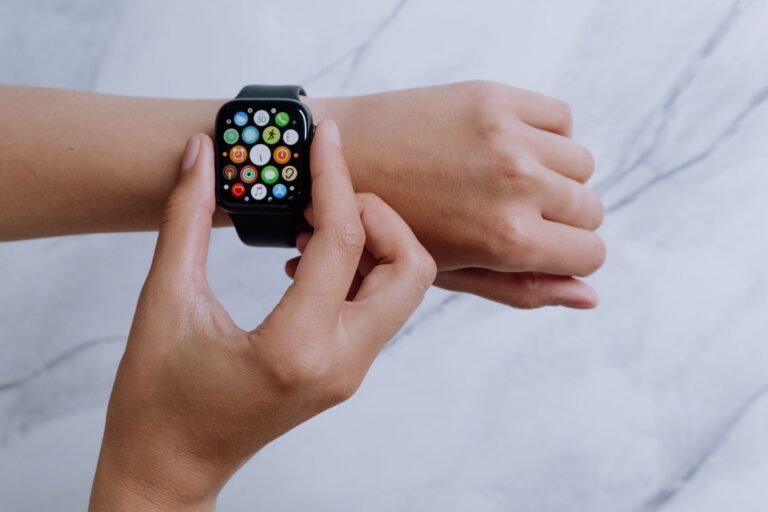
The Apple Watch Workout app tracks cardio effort primarily through heart rate data combined with your personal fitness profile, movement data from the...

The Apple Watch Workout app tracks cardio effort primarily through heart rate data combined with your personal fitness profile, movement data from the...

Wearables now measure cardio load and recovery primarily through heart rate variability (HRV), a sophisticated biomarker that tracks how the nervous...

The Cardio Load whitepaper, grounded in research from Google Health and supported by cardiovascular studies, reveals a fundamental truth about training...

The American College of Sports Medicine (ACSM) has fundamentally shaped how cardiologists, fitness professionals, and runners approach cardiovascular...

The American Heart Association recommends 150 minutes of moderate-intensity cardiovascular exercise per week because this volume of activity produces...

The CDC recommends both cardiovascular exercise and strength training because they address different aspects of physical fitness and work together to...

Exercise snacks—short bursts of intense activity lasting just one to five minutes—add up to measurable cardiovascular gains that rival traditional...

Cardio intensity is essential for a strong heart because it forces the cardiovascular system to adapt and become more efficient.

Intensity minutes—periods of elevated heart rate exercise—strengthen your cardiovascular system by forcing your heart and blood vessels to adapt and...

A steady-state cardio ride on an exercise bike means maintaining a consistent, moderate intensity for an extended period—typically 20 to 60 minutes—at a...