How to Measure Cardio Fitness as You Age

Measuring cardiovascular fitness as you age requires tracking how efficiently your heart, lungs, and muscles work together during physical activity.

Measuring cardiovascular fitness as you age requires tracking how efficiently your heart, lungs, and muscles work together during physical activity.

As we age, the cardiovascular system undergoes significant physiological changes that affect how our hearts work, how efficiently blood circulates, and...

Your aerobic capacity declines by roughly 3 to 8 percent per decade after age 30, even if you maintain consistent training.

Yes, cardio training is not only possible after 80 but actively beneficial for extending lifespan, improving heart health, and maintaining functional...
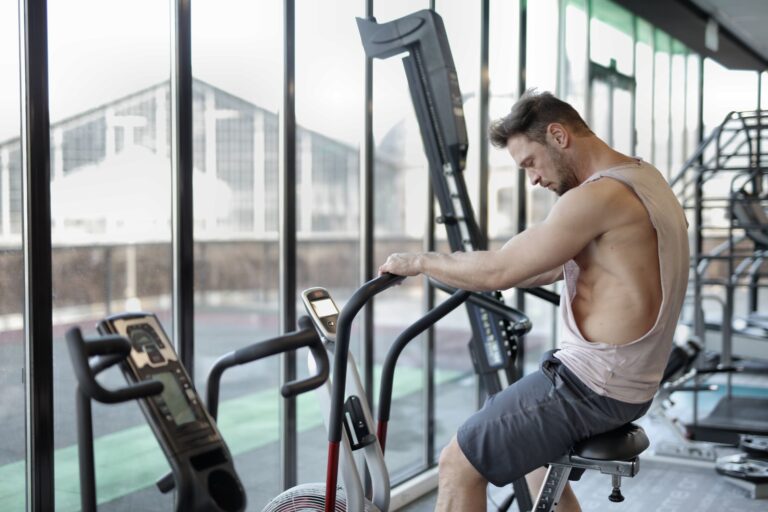
Cardio workouts for people over 70 are not only possible—they're essential for maintaining independence, heart health, and quality of life.
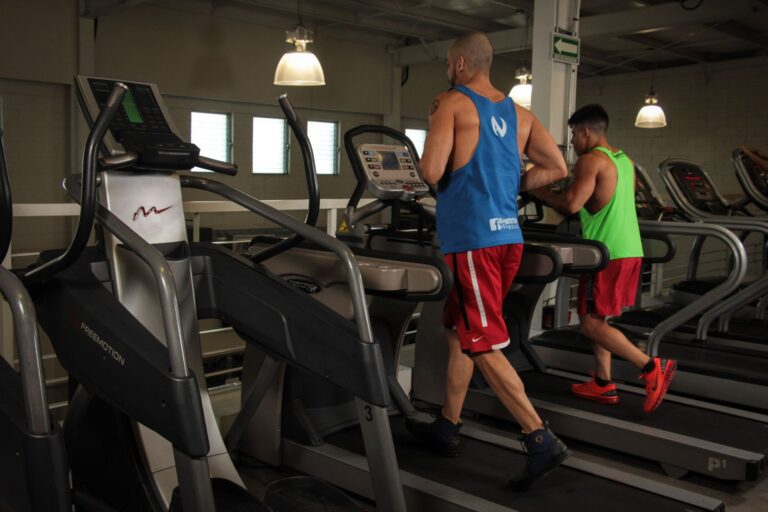
Building cardio stamina after 60 is absolutely possible, though it requires a different approach than what worked in your 30s and 40s.

Short cardio sessions—workouts lasting 10 to 30 minutes—deliver measurable cardiovascular benefits for aging hearts without requiring the time commitment...

Cardio exercises improve endurance in older adults by systematically strengthening the heart and lungs, allowing them to sustain physical activity for...
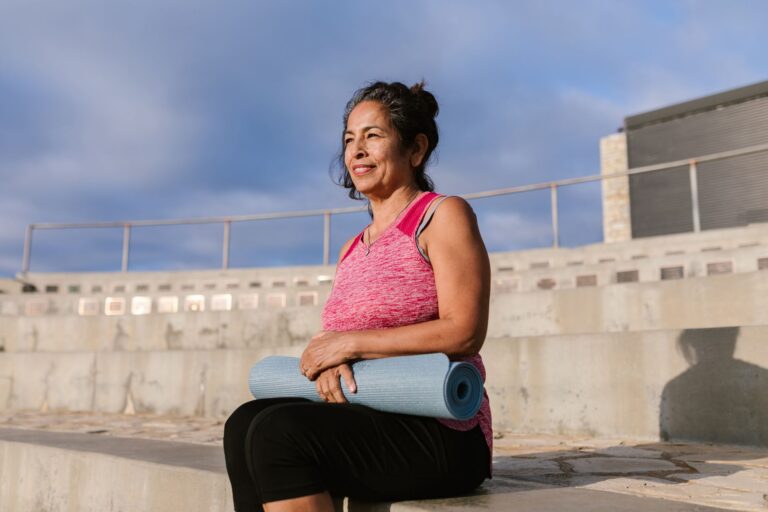
Low-stress cardio is an effective, safe approach to maintaining cardiovascular health for aging bodies.

Gentle cardio exercises are safe, effective ways for people over 65 to build cardiovascular strength without the injury risk of high-impact activities.