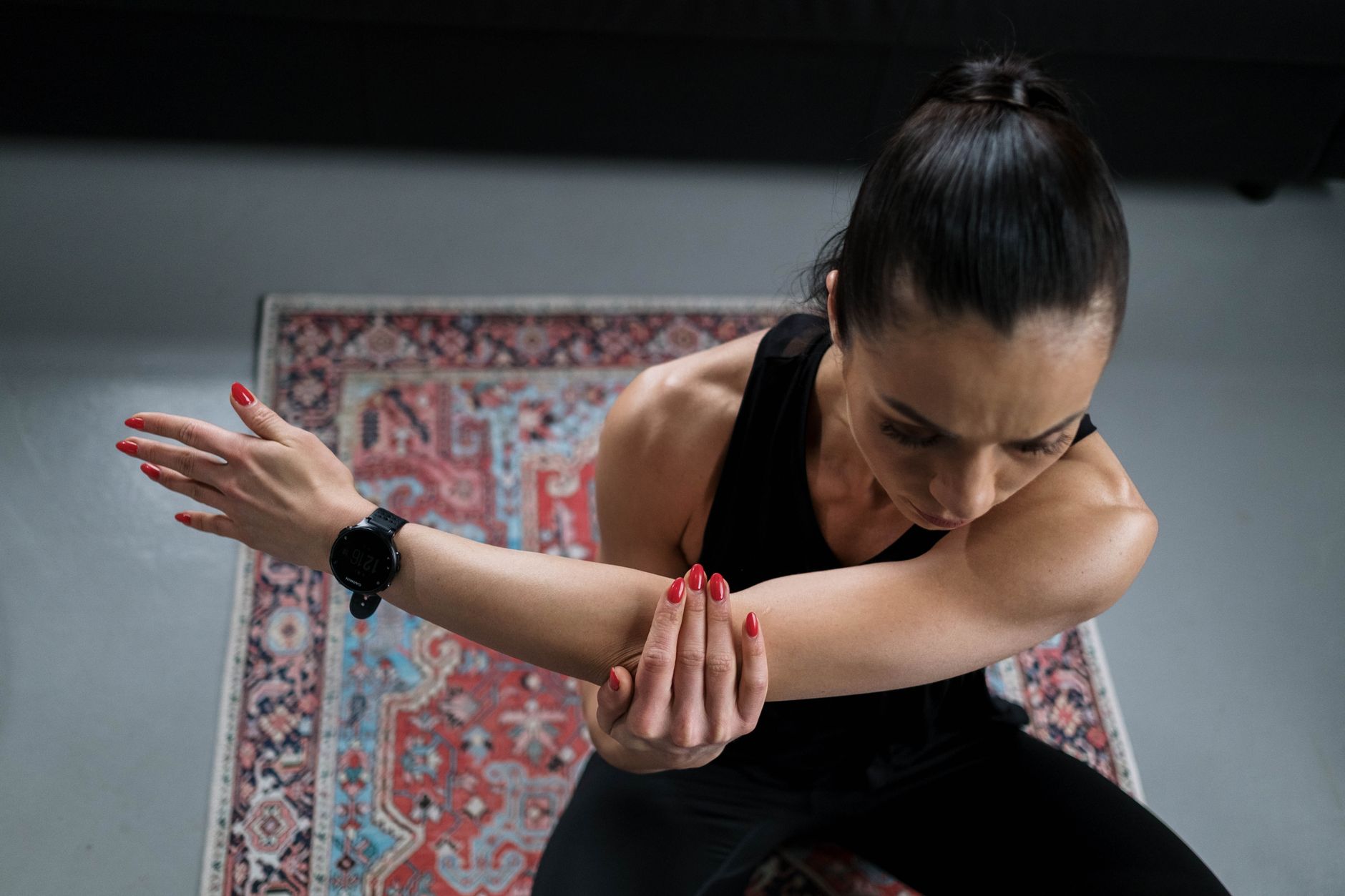
Yes for trends, no for exact numbers. VO2 Max, the most oxygen your body can use in hard exercise, is estimated by the Forerunner but not measured like in a lab. That gap matters when you judge fitness or set paces. Watch the line over weeks rather than any single score.
Medical information disclaimer: This article is for general educational purposes only and does not provide medical advice, diagnosis, or treatment. Always consult a physician or other qualified health professional about symptoms, medications, tests, or treatment decisions.
Table of Contents
- How the Forerunner builds the number
- How close is it to lab tests?
- Why your reading shifts
- How to get a steadier trend
How the Forerunner builds the number
Your watch does not sample oxygen. RunRacePlanner explains it feeds heart rate, GPS speed or cycling power, age, sex, weight and maximum heart rate into a model trained on lab data, with Garmin using Firstbeat Analytics. Garmin states in its Forerunner 255 manual that you get separate running and cycling scores only with wrist or chest heart-rate data.
You need an outdoor GPS run or a ride with a power meter at moderate effort for several minutes. For a running score, fill in profile and maximum heart rate, then run outside at 70% or more of maximum for at least 10 minutes. Garmin notes the score can look off until the watch learns over a few runs.
How close is it to lab tests?
Pooling gives the big picture. RunRacePlanner reports in its accuracy review that the INTERLIVE network's 2022 pooling of 14 studies found exercise-based wearables averaged just 0.09 low. Individual errors still spanned about plus or minus 10. Rest-based scores were worse, averaging 2.17 high with a wide spread.
Forerunner tests fit that pattern. In 20 half-marathon trainees, the Forerunner 265 read 43.95 against 41.10 lab before training and 45.00 against 42.43 after. It stayed under the 10% consumer error threshold yet predicted 129.97 minutes against an actual 137.55. A 2025 Engel test summarized by the5krunner found the Forerunner 245 low by about 4-5 points overall and 6.3 in highly trained runners. Mean error was 7.2-7.9%, rising to 9.4-10.4% in the fitter group.
Why your reading shifts
Small inputs move the score. Garmin lists correct profile data, maximum heart rate, snug wrist fit, clean GPS pace and strain from heat, illness or fatigue as drivers. A loose strap on intervals or a hot hilly run can lift heart rate at the same pace and drop the estimate.
Trail and ultra runs add more noise. Garmin allows excluding those runs from VO2 Max recording. Use that switch when footing, climb or walk breaks break the speed-heart-rate link.
How to get a steadier trend
Treat the number as a trend tool. DexaScans reviewers advise in its watch accuracy guide that true VO2 Max needs graded exercise to exhaustion with a gas mask.
Use the watch for weeks-long trends and a lab test when an exact number guides training or care. Repeat the key run every few weeks in similar conditions. Compare the four-week direction, not day-to-day jumps, and drop a hot, sick or tired outlier before you change training.
- Fill in age, sex, weight and a real maximum heart rate.
- Wear the watch snug or use a chest strap.
- Run outside on flat, fast ground at strong effort for 10-plus minutes.
- Exclude trail or ultra runs from the score.