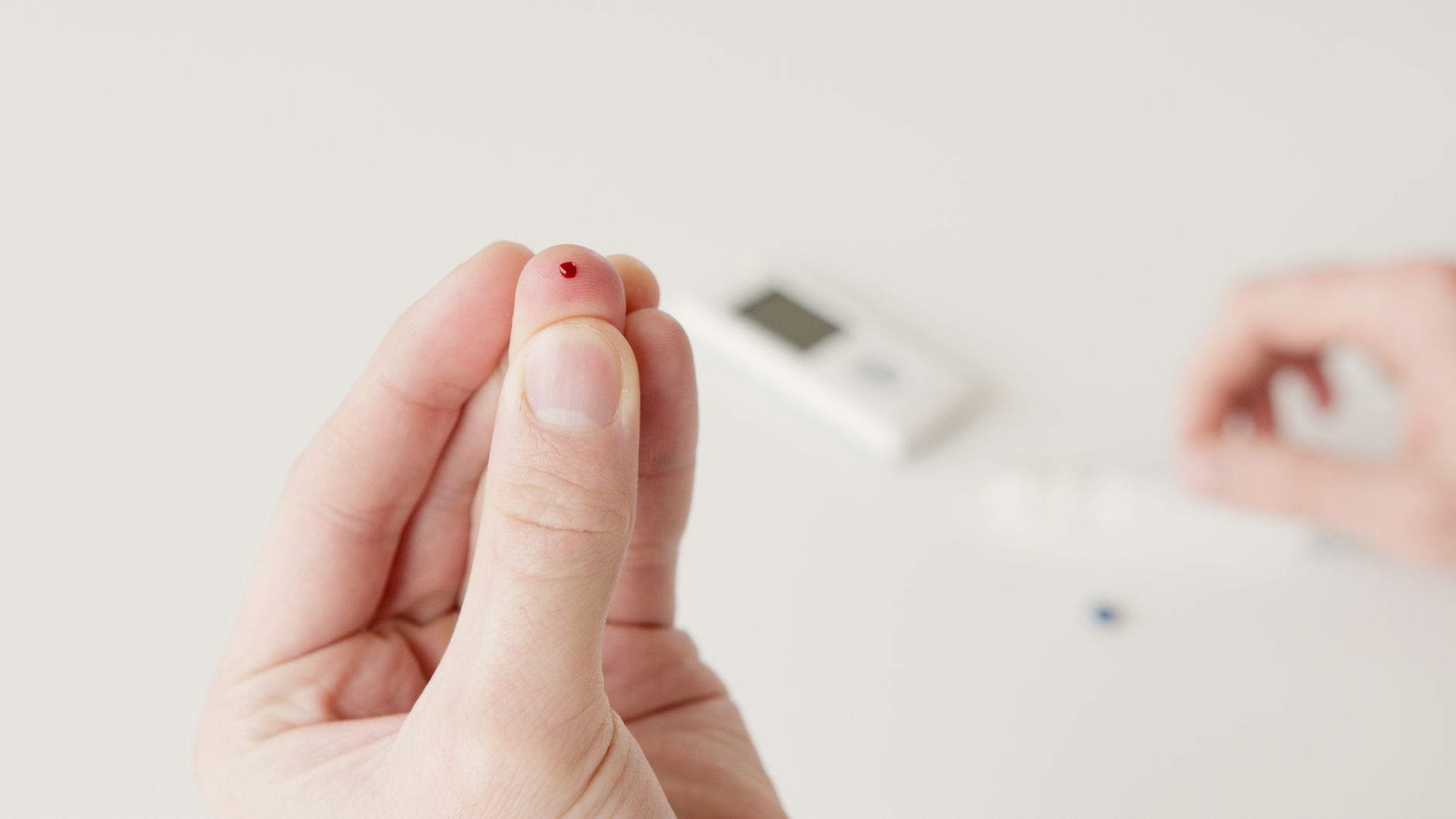
Blood tests for runners often focus on three panels: ferritin, which measures stored iron, vitamin B12 for red blood cell formation, and vitamin D for bone and muscle support. Together they help explain lasting fatigue, guide fueling choices, and catch shortfalls before training suffers.
A low store does not always mean anemia yet. Low ferritin can progress to anemia with fatigue, dizziness, or shortness of breath. B12 and vitamin D add separate checks on blood cells, nerves, and seasonal status.
Medical information disclaimer: This article is for general educational purposes only and does not provide medical advice, diagnosis, or treatment. Always consult a physician or other qualified health professional about symptoms, medications, tests, or treatment decisions.
Table of Contents
- What ferritin shows that serum iron misses
- When runners should test iron
- How B12 links to fatigue and numbness
- What your vitamin D result means
- How to avoid a misleading ferritin result
What ferritin shows that serum iron misses
Ferritin reflects iron held in reserve for future red blood cells. Serum iron shows only iron moving in blood at that moment. Labcorp OnDemand explains this stored-versus-circulating difference on its Labcorp OnDemand ferritin test page.
That distinction matters for runners because stores can fall while daily iron looks normal. Falling stores warn of developing deficiency. Catching that slide allows food, training-load, and medical follow-up before anemia develops.
When runners should test iron
Runners lose more iron through foot-strike hemolysis, sweat, gastrointestinal losses, menstruation, and low energy availability. Guidance reported from the European Journal of Applied Physiology advises testing twice per year. It advises quarterly testing with prior depletion, a vegan diet, or heavy training.
A Missouri endurance-athlete position statement advises starting cross-country and track season at 40-50 ng/mL to stay above 30 ng/mL at championships. It cites serum ferritin below 30 ng/mL as the most sensitive and specific test for iron deficiency. Use that seasonal plan to time an early check, then recheck near peak racing.
- Test at preseason baseline, even when feeling strong
- Recheck midseason during high mileage or frequent racing
- Test sooner with heavy periods, vegan eating, prior low iron, or fading workouts
How B12 links to fatigue and numbness
Vitamin B12 supports red blood cell formation, DNA synthesis, and normal nervous-system function. Deficiency can cause megaloblastic anemia with fatigue and weakness. It can also cause numbness, balance problems, and cognitive changes. The NIH Office of Dietary Supplements describes those blood, nerve, and thinking effects in its NIH B12 health professional fact sheet.
Initial testing uses total serum B12. Below 180 pg/mL supports diagnosis, while 180-350 pg/mL with symptoms or risk factors calls for confirmatory methylmalonic acid testing. Vegans and vegetarians who avoid meat face higher risk because natural food B12 comes from animal foods. Fortified foods or supplements substantially reduce that risk. A runner eating little or no animal food should review fortified intake and supplement use before testing.
What your vitamin D result means
Vitamin D status is measured as serum 25-hydroxyvitamin D. The NIH Office of Dietary Supplements, using Institute of Medicine review levels, lists deficiency risk below 30 nmol/L, equal to 12 ng/mL, in its NIH vitamin D fact sheet. It lists potential inadequacy at 30-50 nmol/L and sufficiency at or above 50 nmol/L. Athletes often use higher sport targets.
A 2021 athletes review recommends regular checks and a target above 32 ng/mL, preferably above 40 ng/mL. The reason is practical: deficiency impairs muscle function, bone health, and immunity and raises stress-injury risk. Indoor winter training, low sun exposure, and history of stress reactions make testing more useful. Compare the lab units on your report before judging the number. A result in nmol/L is not read the same as a result in ng/mL.
How to avoid a misleading ferritin result
Ferritin rises with infection or inflammation because it is an acute-phase reactant. A cold, recent illness, hard race, or sore joint can lift the number. WHO guidance therefore recommends measuring CRP and alpha-1-acid glycoprotein alongside ferritin.
Test when healthy rather than sick or just after a marathon effort. Do not supplement blindly based on one number. Test first and recheck seasonally, then bring prior results to each recheck so small trends show before symptoms return.