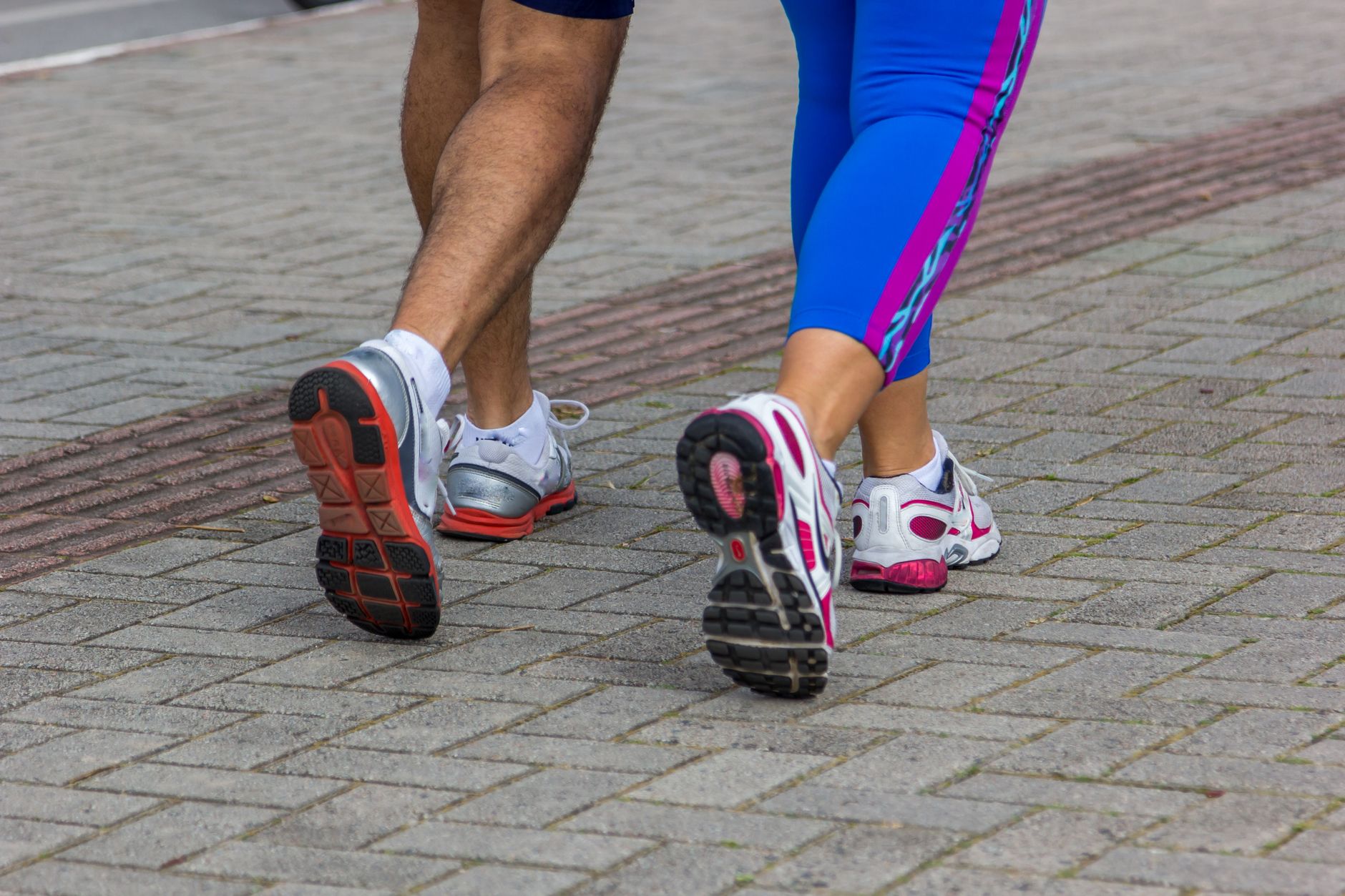
For November weight-loss training on wet trails, the strongest picks are the Salomon Speedcross 6 GORE-TEX and Arc'teryx Norvan 4 Nivalis. Two more solid choices are the Saucony Peregrine GTX and Brooks Cascadia GTX. A trail-running shoe means a shoe with deep lugs for grip and an upper that blocks mud and water.
November brings short days, slush, and soft ground. Traction and dry feet matter more than speed. According to the CDC, adults need at least 150 minutes of moderate activity each week CDC activity guidance. The CDC also counts jogging and running as qualifying activity.
Medical information disclaimer: This article is for general educational purposes only and does not provide medical advice, diagnosis, or treatment. Always consult a physician or other qualified health professional about symptoms, medications, tests, or treatment decisions.
Table of Contents
- Which shoes handle November mud and slush?
- How much running supports weight loss?
- How do you stay warm without overheating?
- How do you adjust for dark mornings and slick footing?
Which shoes handle November mud and slush?
According to Salomon, the Speedcross 6 GORE-TEX is a trail-running shoe with a waterproof-breathable Gore-Tex membrane and a grippy outsole that sheds mud fast Salomon trail shoe details. Canadian Running Magazine identifies the Arc'teryx Norvan 4 Nivalis as a fully weatherproof shoe for late-fall and winter mountain running in slush and mud 2025-2026 winter shoe guide.
Saucony describes the Peregrine GTX as a neutral-cushioned trail shoe with lightweight waterproof protection that keeps feet dry without losing comfort. Brooks states its Cascadia GTX uses waterproof GORE-TEX technology for wet and muddy technical terrain.
How much running supports weight loss?
The CDC says weight loss and maintenance take high activity unless food calories drop. Start from the weekly base, then add one extra easy run before adding speed. Keep most miles easy enough to repeat the next day.
November training works best in repeatable blocks. Build three to four trail runs per week. Add 5 to 10 minutes to one run each week. Keep food intake steady so added miles create the gap.
How do you stay warm without overheating?
University of Minnesota kinesiologist Christopher Lundstrom advises cold-weather running is safe for most runners with proper clothing. Exercise heat helps maintain body temperature, while hypothermia and frostbite remain the main risks.
The University of Kansas Health System recommends high-quality shoes plus hat, gloves, and face mask in extreme cold. Dress for the second mile, not the first block.
- Cover head, hands, and face in extreme cold
- Wear layers you can vent as you warm up
- Change out of damp clothes right after the run
How do you adjust for dark mornings and slick footing?
The University of Kansas Health System warns cold stiffens rubber soles, so runners should wear high-quality shoes and adjust pace and footing for winter. Findarace warns dark November mornings raise road risk and advises reflective panels, bright layers, and a small red light or head torch winter-running visibility guide.
Shorten your stride on frost, leaves, and mud. Pick lit routes and turn on your light before you leave the driveway.