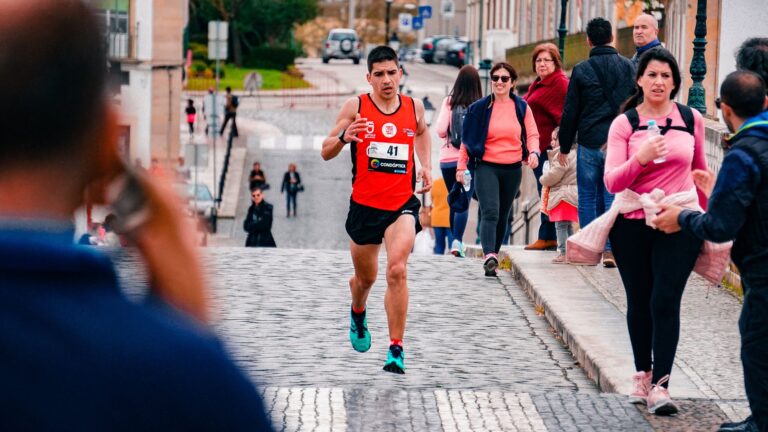
Hidden marathon races exist in remote mountain valleys, coastal regions, and rural backcountry areas where fewer runners compete compared to major urban events. These courses often deliver challenging elevation profiles and stunning natural scenery precisely because they’re located away from population centers.
The Hardrock 100 in Colorado, while not a traditional marathon distance, exemplifies this pattern—an ultramarathon with 33,000 feet of elevation gain through San Juan Mountains terrain that remains far less crowded than Boston or New York despite its difficulty. The appeal of these lesser-known races centers on two factors: they preserve the meditative quality of distance running without massive crowds, and their terrain demands force racers to engage with the landscape rather than chase fast times. Most hidden marathons share steeper gradients, more technical footing, or higher altitudes than mainstream events, making them attractive to experienced runners seeking real challenge rather than a recreational participation medal.
Table of Contents
- WHAT MAKES A MARATHON “HIDDEN” VERSUS MAINSTREAM?
- ELEVATION AND TERRAIN—THE DEFINING CHARACTERISTICS
- SCENIC REWARDS AND NATURE IMMERSION
- PREPARING FOR HIDDEN MARATHONS—TRAINING DIFFERENCES
- NAVIGATION, WEATHER, AND SELF-SUFFICIENCY RISKS
- THE COMMUNITY ASPECT OF SMALL-FIELD RACING
- FINDING AND SELECTING HIDDEN MARATHONS
- Frequently Asked Questions
WHAT MAKES A MARATHON “HIDDEN” VERSUS MAINSTREAM?
A hidden marathon typically falls outside the major race circuit—it won’t have major corporate sponsorship, isn’t held in a large city, and often has entry fields under 1,000 runners. These races exist in mountain towns, rural communities, or along lesser-known trail systems where the infrastructure to host thousands simply doesn’t exist. The difference between a hidden race and a mainstream marathon extends beyond size to philosophy: organizers design hidden marathons around the landscape rather than adapting the landscape to the race.
Trail-based marathons represent the most common hidden category. Unlike road marathons that follow city streets, trail marathons use single-track paths, dirt roads, and natural terrain that require careful footwork and fitness adapted to uneven surfaces. The Wonderland Trail Marathon in Washington circles Mount Rainier at elevation, featuring sections of rocky scree, mud, and stream crossings that wouldn’t appear in any urban event. Entry fields typically run 200 to 400 runners compared to 50,000 for major city marathons.
ELEVATION AND TERRAIN—THE DEFINING CHARACTERISTICS
Most hidden marathons feature significantly more elevation change than their road-race counterparts. While a typical road marathon might have 500 feet of cumulative elevation gain, many hidden races contain 3,000 to 8,000 feet of climbing. This transforms the challenge from pure aerobic capacity into a test of power hiking, leg strength, and mental resilience. The course design often means runners spend substantial time walking rather than running, which shifts pacing strategy entirely.
A critical limitation runners must understand: high-elevation hidden marathons can trigger altitude sickness, unexpected weather changes, and navigational challenges. The Bighorn Trail 100K, held on exposed ridgelines above 10,000 feet in California, regularly sees runners dealing with lightning storms, rapid temperature drops, and hypothermia risk even in summer months. The remote location means medical support is limited—runners must be self-sufficient. Many hidden marathons require runners to carry their own water, navigation tools, and emergency supplies, a responsibility that road marathons don’t demand.
SCENIC REWARDS AND NATURE IMMERSION
The landscapes surrounding hidden marathons justify the added physical demand. Races through alpine meadows, along coastlines, across desert plateaus, or through old-growth forests offer visual experiences that urban marathons cannot replicate. The Kodiak Island Marathon in Alaska follows coastal trails with views of glaciers, wildlife, and tidal zones. Runners frequently encounter bears, moose, eagles, and marine mammals—elements that transform the run into something closer to expedition than competition.
This immersion into natural systems also introduces seasonal variability that road races eliminate. A hidden marathon might face wildfire smoke, bear activity peaks, or snow fields depending on timing. The race director cannot control these variables, making each year’s experience genuinely different. Runners who complete the same hidden marathon in consecutive years report entirely different conditions, technical challenges, and pacing needs.
PREPARING FOR HIDDEN MARATHONS—TRAINING DIFFERENCES
Training for a hidden marathon requires different emphasis than road marathon preparation. Rather than building weekly mileage on predictable terrain, preparation should focus on hill repeats, uneven terrain strength work, and moving fast over technical ground. Core stability and ankle proprioception become as important as VO2 max capacity. A runner who runs 50 miles per week on roads might need to supplement that with hiking, trail running, or gym work specifically targeting stabilizer muscles.
The logistics of preparation also differ significantly. Road marathons allow runners to practice their race-day pace during training runs; trail marathons do not. Most runners finish hidden marathons substantially slower than their road marathon pace because the terrain doesn’t permit consistent speed. A runner capable of running a sub-4-hour road marathon might need 5.5 to 6.5 hours for a similar-distance hidden race with 4,000 feet of elevation. Understanding this difference prevents pacing mistakes that lead to cramping, bonking, or DNF (did not finish) status.
NAVIGATION, WEATHER, AND SELF-SUFFICIENCY RISKS
Hidden marathons frequently require self-navigation rather than relying on marked streets and police enforcement of closed courses. Runners must read race maps, follow cairns or blazes, and make decisions when the marked course isn’t obvious. The Cloudsplitter Marathon in the High Peaks of upstate New York features sections where trail markings disappear, requiring runners to navigate by map and compass or GPS. A runner who gets off-course doesn’t find road signs; they find themselves traveling uphill on an unfamiliar trail.
Weather on exposed terrain presents genuine hazard. Hidden marathons held at elevation or in mountain passes can experience temperature swings of 40 degrees Fahrenheit within hours, sudden thunderstorms that create lightning danger, or wind speeds that make progress difficult. Runners must carry rain gear, emergency supplies, and appropriate clothing for conditions substantially different from starting conditions. Hypothermia risk exists even in summer races if runners get wet and wind speed increases. This necessitates conservative pacing and a willingness to stop and seek shelter if conditions deteriorate.
THE COMMUNITY ASPECT OF SMALL-FIELD RACING
Smaller race fields create different social dynamics than major marathons. Runners frequently encounter the same competitors multiple times throughout the race on an out-and-back course or a looped trail. Aid stations at hidden marathons typically feature race volunteers who remember runners by name or appearance, create a celebratory atmosphere, and often provide home-cooked food rather than standardized sports nutrition.
The Swallow Cliff Marathon in Illinois, held on rolling terrain through forest preserves, has aid station volunteers handing out homemade brownies and soup rather than energy drinks. This community-oriented approach sometimes extends to the race itself being smaller and more flexible. Hidden marathons occasionally allow pacers, running partners, or adjusted start times for slower runners because the infrastructure isn’t constrained by timing chips and synchronized starts. Runners often finish well after sunset without pressure, with volunteers waiting to cheer them across the line.
FINDING AND SELECTING HIDDEN MARATHONS
Hidden marathons don’t advertise through major running websites or popular race registration platforms. Discovery typically occurs through regional running clubs, trail-running forums, local tourism boards, or word-of-mouth within ultramarathon communities. The best hidden marathons often have limited registration because the area can only accommodate a certain number of runners without environmental impact. Popular hidden races fill months in advance, requiring runners to commit to an event before knowing weather or training readiness.
Vetting a hidden marathon requires different criteria than evaluating a mainstream event. Runners should research whether aid stations carry adequate supplies for the distance, what emergency evacuation looks like from the most remote section, and whether the course stays relatively safe during the time window for finishing. A genuinely well-organized hidden marathon proves through consistent race reports and volunteer reviews, not through marketing budget. The lack of corporate sponsorship often indicates serious community-based organization rather than profit-driven event management.
Frequently Asked Questions
Do hidden marathons require trail running experience?
Yes, most hidden marathons require runners to have completed trail races or training runs on uneven terrain. A runner who has only completed road marathons should expect significant struggle with technical footing and elevation.
Can I bring a support crew to a hidden marathon?
Support crew accessibility varies dramatically. Some hidden marathons allow personal crews at road-accessible aid stations; others ban crews entirely because the terrain prevents vehicle access. Always check the specific race rules before entering.
What’s the typical entry fee for a hidden marathon?
Entry fees range from $50 to $200 depending on organization, course distance, and aid station provisions. Hidden marathons typically cost less than major city marathons because they lack corporate sponsorship and operate on smaller budgets.
How do hidden marathons handle time cutoffs?
Most hidden marathons have generous time limits (8 to 10 hours) because terrain doesn’t permit competitive pacing. Some hidden marathons don’t enforce strict cutoffs, instead asking slower runners to accept potential evacuation if they won’t finish before darkness.
Should I wear trail shoes or road shoes for a hidden marathon?
Trail shoes are necessary. Road shoes lack ankle support and traction for technical terrain, leading to high injury risk on uneven surfaces and exposed roots.