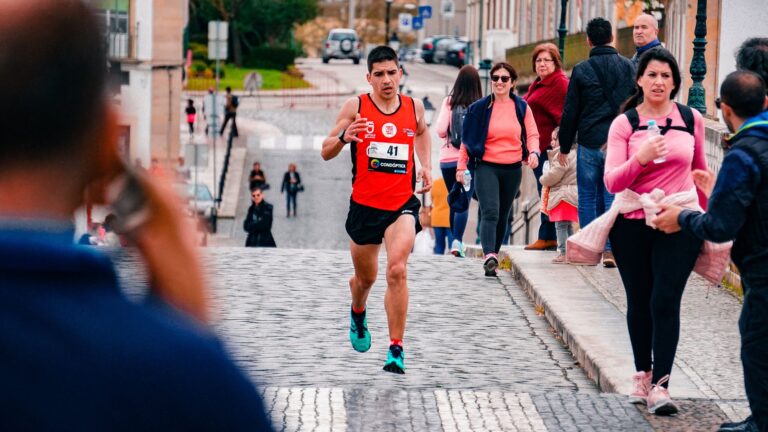
Astoria Soccer Club has taken a community-centered approach to fundraising by organizing a 5K road race that brings together runners of varying abilities for a local cause. This type of initiative represents a growing trend among youth and amateur sports organizations that recognize their potential to mobilize residents beyond their primary sport. By leveraging the structure of a simple 5K format—accessible to both seasoned runners and newcomers—the club creates an entry point for broad community participation while directing revenue toward meaningful local work.
Such events typically generate funds through registration fees, sponsorships, and donations. The soccer club’s decision to anchor their fundraiser around running rather than their primary sport demonstrates how multipurpose facilities and committed volunteer bases can address community needs that extend beyond the traditional scope of their organization. Road races have become a practical vehicle for nonprofit and grassroots fundraising because they require minimal specialized equipment, can be organized on existing public infrastructure, and appeal to a cross-section of the community.
Table of Contents
- How Community Sports Organizations Use 5K Races as Fundraising Tools
- Structuring a 5K That Balances Inclusivity and Challenge
- Training Pathways and Participant Preparation
- Revenue Models and Cost Management for Community Events
- Risk Management and Liability in Road Race Organization
- Connecting Fundraising to Specific Community Outcomes
- Sustaining Momentum Beyond Race Day
How Community Sports Organizations Use 5K Races as Fundraising Tools
Road races have become one of the most efficient fundraising mechanisms for local organizations, in part because the operational overhead is straightforward compared to other event types. A 5K requires course setup, timing coordination, and volunteer marshals—elements that experienced sports organizations like a soccer club already understand. The format also aligns well with existing fitness culture; runners seeking to train or compete in casual events create natural demand that doesn’t require aggressive marketing. Registration fees form the primary revenue stream for most 5K races, typically ranging from modest amounts that keep entry accessible to moderate fees that offset genuine organizational costs.
The soccer club’s approach likely balances affordability with covering expenses like course permits, timing equipment, and liability insurance. Beyond direct fees, corporate sponsorships provide additional revenue—local businesses gain promotional visibility in exchange for financial support, creating a symbiotic relationship where the club funds operations and sponsors reach a health-conscious audience. One limitation to consider is that reliance on weather and external circumstances creates uncertainty around fundraising projections. A race scheduled for spring, for instance, might face reduced participation if conditions deteriorate or competing events occur in the same timeframe. Soccer clubs already accustomed to outdoor logistics generally manage this risk better than untested organizations, but it remains a variable that can impact the final fundraising total.
Structuring a 5K That Balances Inclusivity and Challenge
The 5K distance—approximately 3.1 miles—occupies a middle ground in the running world: challenging enough to feel like a genuine athletic achievement for recreational runners, yet accessible to people who have minimal training experience. This makes it ideal for events aimed at broad community engagement rather than elite competition. A well-designed 5K course for a fundraiser typically avoids excessive hills, provides clear signage, and includes water stations at practical intervals. Astoria’s soccer club likely designed their course to reflect the local geography and infrastructure. Urban areas might utilize parks or tree-lined streets, while suburban settings could leverage trails or greenways.
The choice of route affects participant experience significantly—a scenic course attracts more casual participants and encourages social participation, while a faster course appeals to competitive runners training for longer distances. The club would have needed to secure permits, identify appropriate terrain, and coordinate with local authorities to ensure course safety and legality. A common operational challenge in organizing 5K events is managing the gap between bib numbers and actual participants. Registrations sold online may not all show up on race day, creating discrepancies between expected and actual revenue. Conversely, some organizations allow last-minute registration, which complicates volunteer scheduling and supply planning. The club would need to calibrate their projections based on historical no-show rates and registration patterns, particularly for a first-time event.
Training Pathways and Participant Preparation
Runners training for a 5K typically follow programs ranging from 4 to 8 weeks, depending on their starting fitness level. Beginners often use a run-walk approach, alternating periods of running and walking to build endurance without injury. Experienced runners might focus on tempo runs or interval training to improve their 5K pace. A community-organized race often attracts participants across this full spectrum, which is why course design that accommodates both walkers and competitive runners becomes important. The soccer club’s event may have promoted training resources or social media groups where participants could share their preparation progress.
Some fundraising races explicitly encourage slower paces and walking, marketing themselves as community events rather than competitive races. Others emphasize faster times, attracting serious runners training for longer distances. The messaging the club used in promotion likely shaped the participant demographics and, consequently, the character of the event itself. One frequently overlooked aspect of race participation is the risk of training-related injury, particularly among novice runners who increase their mileage too rapidly. Runners new to the sport sometimes sustain stress injuries, shin splints, or plantar fasciitis when following unprescribed or overly aggressive training plans. A responsible race organizer might provide training guidance or partner with local running coaches to help participants prepare safely, reducing the likelihood of injuries that could undermine participation and fundraising totals.
Revenue Models and Cost Management for Community Events
The financial architecture of a successful 5K hinges on balancing income sources against legitimate operational costs. Registration fees typically cover a portion of expenses, but the actual amount available for the stated cause depends on how well costs are controlled. Permit fees, timing service fees, insurance, water and refreshments, and shirt printing represent the major expense categories. Sponsorships offset these costs, allowing more registration revenue to reach the fundraising goal. A soccer club organizing this race likely negotiated with local sponsors who benefit from exposure to health-conscious community members.
A running shoe store, health-focused restaurant, gym, or sports medicine clinic would find meaningful return on sponsorship investment through brand visibility at a health-related event. This creates a sustainable partnership model: the sponsors reduce the organization’s cash burden, and the club avoids overly promotional or misleading messaging because sponsor relationships depend on credibility. One overlooked cost in community fundraising events is the volunteer time itself. While volunteers donate their labor, organizing, training, and coordinating volunteers requires significant staff effort. The club’s existing infrastructure as an established organization with volunteer experience in managing youth sports likely gave them an advantage here—they already possessed systems for recruitment and coordination. Newer organizations attempting similar events sometimes underestimate the hidden costs of volunteer management and end up with thinner margins than expected.
Risk Management and Liability in Road Race Organization
Any event that involves public roads and significant participant numbers carries legal and safety responsibilities that cannot be overlooked. Race organizers must obtain proper permits, secure liability insurance, and establish clear course safety protocols including emergency medical response coordination. The soccer club, as an established organization, presumably carried liability coverage and worked with local authorities to ensure compliance with traffic and permitting regulations. Course marshals serve a critical safety function by directing traffic, monitoring participant welfare, and identifying any accidents or medical emergencies. Under-staffing the course creates dangerous conditions—an unmonitored section of road where participant confusion or traffic conflict could injure someone creates both immediate harm and potential liability for the organization.
The club’s experience with coordinating youth sports events would have prepared them for this logistical requirement. A specific liability concern that affects fundraising events on public roads is the responsibility for participant injury or illness during the race. While participants typically sign waivers acknowledging the inherent risks of running, organizations still bear potential liability if their negligence contributes to harm. This reality means that cost-cutting measures that reduce course safety, medical response capabilities, or professional oversight create financial risk that exceeds any short-term savings. A well-managed event invests appropriately in these protections rather than treating them as expendable luxuries.
Connecting Fundraising to Specific Community Outcomes
The stated local cause for the Astoria Soccer Club’s 5K shapes how participants understand the value of their participation and sponsorship. Community organizations that clearly articulate how fundraising translates into concrete outcomes typically generate stronger support than those with vague beneficiary descriptions. A 5K that raises funds for youth athletics programs, mental health services, food security, or other clearly defined needs gives participants tangible understanding of their contribution.
Transparency about fund allocation matters to participants and sponsors alike. Some fundraising races publish post-event reports detailing total revenue, operational costs, and the resulting contribution to the stated cause. This accountability strengthens trust and encourages repeat participation in subsequent years. Soccer clubs with established community credibility benefit from this goodwill, as participants are more likely to return if they’ve seen evidence that their registration fee and effort actually advanced the intended cause.
Sustaining Momentum Beyond Race Day
A single event, however successful, creates only a temporary fundraising moment unless the organization builds structures for sustained engagement. Successful community fundraising efforts often convert one-time race participants into ongoing supporters, volunteers, or program participants. The soccer club likely faced the challenge of translating the energy and visibility from race day into longer-term community involvement.
Follow-up communication after the race—sharing final fundraising totals, highlighting how funds were used, and inviting continued participation—determines whether the event becomes an annual tradition or a one-time occurrence. Organizations that invite participants to volunteer at subsequent events, join training groups, or support ongoing programming create multiple pathways for deepened involvement. The soccer club’s established position in the community positioned them to leverage this, but execution requires deliberate planning rather than assuming that a successful first event will naturally generate future engagement.