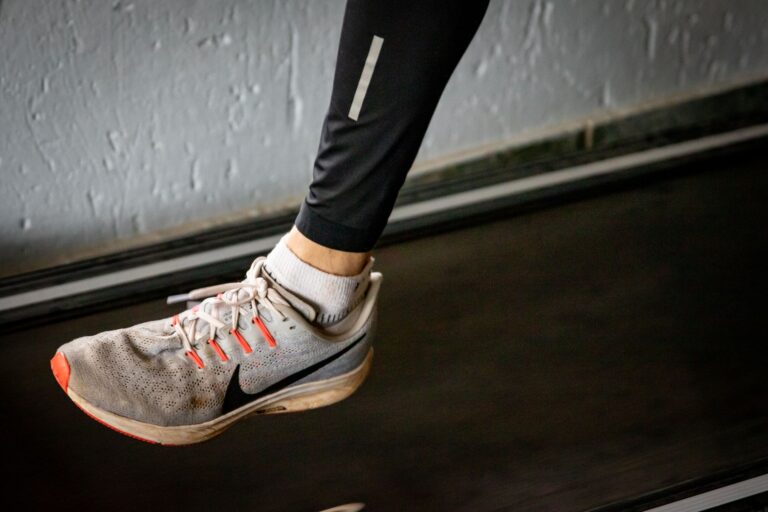
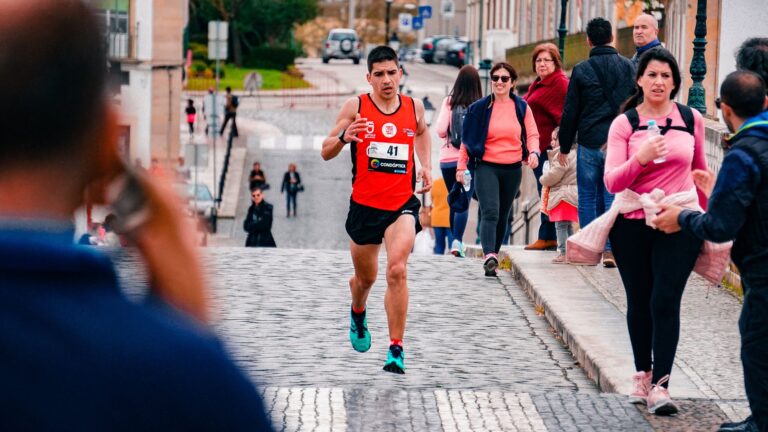
The Apple Watch is purpose-built to track running workouts with built-in GPS, heart rate monitoring, and dedicated running apps that record pace, distance, elevation, and cadence. When you start a running workout on the Apple Watch, the device uses its onboard GPS to map your route, measure your exact distance traveled, and track your speed in real time. For example, if you run a typical 5K on city streets with turns and elevation changes, the Watch will record your precise route, calculate your splits by mile or kilometer, and show you whether you maintained an even pace or slowed on hills—data that’s automatically synced to the Health app and fitness platforms like Strava or Nike Run Club.
The key to getting accurate data is understanding how to configure the workout app before you head out. Unlike a smartphone app that you can adjust mid-run, the Apple Watch requires you to select your workout type (Outdoor Run, Indoor Run, or Treadmill) and set your tracking preferences before you press start. Most runners discover that the accuracy and consistency of Apple Watch data rivals or exceeds phone-based running apps, but there are tradeoffs around battery life, screen readability in bright sunlight, and the need to pair the watch properly with your iPhone for full functionality.
Table of Contents
- How to Set Up and Start Running Workouts on Your Apple Watch
- Understanding Apple Watch GPS Accuracy and Data Limitations
- Tracking Metrics and Heart Rate Data During Your Run
- Optimizing Your Apple Watch Settings for Better Running Performance Data
- Common Issues and Workarounds for Apple Watch Running Workouts
- Integrating Apple Watch Running Data with Other Fitness Apps and Platforms
- Future Apple Watch Running Features and Advanced Capabilities
- Conclusion
- Frequently Asked Questions
How to Set Up and Start Running Workouts on Your Apple Watch
To begin, open the Workout app directly on your Apple Watch and select “Outdoor Run” for road running or trail work, “Indoor Run” if you’re on a treadmill, or “Track Run” if you’re on an official running track. The watch will ask you to confirm your workout settings: you can choose to auto-pause when you stop, set a goal (distance, time, or calories), and decide whether to calibrate distance using iPhone GPS or watch GPS alone. Most runners leave auto-pause on by default, which stops the timer and pauses your workout data collection the moment your moving speed drops below 3 miles per hour, preventing standing breaks or traffic stops from inflating your total time.
Before you run, calibrate your watch if this is your first time using it for running, or if you recently switched watchOS versions. Calibration improves distance accuracy on indoor treadmills especially; to do this on the Watch, go to the Workout app settings and select “Calibrate Treadmill,” then run at your normal pace for at least 15–20 minutes. For outdoor running, the Apple Watch learns from your running pattern over time, so your first few runs may be slightly less accurate than runs after the watch has logged 10–15 miles of your typical pace and stride.

Understanding Apple Watch GPS Accuracy and Data Limitations
The Apple Watch Series 9 and later models include dual-frequency GPS (L1 and L5 bands), which improves accuracy in urban canyons and tree cover where signals bounce off buildings or vegetation. However, the watch’s smaller antenna compared to a smartphone means that in very dense forests, narrow valleys, or tunnels, GPS signal can lag or drop briefly. For example, a runner training on a narrow trail lined with tall trees might find their Watch records slightly shorter distances than their actual route, typically off by 2–5 percent depending on conditions.
Another limitation is battery drain. Using GPS continuously for a 60-minute run reduces battery by roughly 15–20 percent, so if you take a morning 90-minute long run, your watch battery will drop from fully charged to around 50–60 percent. Frequent GPS workouts—say, four to five runs per week—mean you’ll likely charge your watch every other day rather than every three days. Additionally, the Apple Watch does not store detailed route maps like a dedicated Garmin running watch does; maps are stored only in the iPhone’s Health app or synced workout platforms, not on the watch itself.
Tracking Metrics and Heart Rate Data During Your Run
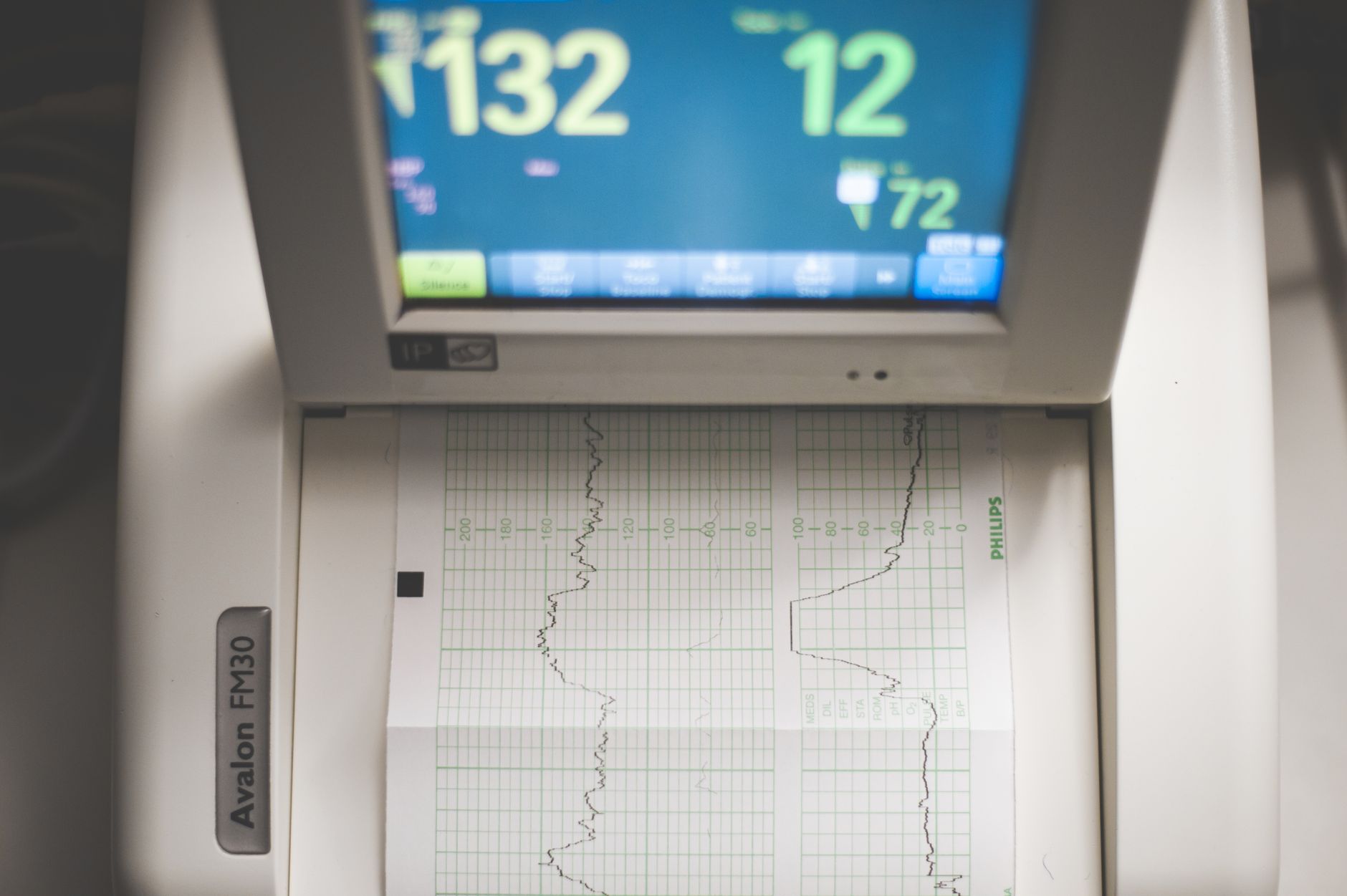
The Apple Watch monitors your heart rate continuously throughout the run using the optical heart rate sensor on the back of the device. This data is used to calculate your calorie burn and to assign each mile or segment of your run into heart rate zones (Zone 1 through Zone 5, with Zone 1 being very light recovery effort and Zone 5 being maximum sprint effort). If you run a 5-mile easy run at a steady 155 beats per minute, the Watch shows you that you spent most of your time in Zone 2 (moderate aerobic effort), which is typical for an easy recovery run.
Beyond heart rate, the Watch tracks cadence (steps per minute), pace, elevation, and ground contact time if you’re wearing Apple Watch Series 8 or later with advanced running metrics. Cadence data is valuable because it helps you identify whether you’re shuffling with short, fast steps or bounding with longer strides; most runners operate between 160 and 180 steps per minute, and the Watch vibrates to alert you if your cadence drops significantly, signaling fatigue or form breakdown. One limitation is that the elevation data is derived from barometric pressure, not GPS altitude, so in mountainous terrain with rapid elevation changes, the Watch may misread the elevation gain or loss by 10–15 percent compared to more sophisticated running watches.
Optimizing Your Apple Watch Settings for Better Running Performance Data
To extract the most accurate and useful data from your Apple Watch, enable the Health App integration on your iPhone so that all workout data is saved and can be analyzed over time. In the Workout app settings, you can enable audio cues that announce your mile splits, pace alerts that notify you if you’re running faster or slower than your target pace, and haptic feedback that vibrates when you hit certain milestones. Many runners prefer audio feedback during runs on roads but prefer silent haptic feedback during group runs or races to avoid distracting others.
The choice between relying on the Watch’s built-in GPS versus pairing it with your iPhone’s GPS affects accuracy and battery life. If you pair the iPhone during your run, the Watch uses the iPhone’s more powerful GPS, which is more accurate but drains both devices’ batteries faster. If you run with just the Watch, you get slightly less precise data but the Watch lasts longer. For casual training runs, watch-only GPS is sufficient; for races, time trials, or effort assessments, pairing with the iPhone ensures maximum accuracy.
Common Issues and Workarounds for Apple Watch Running Workouts
One frequent problem is that the Apple Watch loses GPS signal in tunnels or under overpasses. If you run a route with a 30-second underpass, the Watch will either pause GPS recording (showing a gap in your map) or estimate your location based on your last known speed and direction. The result is usually a small straight-line segment drawn across the tunnel instead of an accurate map of your actual path; this rarely affects your overall distance reading by more than a fraction of a percent, but it can make your route map look strange in apps like Strava.
Another issue is poor heart rate data when you run in very cold conditions or with a wet wrist. The optical sensor requires good skin contact and adequate blood flow to read accurately, so if you run in freezing temperatures with the Watch over a long-sleeve shirt or if you sweat heavily and the Watch shifts on your wrist, heart rate readings may spike or become erratic. A practical workaround is to ensure the back of the Watch is clean and dry, wear it slightly tighter than usual (but not so tight that circulation suffers), and check that your skin tone is not severely impacting sensor accuracy—Apple Watch heart rate sensors perform less reliably on deeper skin tones under certain conditions, and third-party runners have reported this discrepancy.

Integrating Apple Watch Running Data with Other Fitness Apps and Platforms
Your Apple Watch running data automatically syncs to Apple Health, the central repository for all your fitness metrics. From there, you can grant permission for third-party apps like Strava, TrainingPeaks, or Nike Run Club to read your workout data and build long-term training histories. Many serious runners use Strava to compare their runs against past attempts on the same route, tracking personal records and segment times; the Apple Watch integrates seamlessly with Strava’s API, so your runs appear in your Strava feed within minutes of completion.
One limitation is that the Apple Watch does not sync directly to web-based coaching platforms in real time like some Garmin watches do. If you work with a remote running coach, you may need to export your workout file or wait for third-party app syncing rather than having the coach see your data instantly. For most runners, this is a minor inconvenience because coaching usually happens on a weekly or monthly timescale, not in real time during the run itself.
Future Apple Watch Running Features and Advanced Capabilities
Apple continues to add running-focused features with each watchOS update. Recent additions include running form metrics (ground contact time, vertical oscillation) on Series 8 and newer, and integration with Apple’s training app, which creates personalized running plans based on your fitness level and goals.
Future versions may include more sophisticated altitude accuracy through improved barometric sensors or even expanded route mapping capabilities to rival dedicated running watches. For runners already invested in the Apple ecosystem, the Apple Watch remains a capable, convenient tool that does not require carrying additional hardware. As the watch hardware improves and the workout tracking software matures, the gap between the Apple Watch and specialized running watches narrows each year, though dedicated running watches still retain advantages in battery life, screen size, and mapping features for trail runners and ultramarathoners.
Conclusion
The Apple Watch successfully tracks running workouts with accurate GPS, continuous heart rate monitoring, and real-time pace and distance feedback. Its strength lies in convenience and ecosystem integration; if you already carry an iPhone and wear an Apple Watch daily, starting a running workout takes three taps and requires no additional hardware or setup beyond the initial calibration. The Watch provides useful data for training, tracks your fitness progress, and integrates with popular running apps and coaching platforms.
To get the most from your Apple Watch running experience, calibrate it before your first runs, enable proper syncing with the Health app and third-party platforms, and adjust audio and haptic feedback to suit your preference. Understand the device’s limitations around GPS accuracy in dense cover, battery drain during long efforts, and heart rate reliability in extreme conditions. For recreational runners and training-focused athletes, the Apple Watch strikes a practical balance between functionality and simplicity; for trail runners, ultramarathon athletes, or runners in challenging terrain, a dedicated running watch may offer more advanced features and longer battery life.
Frequently Asked Questions
How long does the Apple Watch battery last during a running workout?
Expect battery drain of 15–20 percent per 60 minutes of GPS running. A fully charged Watch can support a 4–5 hour running workout before the battery is critically low. If you run marathons regularly, you may need to charge your watch before the race.
Can I use the Apple Watch without an iPhone to run?
Yes. The Watch can record workouts using its onboard GPS without an iPhone present. However, the iPhone must be paired to the Watch initially, and some features like live activity notifications and Siri require the iPhone to be nearby.
Is the Apple Watch GPS accurate enough for racing?
Yes, for road races and track events. The GPS is accurate to within 5–10 feet in most conditions. For trail races in dense forest, expect slightly lower accuracy. Most runners find the data reliable for personal records and official race results.
What is the difference between Outdoor Run and Indoor Run mode?
Outdoor Run uses GPS to measure distance and draws your route. Indoor Run relies on motion sensors and your Watch’s calibration to estimate distance without GPS, suitable for treadmills or indoor tracks. Distance in Indoor Run mode is less accurate than Outdoor Run.
How do I improve heart rate accuracy on my Apple Watch?
Ensure the Watch is clean, dry, and snug on your wrist. Avoid running in extreme cold, which reduces blood flow to the skin. Wear the Watch directly on bare skin rather than over long sleeves. Older watchOS versions may be less accurate; keep your Watch updated.
Can I pair my Apple Watch with other running apps besides Strava?
Yes. Apple Watch syncs with the Health app, which can share data with hundreds of third-party fitness apps including TrainingPeaks, Nike Run Club, Runkeeper, and others. Grant app permissions in the iPhone’s Privacy settings to enable data sharing.