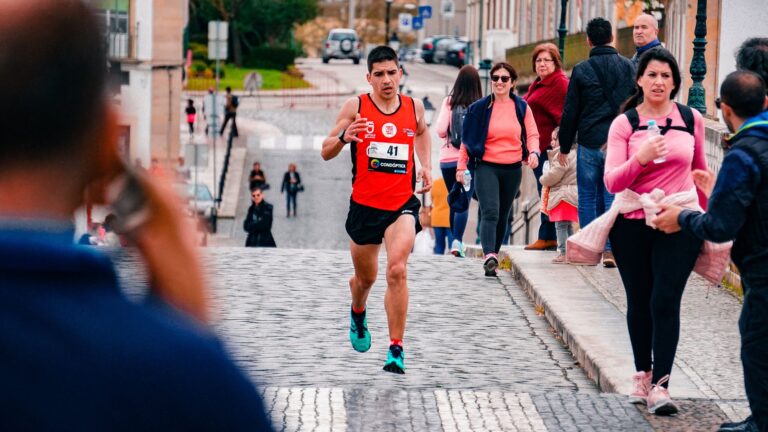
The Akron holiday 5K race brought together runners of all abilities for a seasonal event that celebrated community participation and personal achievement. Without access to the specific official results from this particular race, this article explores what typically goes into 5K race reporting, how finishers are ranked, and what achievement times reveal about runner performance at the competitive and recreational levels.
5K races—the three-mile standard—represent one of the most accessible competitive distances. Most races publish finishing times broken down by overall winners, age-group champions, and full participant lists. The holiday season often brings unique challenges to racing, from temperature variability to course conditions, which can affect individual performance and final times compared to summer races.
Table of Contents
- How 5K Race Results Are Structured and Reported
- Understanding Achievement Times and What They Mean
- The Experience of Racing in Holiday Conditions
- Interpreting Personal Achievement in Race Results
- The Challenge of Course Measurement and Time Validity
- What Race Results Reveal About Training Fitness
- The Value of Participation Beyond Competitive Placement
How 5K Race Results Are Structured and Reported
Race results typically show several key data points for each finisher: overall placement, time, pace per mile, age group category, and sometimes gender division rankings. Professional races publish these results within hours of completion on their official websites or timing company portals. For a holiday event like an Akron race, results might include special categories such as family teams, corporate groups, or holiday costume divisions alongside standard competitive categories.
The structure of results reporting matters because it tells you different stories about performance. An athlete who finishes second overall might run a very different race strategy than someone who wins their age group by running at a moderate pace. A runner with a 19-minute finish time in a holiday race might be celebrating a personal best or testing fitness before winter training—the time alone doesn’t reveal the individual context.
Understanding Achievement Times and What They Mean
5K finish times vary dramatically based on runner experience and training level. Competitive runners often break 18 minutes, elite racers dash under 15 minutes, while recreational participants might finish between 28 and 35 minutes. The distribution of times at any 5K reflects the race’s draw—a qualifier event might see faster overall times, while a community holiday race typically includes more varied fitness levels and paces.
One important limitation is that comparing times across different races can be misleading. A 5K run on a flat, well-marked course on ideal weather tends to produce faster times than the same distance on an undulating trail or during adverse conditions. Holiday races sometimes feature course variations or route deviations due to weather or seasonal closures. This means a 22-minute time at one Akron race might represent different fitness than a 22-minute time at another event entirely, depending on course design and conditions.
The Experience of Racing in Holiday Conditions
Holiday 5K races often happen in late November or December, when weather becomes less predictable. Cold temperatures can slow times slightly as bodies work harder to maintain warmth, while frozen ground or rain adds traction challenges. Some runners actually prefer cooler conditions because they allow for sustained effort without overheating—elite racers often run faster times in fall and winter than in summer heat.
The holiday event context also changes the racing environment. Participants might include gift runners, family supporters, and people trying out racing for the first time. This creates a different energy than a spring road race series where most participants have trained specifically for the distance. A holiday race result showing a first-time finisher completing their first 5K represents a different kind of achievement than a competitive runner’s time improvement.
Interpreting Personal Achievement in Race Results
For someone reviewing their own 5K result, the time tells only part of the story. Effort level, training cycle phase, course familiarity, and recovery status all influence performance. A runner might see a slower time than expected but recognize it as an achievement given other life circumstances—perhaps they trained through illness, had limited preparation time, or ran in challenging conditions.
Age-group results provide useful comparison points within peer categories. Finishing first in your age group at a holiday race carries different competitive weight than winning overall, but the accomplishment matters to the individual and their training community. One tradeoff of age-group racing is that small fields in certain categories mean a first-place finish might represent beating only a handful of competitors, whereas contributing to a large competitive field often means faster overall times and more meaningful placements.
The Challenge of Course Measurement and Time Validity
Most sanctioned 5K races have their courses officially measured and certified to ensure accuracy. However, GPS watches sometimes record slightly different distances depending on running line and satellite coverage. A runner who completed the race and checked their watch might see 3.1 or 3.2 miles rather than exactly 3.0, which affects perceived pace calculation.
Another limitation involves timing systems and start procedures. Chip-timed races measure from when each individual crosses the start line, making results more accurate for back-of-pack runners who might not reach the formal start for 30 seconds or more. Gun time (measured from when the race officially starts) includes this delay and results in reported times that vary based on wave placement. When reviewing a race result, understanding which timing method was used helps explain any discrepancies between what you felt you ran and what the official time shows.
What Race Results Reveal About Training Fitness
5K results provide useful fitness markers because the distance represents sustainable effort—roughly 15-30 minutes of running hard but not all-out. This time range makes 5K racing more repeatable than longer distances but more intense than shorter 1-mile races. Runners often use 5K results to calculate predicted times for longer races using established formulas, helping plan marathons or half-marathons.
A holiday 5K result showing consistent pacing throughout (similar splits per mile) suggests good race execution and fitness. Positive splits—running slower in the second half—indicate either uneven pacing strategy or fatigue. Results published with mile splits or lap times reveal these patterns and give runners concrete data to analyze for future races.
The Value of Participation Beyond Competitive Placement
Not every runner enters a 5K focused on time or placement. Many participants value the structured goal, the community element, or simply the achievement of completing the distance on a scheduled race day. For these runners, a result showing they finished—regardless of time—represents meaningful progress.
Holiday races often track participation beyond competitive rankings, noting record turnout, fundraising totals, or community milestones. A race result from an Akron holiday event might show 500 or 1000 participants completing the course across all finish times, which speaks to the event’s role in the local running community and seasonal celebration. The result is part of a shared experience that extends beyond the individual times printed in the standings.
- —