The hidden difference between treadmill and outdoor shoe wear represents one of the most overlooked aspects of running footwear management, yet understanding this distinction can save runners hundreds of dollars annually while reducing injury risk. Most runners own a single pair of training shoes that they use interchangeably on the treadmill, roads, and trails, never realizing that each surface creates fundamentally different wear patterns that affect shoe longevity, biomechanical support, and performance. This knowledge gap leads to premature shoe replacement, unnecessary discomfort, and in many cases, preventable running injuries. Whether you split your training between indoor and outdoor sessions or primarily stick to one surface, the way your shoes degrade tells a story about your gait, the forces acting on your body, and how much life remains in your footwear.
Treadmill running, despite feeling similar to outdoor running, subjects shoes to different thermal conditions, friction patterns, and impact distributions. Outdoor running introduces variables like weather, debris, and constantly changing terrain that create their own unique wear signatures. Understanding these patterns empowers runners to make informed decisions about shoe rotation, replacement timing, and surface-specific footwear selection. By the end of this article, you will understand exactly how treadmill and outdoor running affect shoe wear differently, learn to read the wear patterns on your own shoes, and develop strategies for extending shoe life across both training environments. The information presented here draws from biomechanics research, footwear industry standards, and practical observations from running coaches and podiatrists who work with athletes at every level.
Table of Contents
- Why Does Shoe Wear Differ Between Treadmill and Outdoor Running?
- Understanding Treadmill Shoe Wear Patterns and Their Causes
- Outdoor Running Surfaces and Their Impact on Shoe Degradation
- How to Inspect Your Shoes for Treadmill vs. Outdoor Wear Damage
- Common Mistakes Runners Make When Switching Between Surfaces
- The Economics of Surface-Specific Footwear Rotation
- How to Prepare
- How to Apply This
- Expert Tips
- Conclusion
- Frequently Asked Questions
Why Does Shoe Wear Differ Between Treadmill and Outdoor Running?
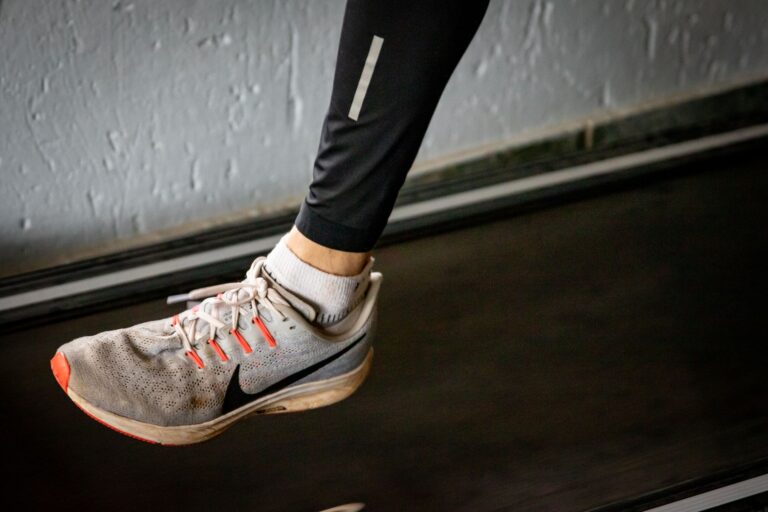
The fundamental difference between treadmill and outdoor shoe wear stems from the distinct mechanical interactions between your foot, the shoe, and the running surface. On a treadmill, the belt moves beneath your feet, effectively pulling your shoe backward with each foot strike. This creates a friction pattern that differs from outdoor running, where your foot pushes against a stationary surface to propel your body forward. The result is that treadmill running generates more friction at the heel during landing and less aggressive toe-off wear, while outdoor running produces the opposite pattern with pronounced forefoot wear from active push-off. Temperature plays a surprisingly significant role in how shoes wear on each surface.
Treadmill belts generate substantial heat through friction, and running shoes can reach temperatures 15-20 degrees Fahrenheit higher than ambient conditions during extended treadmill sessions. This elevated temperature softens the rubber compounds in outsoles, making them more susceptible to abrasion. Outdoor running, particularly in cooler conditions, keeps outsole rubber firmer and more resistant to wear. Conversely, hot pavement in summer can cause similar softening effects outdoors, which explains why many runners notice accelerated wear during warmer months. The consistency of the treadmill surface also affects wear patterns in ways that outdoor running cannot replicate:.
- **Uniform impact distribution**: Treadmill surfaces are engineered to be perfectly flat and consistent, meaning your shoes experience identical loading patterns with each stride. This creates concentrated wear in specific locations rather than the distributed wear seen from varied outdoor terrain.
- **Reduced lateral stress**: The straight, predictable path of treadmill running eliminates the lateral movements required by outdoor running, such as navigating curbs, avoiding obstacles, and adjusting to camber. This reduces wear on the outer edges of the outsole.
- **Belt texture interaction**: Treadmill belts have a specific texture designed for grip, and this texture can create distinctive abrasion patterns on shoe outsoles that differ markedly from pavement, concrete, or asphalt wear.

Understanding Treadmill Shoe Wear Patterns and Their Causes
Treadmill-specific shoe wear exhibits characteristics that experienced runners and footwear professionals can identify at a glance. The most distinctive pattern is pronounced heel wear, particularly on the posterior-lateral aspect of the outsole where initial ground contact occurs. Because the treadmill belt is already moving backward when your foot lands, there is additional friction during the braking phase of your gait cycle. This friction accelerates rubber loss in a relatively small, concentrated area, often creating a visible flat spot within 100-200 miles of treadmill running. The midsole compression patterns on treadmill shoes also differ from outdoor footwear.
Treadmills typically offer more cushioning than outdoor surfaces, which means the midsole foam does not compress as aggressively during landing. However, the consistent, repetitive nature of treadmill running subjects the same foam cells to identical loading patterns thousands of times per session. This creates what footwear engineers call “compression set”””a permanent deformation of the foam that reduces energy return and cushioning. Many runners notice that their treadmill shoes feel “dead” in specific spots while the rest of the midsole remains relatively responsive. Several factors contribute to the unique wear signatures of treadmill running:.
- **Reduced proprioceptive demands**: The predictable surface requires less stabilization from the foot and ankle, leading to more consistent footstrike positions and concentrated wear zones.
- **Climate control paradox**: While gyms maintain comfortable temperatures, the lack of airflow around shoes during treadmill running increases moisture accumulation, which can accelerate upper material degradation and insole breakdown.
- **Stride length modifications**: Research indicates that many runners unconsciously shorten their stride on treadmills, which shifts loading patterns and can create unusual midfoot wear not seen in their outdoor running.
Outdoor Running Surfaces and Their Impact on Shoe Degradation
Outdoor running subjects shoes to an enormous variety of surfaces, each contributing differently to overall wear patterns. Asphalt and concrete, the most common outdoor running surfaces, create aggressive abrasion on outsole rubber due to their rough, textite nature. The mineral composition of these surfaces acts like fine sandpaper, gradually grinding away rubber with each footstrike. Concrete produces approximately 30% more outsole wear per mile than asphalt due to its harder, less forgiving surface composition.
The variable nature of outdoor terrain distributes wear more evenly across the outsole compared to treadmill running. Slight cambers on roads, undulating sidewalks, and the natural tendency to weave around obstacles and other pedestrians mean that each footstrike lands at slightly different angles. This variation actually benefits shoe longevity in some respects, as it prevents the concentrated wear spots common in treadmill shoes. However, outdoor running introduces unique wear challenges: debris like gravel and glass can embed in outsoles or cause acute damage, wet conditions accelerate rubber breakdown, and UV exposure degrades both rubber and foam compounds over time. The midsole of outdoor running shoes experiences different compression patterns than their treadmill counterparts:.
- **Variable loading**: Uneven surfaces create asymmetrical compression forces that stress the midsole differently with each stride, leading to more uniform foam breakdown but potentially faster overall cushioning loss.
- **Impact force fluctuations**: Unlike the consistent cushioning of treadmills, outdoor surfaces transmit varying impact forces that can accelerate midsole fatigue, particularly on harder surfaces like concrete.
- **Temperature cycling**: Outdoor shoes experience significant temperature variations that cause midsole foams to expand and contract, gradually breaking down the cellular structure that provides cushioning and energy return.

How to Inspect Your Shoes for Treadmill vs. Outdoor Wear Damage
Conducting regular wear inspections can extend shoe life and prevent injuries by identifying degradation before it becomes problematic. Start by examining the outsole with the shoe held at eye level, looking for asymmetries in rubber thickness between the left and right shoes. Treadmill shoes typically show more symmetric wear between pairs due to the consistent surface, while outdoor shoes often display asymmetries related to road camber, dominant turning directions, and individual biomechanical tendencies. The “twist test” reveals midsole degradation in both treadmill and outdoor shoes, but the results differ based on wear patterns.
Hold the shoe at the heel and toe and twist it along the longitudinal axis. A new shoe should offer significant resistance; a worn shoe will twist easily. Treadmill shoes often fail this test in the heel area first due to concentrated compression, while outdoor shoes typically show more uniform flexibility loss. Additionally, press your thumb firmly into the midsole at several points””areas that compress too easily or do not spring back indicate foam that has reached the end of its functional life. Practical inspection techniques include:.
- **Heel counter examination**: Check the internal heel counter for collapse or deformation, which indicates the shoe can no longer provide adequate stability. This wear is often more pronounced in outdoor shoes due to varied terrain demands.
- **Upper material assessment**: Look for mesh breakdown, seam separation, and toe box deformation. Treadmill shoes typically show upper wear from moisture and friction, while outdoor shoes display damage from debris and environmental exposure.
- **Insole inspection**: Remove the insole and check for compression patterns, wear holes, and material breakdown. Treadmill running often creates more pronounced insole wear due to higher moisture levels.
- **Flex point analysis**: Bend the shoe where it naturally flexes during toe-off. Visible creasing in the midsole at this point indicates significant foam breakdown that affects performance and injury risk.
Common Mistakes Runners Make When Switching Between Surfaces
One of the most prevalent errors runners make is using the same shoes for both treadmill and outdoor running without accounting for the different wear rates and patterns. A shoe that has logged significant treadmill miles may have substantial heel cushioning loss while appearing nearly new based on outsole condition. Conversely, a shoe with visible outsole wear from outdoor running may still have adequate midsole cushioning for treadmill use. Failing to recognize these different aging patterns leads to either premature replacement or continued use of shoes that no longer provide adequate support.
The transition between surfaces also exposes runners to injury risk when shoe wear is not considered. Moving from treadmill to outdoor running in shoes that have developed treadmill-specific wear patterns can alter gait mechanics in unexpected ways. The concentrated heel wear from treadmill use may affect landing dynamics on harder outdoor surfaces, while the conditioned midsole may not provide adequate protection for the higher impact forces encountered on concrete and asphalt. Many running injuries that occur during surface transitions can be traced back to inappropriate footwear choices. Additional common mistakes include:.
- **Ignoring rotation benefits**: Running in the same pair for every session accelerates wear in both environments. Rotating between two or more pairs allows midsole foam to recover between runs and extends the functional life of each shoe.
- **Relying solely on mileage**: The often-cited 300-500 mile replacement guideline does not account for surface differences. Treadmill miles are generally less damaging to outsoles but may affect midsoles similarly to outdoor miles, complicating replacement timing.
- **Overlooking environmental factors**: Many runners do not consider how gym conditions (temperature, humidity) affect their treadmill shoes differently than outdoor weather conditions affect their road shoes.

The Economics of Surface-Specific Footwear Rotation
Investing in separate shoes for treadmill and outdoor running may seem like an unnecessary expense, but the mathematics often favor this approach for runners who train on both surfaces regularly. A quality running shoe typically provides 300-500 miles of effective cushioning and support. However, the wear patterns from mixed-surface use often compromise specific aspects of shoe performance before mileage limits are reached. A dedicated treadmill shoe can last significantly longer since it experiences less outsole abrasion, while an outdoor shoe may be retired from road duty but still serve effectively on the more forgiving treadmill surface.
The rotation strategy also provides performance benefits beyond economics. Alternating between shoes with different wear patterns challenges the neuromuscular system in subtle ways that may improve stability and reduce overuse injury risk. Many elite runners and running coaches advocate for shoe rotation specifically because it varies the loading patterns on muscles, tendons, and joints. From a practical standpoint, designating an older outdoor shoe as a dedicated treadmill shoe when outsole wear becomes significant allows runners to extract maximum value from their footwear investment while maintaining appropriate support for each training environment.
How to Prepare
- **Inventory your current shoes**: Document the estimated mileage, primary use surface, and visible wear patterns for each pair in your rotation. Take photographs of outsole wear for future comparison and note any areas where you feel reduced cushioning during runs.
- **Analyze your training distribution**: Calculate the approximate percentage of your weekly mileage completed on treadmill versus outdoor surfaces. This ratio will guide decisions about whether separate shoes are warranted and how to allocate shoe rotation.
- **Establish baseline wear markers**: Use a permanent marker to make small reference dots on the outsole rubber in key wear areas. Measure the rubber thickness at these points to track wear rate over time and compare between surfaces.
- **Create a tracking system**: Whether using a running app, spreadsheet, or simple notebook, begin logging which shoes you use for each run and the surface type. This data becomes invaluable for identifying when shoes need retirement.
- **Assess your biomechanics**: If possible, have a professional gait analysis performed or film yourself running on both treadmill and outdoor surfaces. Understanding your footstrike pattern and any differences between surfaces will help you interpret wear patterns more accurately.
How to Apply This
- **Designate surface-specific primary shoes**: Based on your training distribution, assign your newest shoes to your primary training surface. Reserve your second-newest pair for the secondary surface, ensuring each shoe is optimized for its intended use.
- **Implement inspection checkpoints**: Schedule monthly wear inspections regardless of mileage. Compare wear patterns between your treadmill and outdoor shoes, noting any asymmetries or areas of concern that develop differently on each surface.
- **Establish a transition protocol**: When retiring a shoe from outdoor duty, evaluate its suitability for continued treadmill use. Many shoes with worn outsoles but intact midsoles can provide additional service on the more forgiving treadmill surface.
- **Adjust replacement timing by surface**: Move away from fixed mileage thresholds and instead use wear pattern assessment to guide replacement. Recognize that your treadmill shoes may last longer in some respects while experiencing faster midsole degradation in concentrated areas.
Expert Tips
- **Monitor heel counter integrity separately from outsole wear**: The heel counter often degrades faster in treadmill shoes due to the repetitive, identical footstrike pattern. Press on the heel counter regularly to check for collapse, which indicates the shoe can no longer provide adequate stability regardless of outsole condition.
- **Account for seasonal outdoor variations**: Outdoor shoe wear accelerates significantly during hot summer months when asphalt softens and rubber compounds become more susceptible to abrasion. Consider increasing rotation frequency during summer and reserving newer shoes for these higher-wear periods.
- **Use the midsole bounce test monthly**: Drop a golf ball or marble onto the midsole from a consistent height and observe the rebound. Compare between your treadmill and outdoor shoes to identify which is losing energy return faster. This test often reveals degradation before you can feel it during runs.
- **Consider surface-specific shoe characteristics**: When purchasing, recognize that highly cushioned shoes may benefit treadmill running less than outdoor running since the treadmill already provides some shock absorption. Conversely, durable outsole compounds matter less for treadmill-only shoes.
- **Track performance metrics alongside wear**: Note any changes in your pace, perceived effort, or post-run recovery that correlate with specific shoes or surfaces. Performance degradation often signals shoe wear before visible signs appear.
Conclusion
Understanding the hidden difference between treadmill and outdoor shoe wear transforms how runners approach footwear management, moving from arbitrary mileage-based replacement to informed, pattern-based decision making. The distinct wear signatures created by each surface””from the concentrated heel wear of treadmill running to the distributed outsole abrasion of outdoor surfaces””provide valuable information about shoe condition that mileage alone cannot capture. By learning to read these patterns and implementing surface-specific rotation strategies, runners can optimize both shoe longevity and performance while reducing injury risk.
The practical implications extend beyond individual shoe management to broader training decisions. Recognizing that shoes wear differently on each surface empowers runners to make informed choices about when to transition shoes between surfaces, when to retire footwear entirely, and how to budget for their running habit. While the initial investment in multiple pairs may seem significant, the extended useful life and reduced injury risk typically justify the expense for runners who train on both treadmill and outdoor surfaces regularly. Take time to examine your current shoes today, implement a tracking system, and begin developing the pattern recognition skills that will serve you throughout your running career.
Frequently Asked Questions
How long does it typically take to see results?
Results vary depending on individual circumstances, but most people begin to see meaningful progress within 4-8 weeks of consistent effort. Patience and persistence are key factors in achieving lasting outcomes.
Is this approach suitable for beginners?
Yes, this approach works well for beginners when implemented gradually. Starting with the fundamentals and building up over time leads to better long-term results than trying to do everything at once.
What are the most common mistakes to avoid?
The most common mistakes include rushing the process, skipping foundational steps, and failing to track progress. Taking a methodical approach and learning from both successes and setbacks leads to better outcomes.
How can I measure my progress effectively?
Set specific, measurable goals at the outset and track relevant metrics regularly. Keep a journal or log to document your journey, and periodically review your progress against your initial objectives.
When should I seek professional help?
Consider consulting a professional if you encounter persistent challenges, need specialized expertise, or want to accelerate your progress. Professional guidance can provide valuable insights and help you avoid costly mistakes.
What resources do you recommend for further learning?
Look for reputable sources in the field, including industry publications, expert blogs, and educational courses. Joining communities of practitioners can also provide valuable peer support and knowledge sharing.