
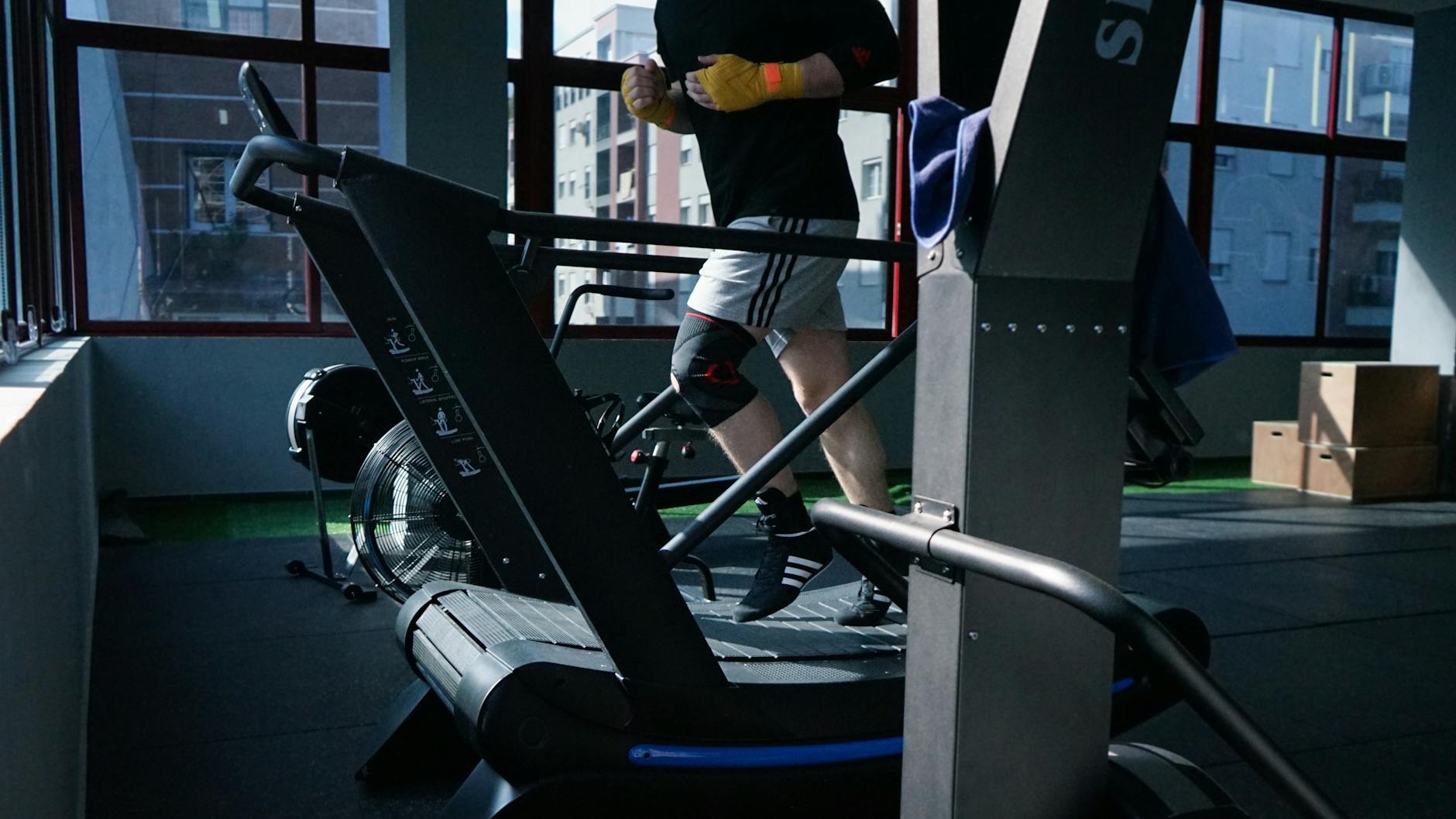
Treadmill running exposes shoe flaws you never notice outside, revealing hidden deficiencies in cushioning, stability, and fit that outdoor terrain and environmental variables typically mask. The controlled, repetitive nature of belt running strips away the distractions of uneven surfaces, wind resistance, and constantly changing footfall patterns, creating a diagnostic environment where every weakness in your footwear becomes impossible to ignore. What you might dismiss as mild discomfort during a trail run or chalk up to a rough patch of pavement suddenly becomes a persistent, identifiable problem when you log miles on a moving belt. This phenomenon matters because runners often invest significant money in shoes that perform adequately outdoors but fail under the specific demands of indoor running.
The treadmill eliminates compensatory movements your body makes to navigate natural terrain, forcing your feet to repeat the exact same motion thousands of times per session. That tiny hot spot that never bothered you during varied outdoor runs becomes a blister after twenty minutes of identical footstrikes. The slight lateral instability you subconsciously corrected on changing surfaces becomes a nagging ankle concern when the ground beneath you never varies. By understanding how treadmill running exposes these otherwise hidden shoe deficiencies, you can make more informed purchasing decisions, identify when shoes have worn past their useful life, and select footwear that performs well across all running environments. This article examines the specific mechanical and environmental factors that make treadmills such effective shoe testing platforms, details the most common flaws they reveal, and provides practical strategies for evaluating your current footwear and choosing better options in the future.
Table of Contents
- Why Does Treadmill Running Reveal Shoe Problems That Outdoor Running Hides?
- Common Shoe Flaws That Treadmill Running Exposes First
- The Biomechanics Behind Indoor Running and Shoe Performance
- How to Test Your Running Shoes on a Treadmill for Hidden Flaws
- Why Outdoor Runners Overlook Shoe Problems That Treadmill Users Catch
- Treadmill Belt Surface and Its Unique Interaction with Running Shoes
- How to Prepare
- How to Apply This
- Expert Tips
- Conclusion
- Frequently Asked Questions
Why Does Treadmill Running Reveal Shoe Problems That Outdoor Running Hides?
The answer lies in the fundamental difference between how your feet interact with a treadmill belt versus natural ground. outdoor running involves constant micro-adjustments as your body responds to cambered roads, small rocks, uneven sidewalk sections, and varying surface textures. These subtle changes in foot placement distribute stress across different parts of your shoe and foot, preventing any single area from experiencing prolonged, concentrated pressure. The treadmill eliminates this variability entirely, forcing your foot to land in nearly identical positions stride after stride.
This repetitive precision transforms minor shoe issues into major problems through sheer accumulation. A cushioning system that provides adequate protection when stress is distributed across multiple landing patterns may fail when forced to absorb identical impacts repeatedly. Research from biomechanics laboratories has shown that treadmill running produces more consistent ground reaction force patterns than overground running, with vertical loading rates varying by as little as three to five percent between strides compared to fifteen to twenty percent variation outdoors. This consistency means that any flaw in your shoe’s response to that specific loading pattern compounds with every step rather than averaging out across varied conditions.
- The fixed belt speed creates uniform stride timing, eliminating natural pace variations that would otherwise shift stress patterns
- Constant surface texture means no breaks from friction as you would experience transitioning between asphalt, concrete, and grass
- The flat, level surface removes terrain-based compensations that might inadvertently correct for poor shoe fit
- Climate control eliminates moisture and temperature fluctuations that affect shoe material behavior outdoors
- Reduced visual distraction allows runners to focus on and notice sensations they might otherwise ignore
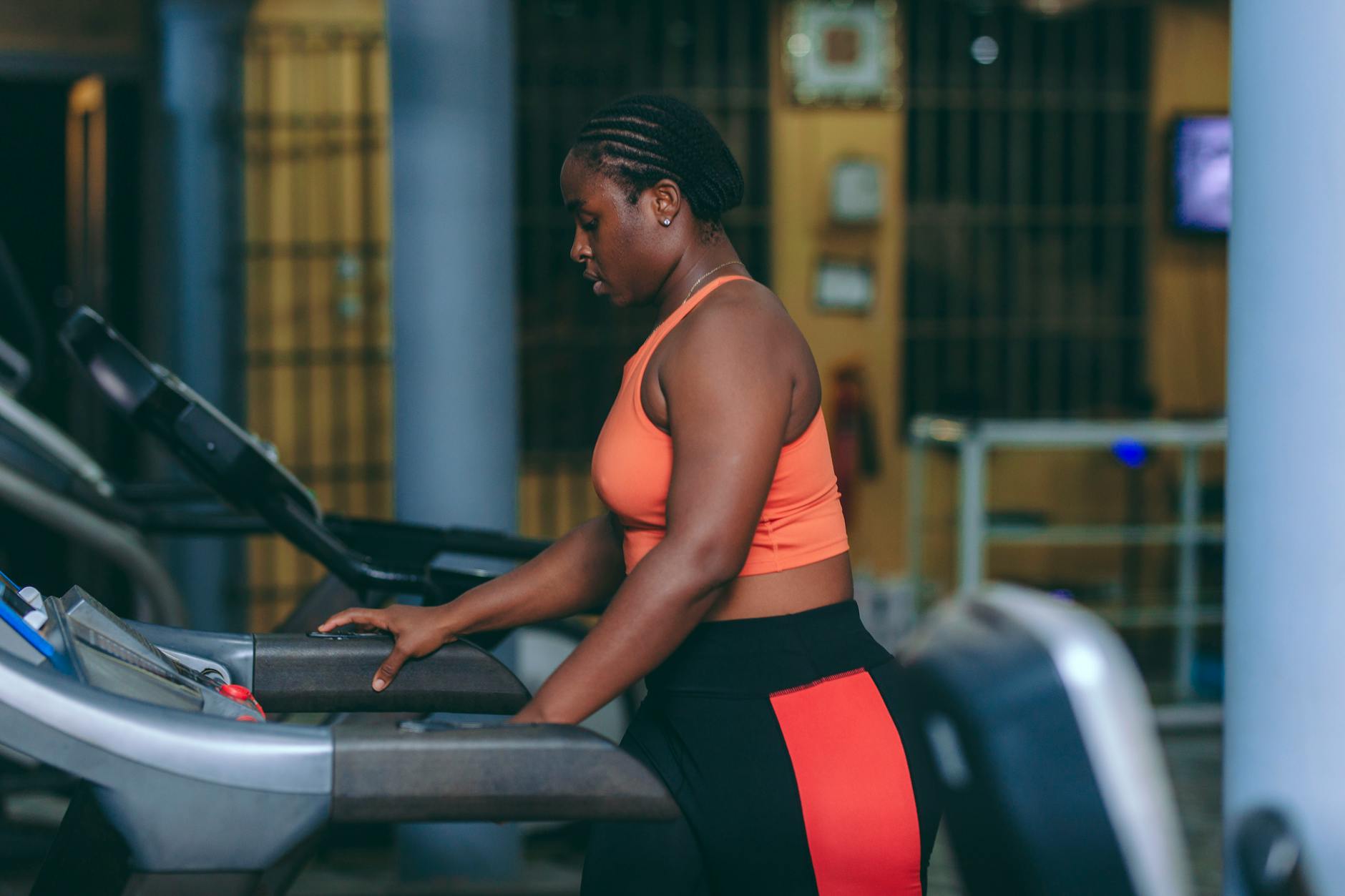
Common Shoe Flaws That Treadmill Running Exposes First
Cushioning breakdown becomes immediately apparent on treadmills, often weeks or months before outdoor runners notice degradation. The midsole foam in most running shoes compresses over time, losing its ability to absorb impact. Outdoors, varying surfaces provide partial compensation for this loss, but the treadmill’s unforgiving consistency reveals dead spots and compression set with brutal clarity. Many runners report that shoes feeling fine on roads suddenly seem flat and unresponsive when moved to indoor running, a clear signal that the cushioning has degraded beyond acceptable levels.
Fit issues that remain minor irritations outdoors frequently escalate on treadmills. A toe box that feels adequate during a five-mile road run may cause numbness or nail bruising during equivalent treadmill sessions because your toes are making contact with the front of the shoe at precisely the same angle on every stride. Heel slippage that you subconsciously correct while navigating outdoor obstacles becomes a constant distraction when nothing else demands your attention. Studies of running shoe returns show that consumers are forty percent more likely to identify fit problems after treadmill use compared to exclusively outdoor testing.
- Inadequate arch support becomes noticeable as fatigue develops without terrain variations to shift loading
- Upper material breathability problems cause accelerated moisture buildup in climate-controlled gyms
- Midsole asymmetry or manufacturing defects create detectable stride irregularities
- Outsole wear patterns become more pronounced due to consistent contact angles
- Lacing system failures cause pressure points that worsen without natural stride variation
The Biomechanics Behind Indoor Running and Shoe Performance
Treadmill running alters lower extremity biomechanics in subtle but significant ways that affect how your shoes must perform. Research published in the Journal of Biomechanics found that runners typically adopt a slightly shorter stride length and higher cadence on treadmills compared to overground running at equivalent speeds. This adjustment places different demands on shoe cushioning systems, requiring quicker energy return and more rapid compression-recovery cycles from midsole materials. Shoes optimized for longer, slower stride patterns may feel sluggish or unresponsive under these changed conditions.
The belt’s movement also affects how force transfers through your shoes during the stance phase. Unlike solid ground that remains stationary while your foot pushes off, the treadmill belt is moving backward relative to your body, creating a different frictional dynamic at the outsole-surface interface. This can reveal traction inadequacies that never manifest outdoors, as well as upper construction weaknesses that allow excessive foot movement within the shoe during the altered push-off mechanics. Some runners experience more pronounced heel-to-toe transition issues on treadmills because the belt’s movement changes the timing and force requirements of this transition.
- Ankle range of motion often decreases on treadmills, placing greater demands on shoe flexibility
- Hip extension patterns change, altering how weight transfers through the forefoot during push-off
- Ground contact time may increase slightly, exposing cushioning to longer loading durations per stride
- The absence of wind resistance reduces forward lean, changing foot strike positioning and heel counter demands

How to Test Your Running Shoes on a Treadmill for Hidden Flaws
Creating a systematic shoe evaluation protocol using your treadmill allows you to identify problems before they cause injury or compromise training quality. Begin with a ten-minute easy jog, paying specific attention to your feet without music or other distractions. Note any sensations of heat, pressure, slippage, or instability during this initial period when your feet are fresh and most sensitive to subtle issues. Many runners discover fit problems only when they deliberately focus on foot sensations rather than allowing their attention to drift elsewhere.
Progress through a series of speed changes, spending three to four minutes each at easy, moderate, and tempo paces. Different speeds alter your footstrike pattern and loading characteristics, potentially revealing flaws that only appear at specific intensities. A shoe that feels stable during a slow jog may exhibit lateral instability when you increase pace and your ground contact time shortens. Complete your evaluation with a short incline segment, as uphill running on treadmills changes how force distributes through your forefoot and can expose toe box and flexibility issues hidden at level grades.
- Run both with and without your typical training socks to isolate shoe-specific versus sock-specific issues
- Note any differences between your left and right foot, which may indicate manufacturing inconsistencies
- Perform the evaluation when your shoes have at least thirty miles on them to assess broken-in performance
- Test at similar times of day since foot swelling affects fit perception
- Document your findings immediately after running while sensations remain fresh
Why Outdoor Runners Overlook Shoe Problems That Treadmill Users Catch
The outdoor running environment provides numerous sensory distractions that mask developing shoe problems. Traffic awareness, terrain navigation, weather conditions, and varied scenery all compete for cognitive attention, leaving fewer mental resources to register subtle foot discomfort. Treadmill runners operate in a stripped-down sensory environment where there is little to focus on beyond bodily sensations, making every pinch, rub, and instability immediately noticeable. This attentional difference explains why the same runner in the same shoes can experience dramatically different comfort perceptions between environments.
Psychological factors also contribute to the disparity. Outdoor runs typically involve natural pace variation as runners navigate hills, corners, and obstacles, creating constant changes in perceived effort and comfort. These variations make it harder to identify consistent problems because the baseline keeps shifting. Treadmill running provides a monotonous consistent baseline against which any irregularity stands out clearly. Additionally, outdoor runners often attribute discomfort to environmental factors, reasoning that a hot spot must be caused by that gravelly patch or that their feet hurt because they stepped awkwardly avoiding a puddle, when the shoes are actually at fault.
- The self-selected pace variations of outdoor running prevent consistent problem development
- Scenery changes provide mental breaks that reduce focus on persistent discomfort
- Social running adds conversational distraction that further diminishes body awareness
- Outdoor audio cues from footfall on varied surfaces mask the auditory signals of shoe problems
- The psychological reward of exploration and completion overrides physical complaint signals
Treadmill Belt Surface and Its Unique Interaction with Running Shoes
Treadmill belts present a surface unlike anything encountered in outdoor running, with specific properties that reveal otherwise hidden shoe characteristics. Most quality treadmill belts consist of a textured rubber or PVC surface over a cushioned deck, creating a consistent friction coefficient that your shoes must handle uniformly across the entire run. Unlike outdoor surfaces that vary from slick to grippy, the treadmill demands consistent outsole performance, exposing any areas of uneven wear or inadequate traction compound.
The belt’s inherent give also interacts differently with shoe cushioning systems than solid outdoor surfaces. This creates a combined cushioning effect where the treadmill deck absorbs some impact energy that would otherwise transfer to your shoes. While this might seem beneficial, it can actually reveal cushioning flaws by altering the timing of energy return and creating unusual pressure patterns. Shoes with already-compromised midsoles may feel particularly dead on treadmills because the deck absorbs energy they would normally return, making degradation more apparent than on less forgiving outdoor surfaces.
How to Prepare
- Clean your treadmill belt thoroughly to establish consistent surface conditions and remove any debris that might create false friction readings. Wipe down the belt with a damp cloth and ensure the deck is properly lubricated according to manufacturer specifications, as a sticky or dry belt can artificially create shoe performance issues that do not reflect actual footwear quality.
- Gather multiple pairs of running shoes for comparison testing, including your current training shoes, any race flats, and a brand-new pair if available. Having reference points allows you to distinguish between general treadmill running sensations and specific problems with individual shoes, and comparing worn shoes to fresh examples reveals degradation that might otherwise go unnoticed.
- Prepare a simple documentation system, whether a notebook or phone app, to record observations immediately. Memory for subtle physical sensations fades quickly, and capturing specific details like the exact location of pressure points, when during the run they appeared, and at what speed they intensified provides valuable diagnostic information for future reference.
- Schedule your evaluation session when you have no post-run time pressure and can dedicate full attention to the assessment. Rushed testing leads to missed details, and knowing you have flexibility allows you to extend the session if interesting observations emerge rather than cutting short to meet other obligations.
- Complete a thorough foot inspection before testing, noting any existing blisters, calluses, or sensitive areas that might confuse your shoe assessment. Documenting your foot’s baseline condition helps distinguish between shoe-caused problems and pre-existing issues that would occur in any footwear.
How to Apply This
- Integrate monthly treadmill shoe evaluations into your training routine, dedicating one indoor session specifically to assessing footwear performance rather than logging training miles. Treat this as diagnostic work that informs future training quality rather than workout time lost to equipment assessment.
- Create shoe rotation schedules informed by treadmill testing results, using the controlled environment to determine which shoes work best for specific training types and to identify when individual pairs have degraded beyond acceptable performance levels.
- Use treadmill findings to guide your next shoe purchase by noting specific performance characteristics that worked or failed, then seeking footwear that addresses identified weaknesses while preserving successful features.
- Share treadmill evaluation results with specialty running store staff during future fitting sessions, as specific observations about where and when problems occurred provide more useful information than vague reports of discomfort.
Expert Tips
- Run your treadmill evaluation without any incline first, then repeat key portions at two and four percent grades to reveal flexibility and forefoot issues that only appear during uphill mechanics.
- Pay special attention to the transition zone between miles two and three, when initial alertness fades but before serious fatigue sets in, as this window often reveals comfort issues that adrenaline masked earlier and exhaustion obscures later.
- Perform identical evaluations on both a cushioned home treadmill and a commercial gym treadmill if possible, as the different deck densities may reveal shoe characteristics that only manifest on specific surface types.
- Consider filming your feet from behind during treadmill running to observe heel motion and shoe deformation patterns you cannot feel from inside the shoe, using the consistent background to make subtle movements more visible.
- Test shoes at the end of their claimed mileage lifespan on a treadmill before retiring them, documenting exactly what degraded performance feels like to better recognize similar sensations in future footwear before problems become severe.
Conclusion
The treadmill’s value extends far beyond its convenience as a weather-independent training tool. Its controlled, consistent environment creates an unparalleled diagnostic platform for evaluating running shoe performance, revealing flaws that outdoor running’s variability obscures. By understanding why this repetitive, distraction-free setting exposes cushioning breakdown, fit problems, and stability issues more readily than natural terrain, runners can leverage indoor running as a critical component of their footwear management strategy. The same monotony that many runners find challenging about treadmill training becomes an asset when redirected toward systematic equipment evaluation.
Making treadmill shoe testing a regular practice leads to better purchasing decisions, earlier identification of shoe degradation, and ultimately fewer injuries caused by compromised footwear. Rather than viewing indoor and outdoor running as competing training modalities, consider them complementary approaches where each reveals different information about your running and equipment. The insights gained from careful treadmill evaluation inform better outdoor running, while outdoor experience provides context for interpreting what you feel on the belt. Your next treadmill session is an opportunity to learn something about your shoes that months of road running might never reveal.
Frequently Asked Questions
How long does it typically take to see results?
Results vary depending on individual circumstances, but most people begin to see meaningful progress within 4-8 weeks of consistent effort. Patience and persistence are key factors in achieving lasting outcomes.
Is this approach suitable for beginners?
Yes, this approach works well for beginners when implemented gradually. Starting with the fundamentals and building up over time leads to better long-term results than trying to do everything at once.
What are the most common mistakes to avoid?
The most common mistakes include rushing the process, skipping foundational steps, and failing to track progress. Taking a methodical approach and learning from both successes and setbacks leads to better outcomes.
How can I measure my progress effectively?
Set specific, measurable goals at the outset and track relevant metrics regularly. Keep a journal or log to document your journey, and periodically review your progress against your initial objectives.
When should I seek professional help?
Consider consulting a professional if you encounter persistent challenges, need specialized expertise, or want to accelerate your progress. Professional guidance can provide valuable insights and help you avoid costly mistakes.
What resources do you recommend for further learning?
Look for reputable sources in the field, including industry publications, expert blogs, and educational courses. Joining communities of practitioners can also provide valuable peer support and knowledge sharing.
2 thoughts on “Treadmill Running Exposes Shoe Flaws You Never Notice Outside”
Comments are closed.